
Tessa’s Recipe Rundown
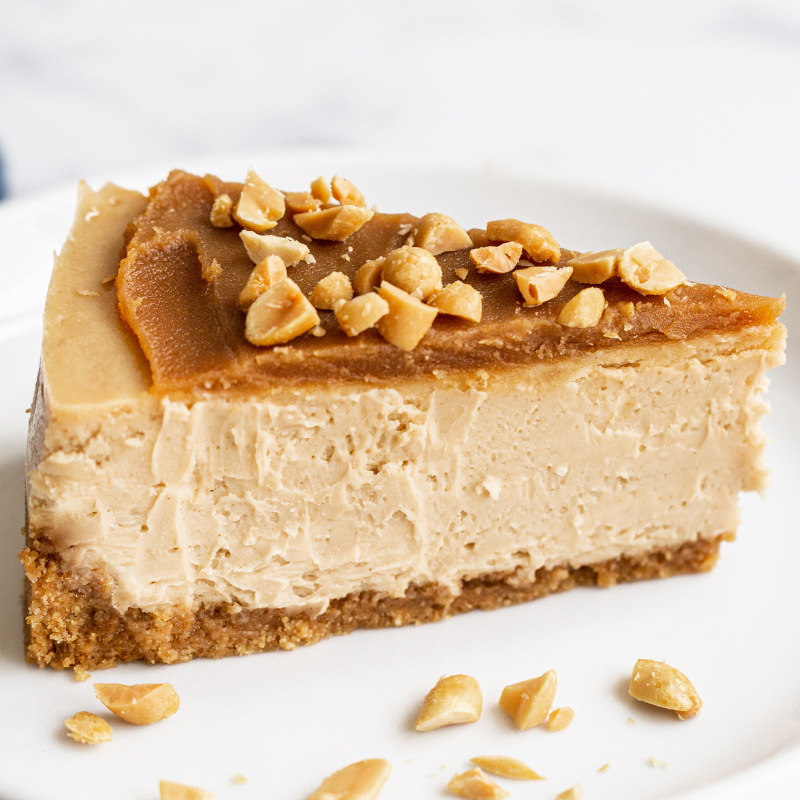
Taste: Absolutely loaded with real peanut flavor to balance the sweet tanginess of the cheesecake.
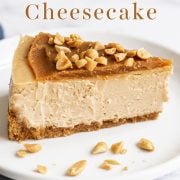
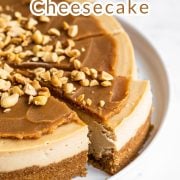
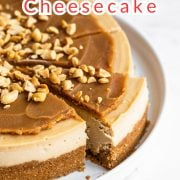
Texture: The crust is crunchy, the filling is velvety smooth, and the peanut butter topping is rich and fudgy.
Ease: A weekend baking project. The water bath and slow cooling are key, but totally doable with the tips below.
What You’ll Love About This Recipe: A peanut butter lover’s dream come tru!
This post may contain affiliate links. Read our disclosure policy.
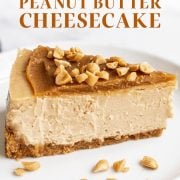
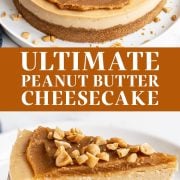
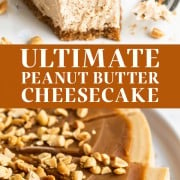
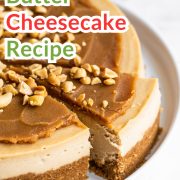
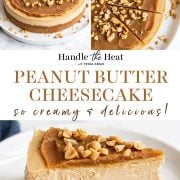
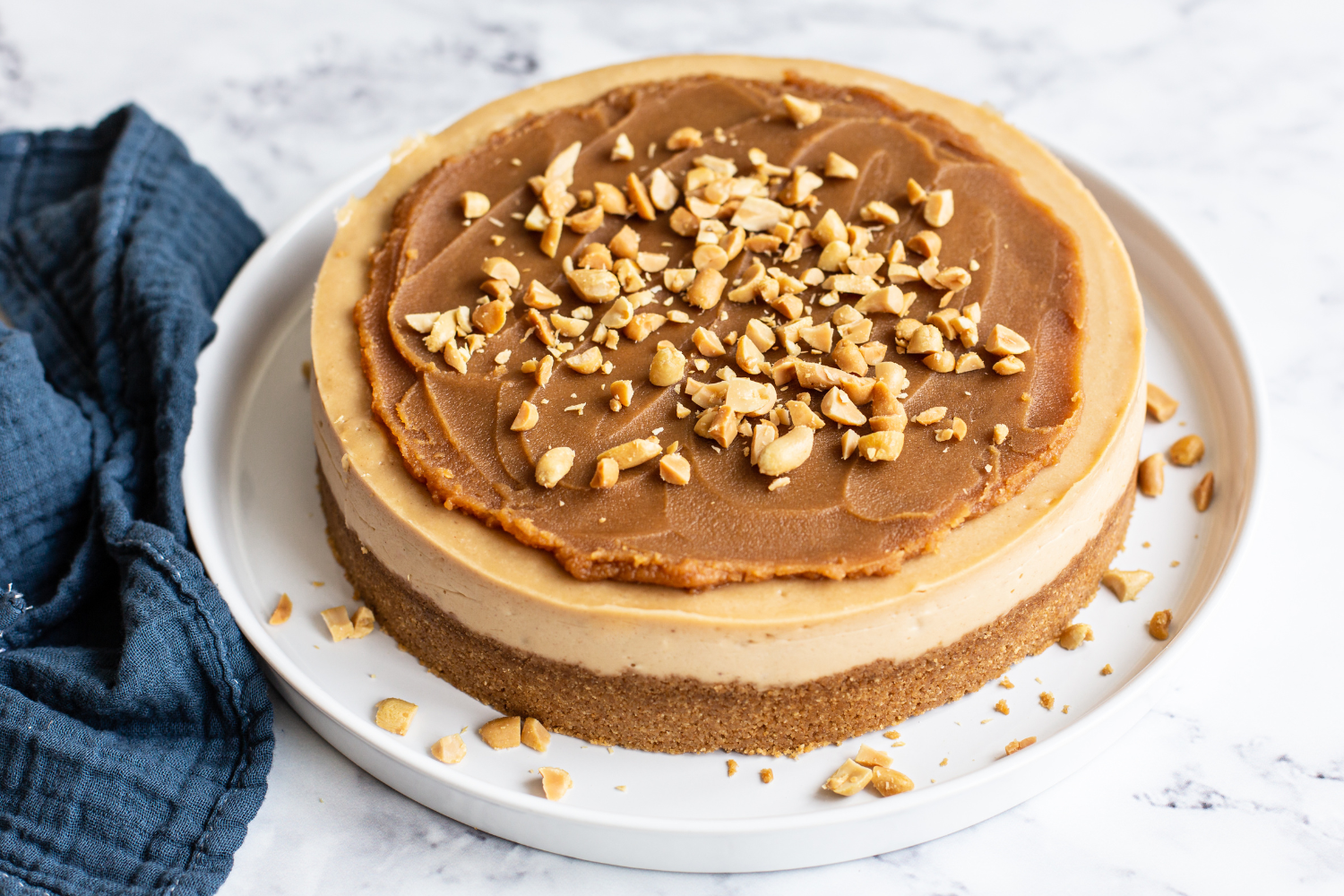
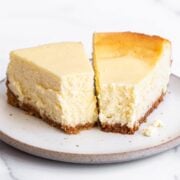
This is truly the Ultimate Peanut Butter Cheesecake. It’s what peanut butter dreams are made of!
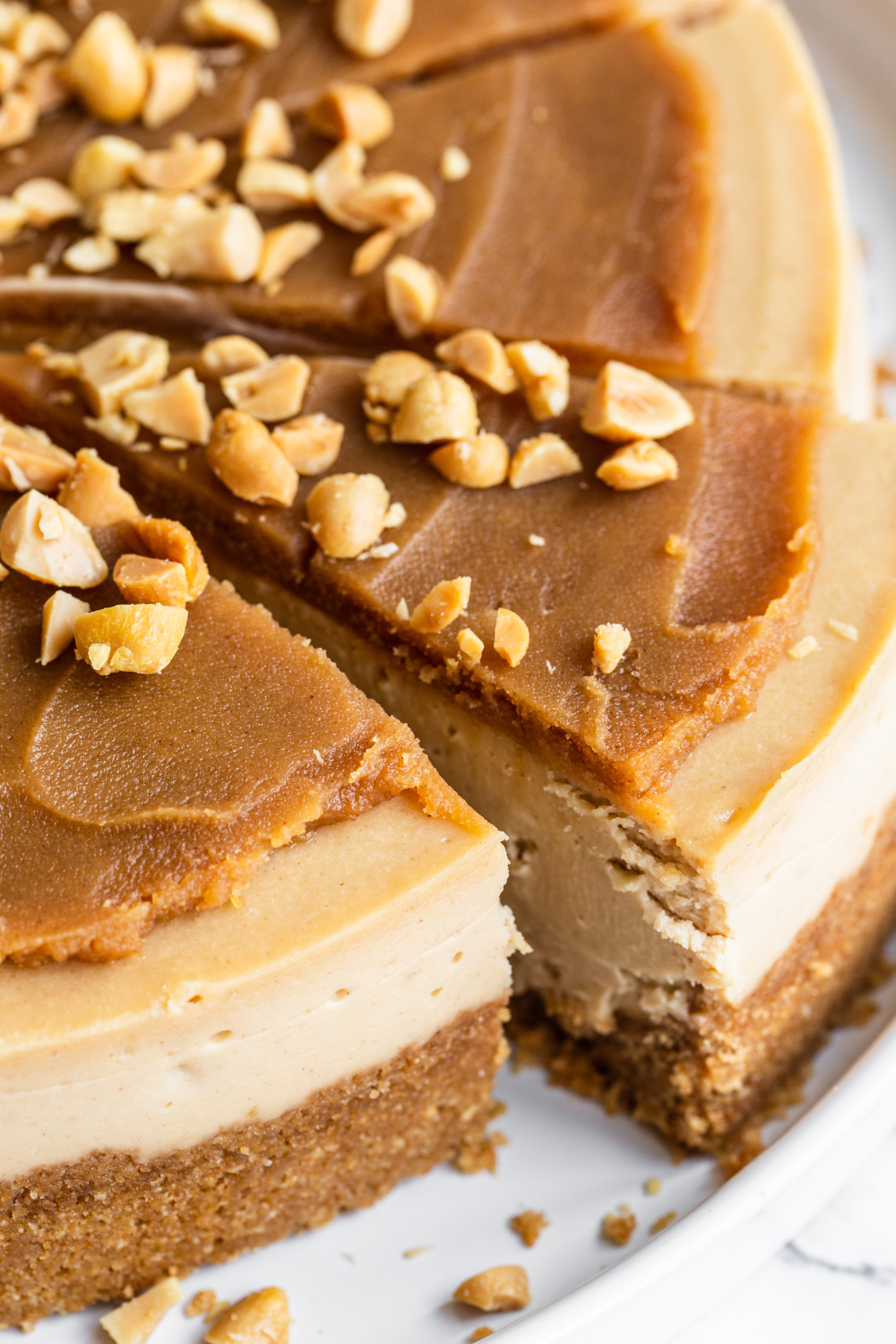
It’s made ahead, serves a crowd, and is perfect for Father’s Day, Thanksgiving, Christmas, or even a fun alternative to birthday cake!
Reader Love
Tessa, I am to the point where I just won’t make a cheesecake recipe that isn’t yours. This peanut butter cheesecake is a dream…total perfection!! Thank you!
–
It does require some patience, as the cheesecake needs to cool slowly and chill completely before serving – but I promise it’s well worth the wait!

Sprinkle of Science
Ingredient Notes:
Cream Cheese
Use brick-style, full-fat cream cheese only. I prefer Philadelphia. Do not use spreadable cream cheese. It must be completely softened to room temperature or you’ll end up with lumps that won’t blend out.
Peanut Butter
Use conventional peanut butter with added oil for easier emulsification. Natural peanut butter can separate and create oily pockets, though it’ll offer more intense peanut butter flavor. If using natural, mix extremely well before measuring.
Sour Cream
Adds tang and smoothness to balance the richness of the peanut butter.
Eggs + Extra Yolk
The additional yolk adds richness and structure. All eggs must be at room temperature to prevent overmixing.
All-Purpose Flour
Helps stabilize the filling so it slices evenly.
Graham Crackers + Peanuts
The roasted peanuts in the crust reinforce peanut flavor and add extra crunch.
Heavy Cream (for topping)
Creates a smooth ganache-style peanut butter topping that sets but remains sliceable.
How to Make Peanut Butter Cheesecake (Step-by-Step):
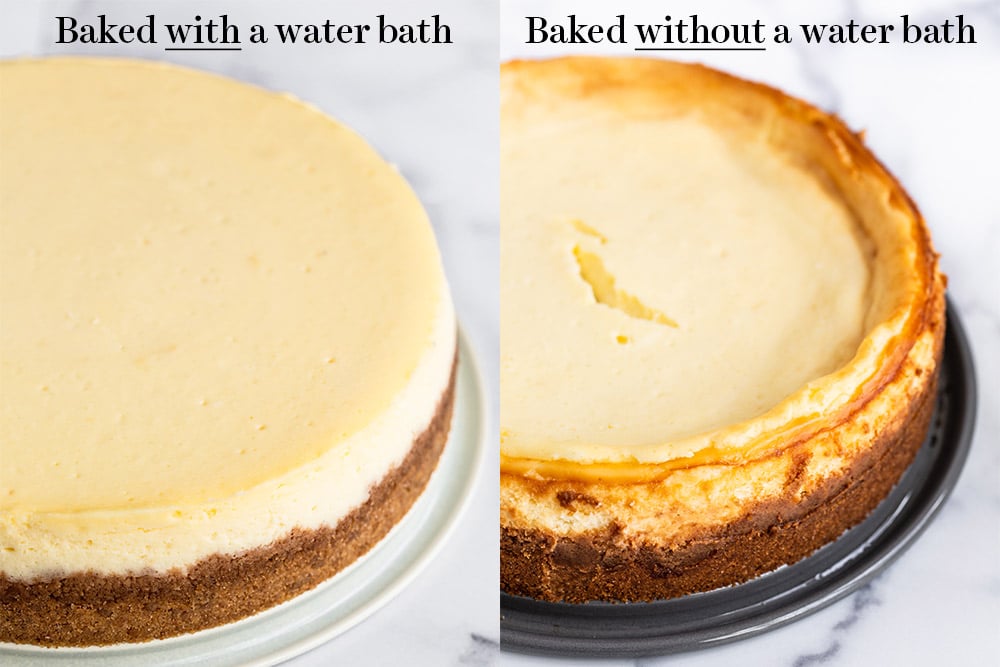
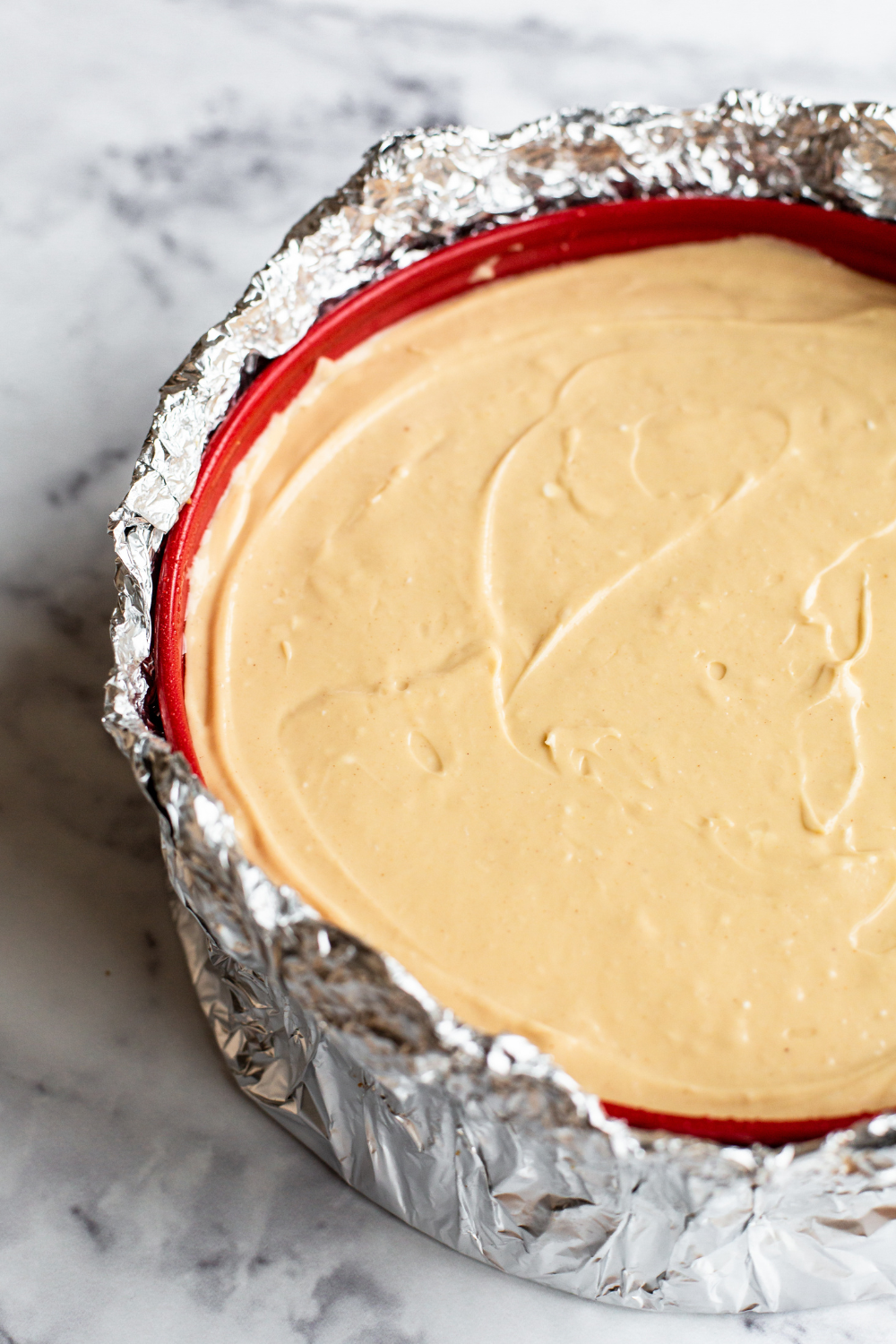
- Prepare the pan for a water bath. This is essential for an ultra smooth, velvety, creamy filling with zero cracks. Wrap a 9-inch springform pan with 3 layers of heavy-duty foil. OR, place the pan in an oven roasting bag to prevent leaks.
- Make the graham cracker crust. Pulse graham crackers, peanuts, sugar, and cinnamon until very finely ground. Add melted butter and pulse until it resembles wet sand.
- Make the filling. Beat the softened cream cheese until completely smooth. Add the peanut butter, sour cream, sugar, and flour and beat until smooth. Scrape down the bowl often. Add the eggs and yolk, one at a time, mixing until just combined. Tap the pan against the counter to remove air bubbles.
- Bake. Place a roasting pan on the middle rack of your oven. Place the cheesecake pan inside. Carefully pour boiling water from a kettle halfway up the sides. Bake at 325°F for about 1 hour. To tell when it’s done:
- The top and edges should look slightly dry.
- The center should wobble slightly.
- The internal temperature should register around 150°F.
- Cool slowly. Turn off the oven and crack open the door 1 inch (use a wooden spoon if needed). Cool inside for 30-60 minutes. Remove from oven. Run a thin knife around the edges to prevent cracks. Cool completely to room tempearture.
- Chill. Refrigerate for at least 6 hours, preferably overnight, to set and develop flavor.
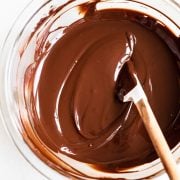
- Make the topping. Prepare a peanut butter ganache by combining hot cream and peanut butter, stirring until smooth. Cool until thickened before pouring over the chilled cheesecake.
How to Prevent Cracks in Cheesecake
1. Avoid overbeating
- You want to beat the cream cheese with the sugar, sour cream, and peanut butter very thoroughly.
- Scrape down the bottom and sides of the bowl often, and beat until totally smooth.
- However, once the eggs are added, ONLY beat until combined, then stop mixing.
2. Avoid overcooking
- The residual heat of the oven will continue to cook the cheesecake even after you’ve turned the heat off.
- Be sure to follow the tips below to know when the cheesecake is done baking.
3. Avoid quick temperature changes
- Quick temperature changes can be caused by opening the oven door too often or cooling the cheesecake down too quickly.
- You want gentle and slow heat. That’s why this recipe cools the cheesecake inside the oven with the door cracked.
- To prevent the cheesecake from cracking as it cools, run a thin knife around the edge of the cake as soon as it comes out of the oven.
- Only after chilling should you remove the springform ring.
Storage & Make Ahead
This cheesecake will keep for 5 days loosely covered in the fridge. Note that the longer it’s stored, the less crunchy the crust will be.
Cheesecake freezes beautifully:
- Place a whole cheesecake or individual slices on a baking sheet inside the freezer until firm.
- Once firm, wrap the cheesecake or each individual slice in plastic wrap and place in a freezer bag.
- Freeze for up to 2 months.
- To serve, defrost a whole cheesecake in the fridge overnight. You can also defrost individual slices in the fridge overnight, or at room temperature for about 30 minutes.
FAQs
How to cut clean cheesecake slices?
If you have the time, let the cheesecake sit at room temperature for 30 minutes before serving, for the best taste and texture.
Open the springform latch and gently remove the sides.
Use a sharp knife to cut slices, running the knife under hot water and carefully wiping the blade dry between each cut, so the slices are clean and pretty.
Slide a pie metal server underneath the graham cracker crust to ensure it doesn’t crumble.
What type of peanut butter is best for baking?
This depends. Natural peanut butter will offer more concentrated flavor, but will only work in baking if it’s very well stirred and smooth. Otherwise, conventional peanut butter with added oil tends to be easier to bake with.
How do you know when cheesecake is done baking?
The cheesecake should look dry on top and slightly wobbly in the center. An instant-read thermometer should register 150°F in the middle.
Can you freeze peanut butter cheesecake?
Yes. Freeze whole or in slices until firm, wrap tightly, and freeze up to 2 months. Defrost overnight in the refrigerator.
Why does my cheesecake have lumps?
Lumps usually mean the cream cheese was too cold or wasn’t beaten smooth before adding other ingredients. Always soften completely to room temperature and beat until completely smooth first.
Ultimate Peanut Butter Cheesecake

Email This Recipe
Enter your email, and we’ll send it to your inbox.
Ingredients
For the crust:
- 15 (230 grams) whole graham crackers
- 1/2 cup (70 grams) lightly salted roasted peanuts
- 1 tablespoon granulated sugar
- 1/4 teaspoon ground cinnamon
- 1 stick (113 grams) unsalted butter, melted
For the filling:
- 32 ounces (907 grams) cream cheese, completely softened to room temperature
- 1 cup (270 grams) conventional creamy peanut butter
- 1/2 cup (113 grams) sour cream, at room temperature
- 1 1/4 cups (250 grams) granulated sugar
- 2 tablespoons all-purpose flour
- 4 large eggs plus 1 egg yolk, at room temperature
For the topping:
- 1/2 cup peanut butter
- 1/2 cup heavy cream
For the water bath:
- Boiling water
Instructions
- Preheat the oven to 325°F.
Prepare the water bath:
- Prepare a 9-inch diameter springform pan with at least a 2 1/2-inch depth for a water bath. Place a large square of heavy-duty aluminum foil underneath the pan. Gently fold the edges up and around the pan. Repeat twice so there are three sheets of foil, to ensure a waterproof seal. Gently fold the top of the foil around the edge of the pan. Alternatively, use a turkey roasting bag to seal the pan from the water bath. Spray the pan with nonstick cooking spray.
Make the crust:
- In the bowl of a food processor, combine the graham crackers, peanuts, sugar, and cinnamon until very finely ground. Add the butter and pulse until the mixture is moistened like wet sand. Press firmly into the bottom and quarter-way up the sides of the prepared pan. Bake for 10 minutes. Place on a wire rack to cool. Maintain oven temperature.
Make the filling:
- In a large bowl, use an electric mixer to beat the cream cheese on medium speed until completely smooth and free of lumps, scraping down the sides and bottom of the bowl and the paddle as needed. Add the peanut butter, sour cream, sugar, and flour and beat until combined. Scrape down the bowl and paddle completely, then blend again until combined and smooth. Add the eggs and yolk, one at a time, and beat until just combined. Be careful not to overmix.
- Pour the batter into the prepared springform pan. It will fill almost completely to the top. Tap the pan against the counter a few times to release any air bubbles in the batter.
- Place the pan in a larger roasting pan. Pour boiling water into the roasting pan until the water is about halfway up the sides of the cheesecake pan. This is usually best done once the pans are already on the oven rack, to avoid spilling boiling water.
- Bake at 325°F for 1 hour, or until the top looks slightly dry and the middle is slightly wobbly. The internal temperature should read 150°F with an instant-read thermometer inserted into the center. Err on the side of underbaking rather than overbaking.
- Turn off the oven heat and open the oven door just by 1-inch. Sticking a wooden spoon in between the oven and the door can help with this. Let the cheesecake cool inside the oven for 30 minutes to 1 hour or until the oven is just warm. This will prevent cracks from forming.
- Remove the cheesecake from the oven and from the water bath, unwrap the foil, and transfer it to a cooling rack. Run a thin-bladed flexible knife around the edge of the cheesecake to make sure it's not sticking to the sides (which can cause cracks as it cools). Let the cheesecake cool completely to room temperature on the rack.
- Refrigerate until completely chilled, at least 6 hours but preferably overnight.
Make the peanut butter topping:
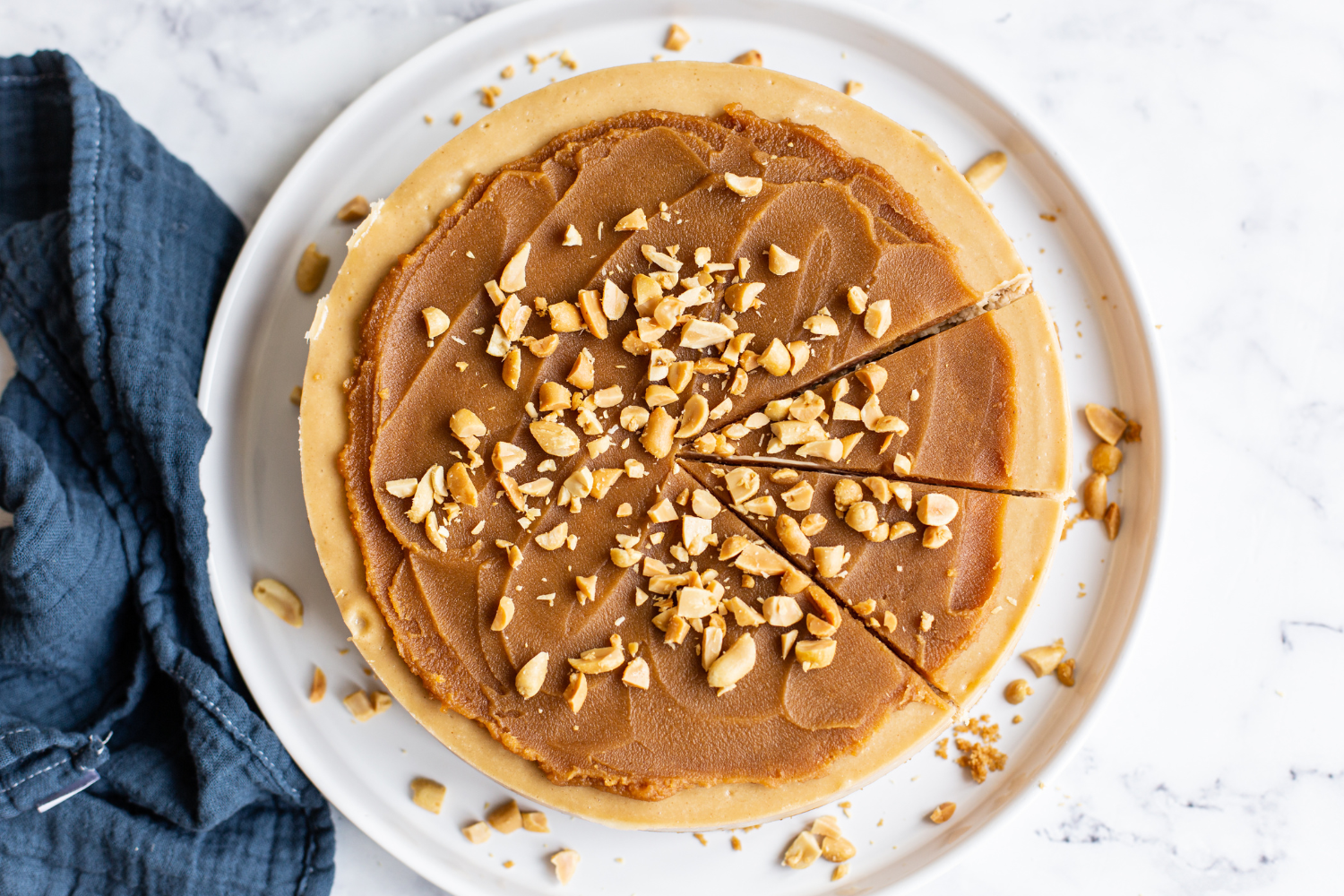
- In a small saucepan, bring the cream to a simmer. Add the peanut butter and stir until it begins to melt. Remove from heat and stir vigorously until smooth. Allow to cool to room temperature. Pour over the chilled cheesecake. Return to fridge for about 15 to 30 minutes to allow topping to set before slicing and serving.
- Store the cheesecake uncovered or very loosely covered to avoid condensation. Store for up to 5 days in the fridge.
More Cheesecake Recipes You’ll Love:
This recipe was originally published in 2020 and has been updated with additional recipe tips. Photos by Ashley McLaughlin.










I’m giving this a 3 star for the taste. Your better off not using a spring form pan due to to complexity of having to foil the pan in addition to using a “baking” oven bag to keep the water from seeping into the cheesecake pan. Anyone that can do this with out burning your self while inserting the cake pan covered with foil and baking wrap into the boiled water in the oven deserves credit. I’m sticking to the Maida Heaters cheesecake recipe. NEVER fails!
Hi Valerie! I’m sorry you didn’t find this cheesecake to be as you had hoped. We find the water bath has so many benefits, as Tessa describes in so much detail in the pink Tip Box above the recipe. Yes, there are extra steps involved, but we believe the additional work is worthwhile for the incredible texture the resulting cheesecake has! If you follow Tessa’s instructions for placing the well-wrapped springform inside a larger roasting pan, and place the pans on the oven rack before pouring in the boiling water, it’s easy to avoid burns. The cheesecake is then cooled inside the oven for 30-60 minutes, allowing enough time to cool to pans and water down enough to avoid burning yourself. However, if you have found another way that gives you perfect cheesecakes with a perfectly creamy consistency and no cracks every time, that’s great! Happy baking 🙂
This recipe came out PERFECT in every way! We get the very large rolls of aluminum foil so one piece more than wraps up each side without the need for multiple pieces. Easy peasy!
Can I sub sour cream for plain Greek yogurt?
We haven’t tried that! Let us know how it goes if you do!
I added Vanilla extract to this, left out sour cream. I also used a pecan and shortbread crust. It turned out perfect.
Could this be converted for the instant pot?
We haven’t tried that!
hi
can i use almond butter or walnut butter instead of peanut butter.
what is the weight of 1/2 cup nut butter
and half cup heavy cream?
We haven’t tried that, so I can’t say for sure how it would turn out!
Hi
could i do the topping with almond butter instead of peanut butter?
We haven’t tried that! Let us know how it goes if you give it a try 🙂
Is this for a deep dish?
Hi Lucia! As stated in the recipe, this cheesecake is made in a 9-inch diameter springform pan with at least a 2 1/2-inch depth. The pan we used is linked in the directions of this recipe. Hope that helps!
If you are obsessed with PB like I am – run to make this recipe! It is soooo good and full of Peanut Butter flavor! I made this without the additional PB topping and it was still so good.
I’m so happy to hear this!
Hi, can i add pistachio paste instead of peanut butter to make pistachio cheesecake.
I haven’t tried that, so I can’t say for sure that it would turn out. I’d recommend instead searching for a pistachio cheesecake recipe online.
Can I use biscoff instead of peanut butter?
I haven’t tested that personally, but I think it would work!
Amazing recipe! This was my first time making a cheesecake so I was a tad nervous and preparing for the worst. But thanks to all of Tessa’s tips and detailed instructions, it went beautifully!! I’m not typically a huge fan of cheesecake, but this recipe has converted me! Will definitely be making this again
This makes me so happy! I love when you guys try a new recipe out for the first time. Thrilled this recipe was enjoyed!
what a fun cheesecake, great alt flavors for me, thank you!
So glad you enjoyed this cheesecake, Sabrina!