





Tessa's Recipe Rundown
Taste: Buttery and slightly sweet, just like store-bought Hawaiian Rolls – but better!
Texture: Light, squishy, and SO fluffy.
Ease: Great recipe for bread beginners.
Why You’ll Love This Recipe: Perfect for cookouts, Easter, Thanksgiving, or anytime you crave fluffy, delicious rolls!
This post may contain affiliate links. Read our disclosure policy.
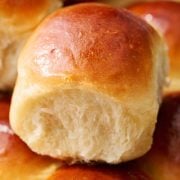
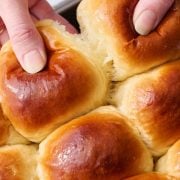
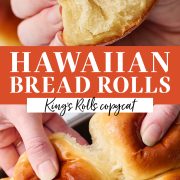
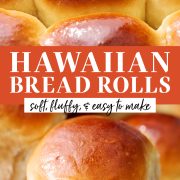


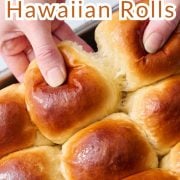
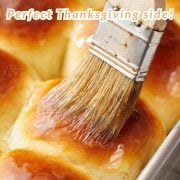

This Homemade Hawaiian Roll recipe was a true labor of love to get just right. The store-bought ones have quite a few ingredients not available in the home kitchen, so it took a LOT of testing.
At first, the rolls weren’t fluffy enough. So we made a bunch of tweaks to get the texture to match the store-bought kind. Then they weren’t sweet enough. 15 batches later (yes, 15!), we finally nailed it.
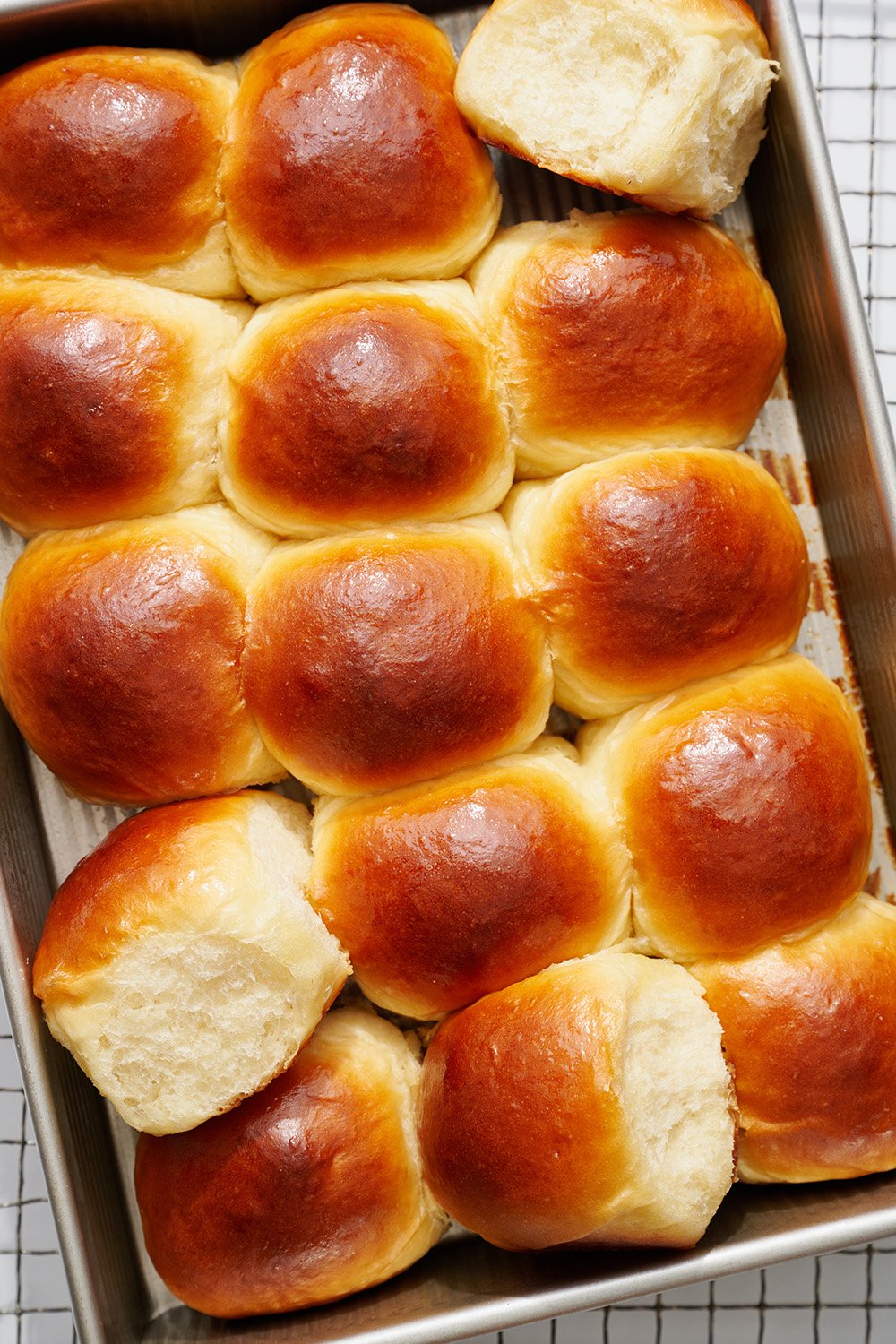
It took over a year to get this copycat recipe perfected. Luckily, we didn’t mind testing these rolls so many times because they’re THAT good.
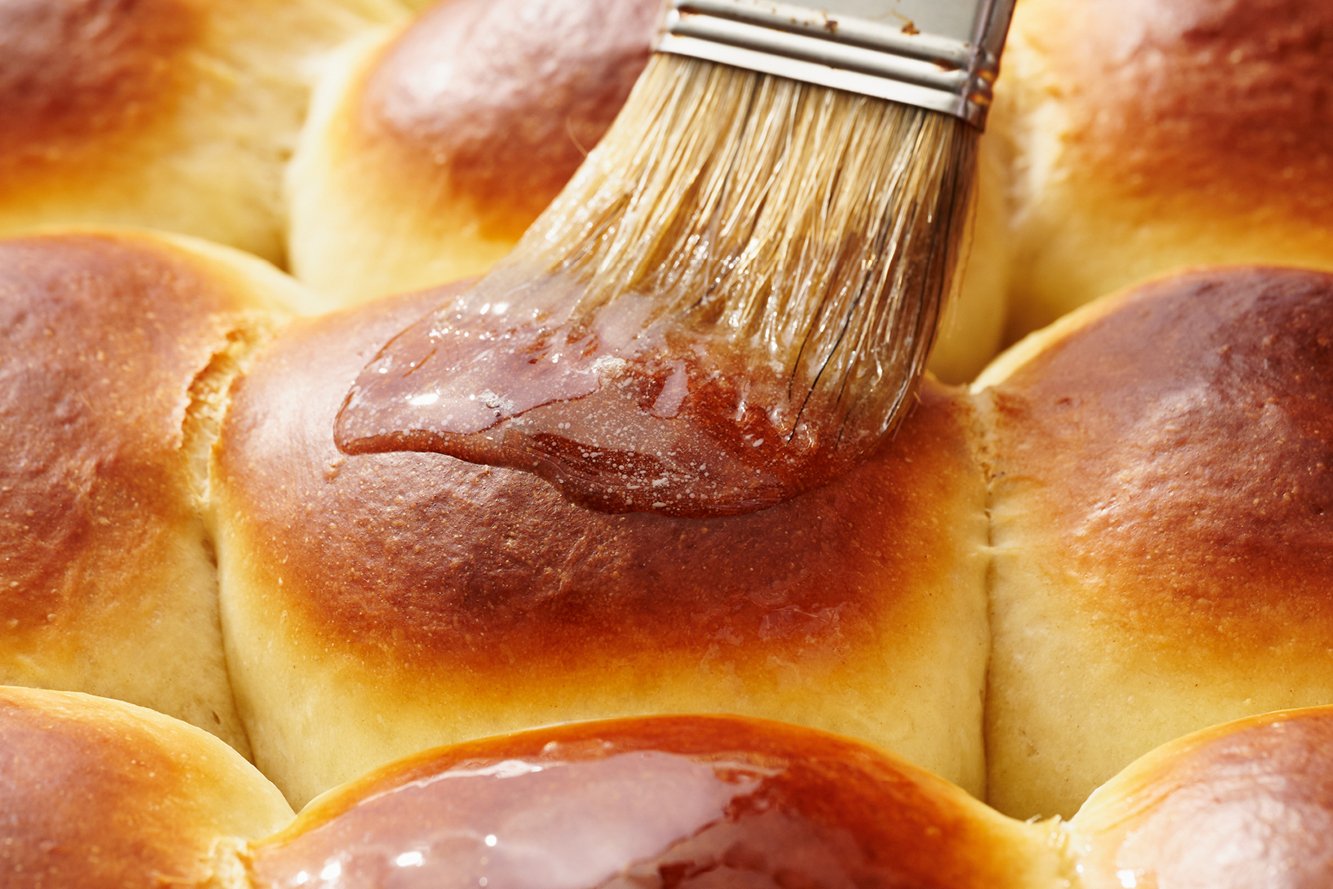
These Homemade Hawaiian Rolls are so versatile. They’re perfect as a side with dinner or as the main course (think ham and cheese sliders!). Take them as a side to a barbecue or cookout. Serve for Thanksgiving or Easter.
And bonus: the scent that will waft through your house as these bake is utterly intoxicating.
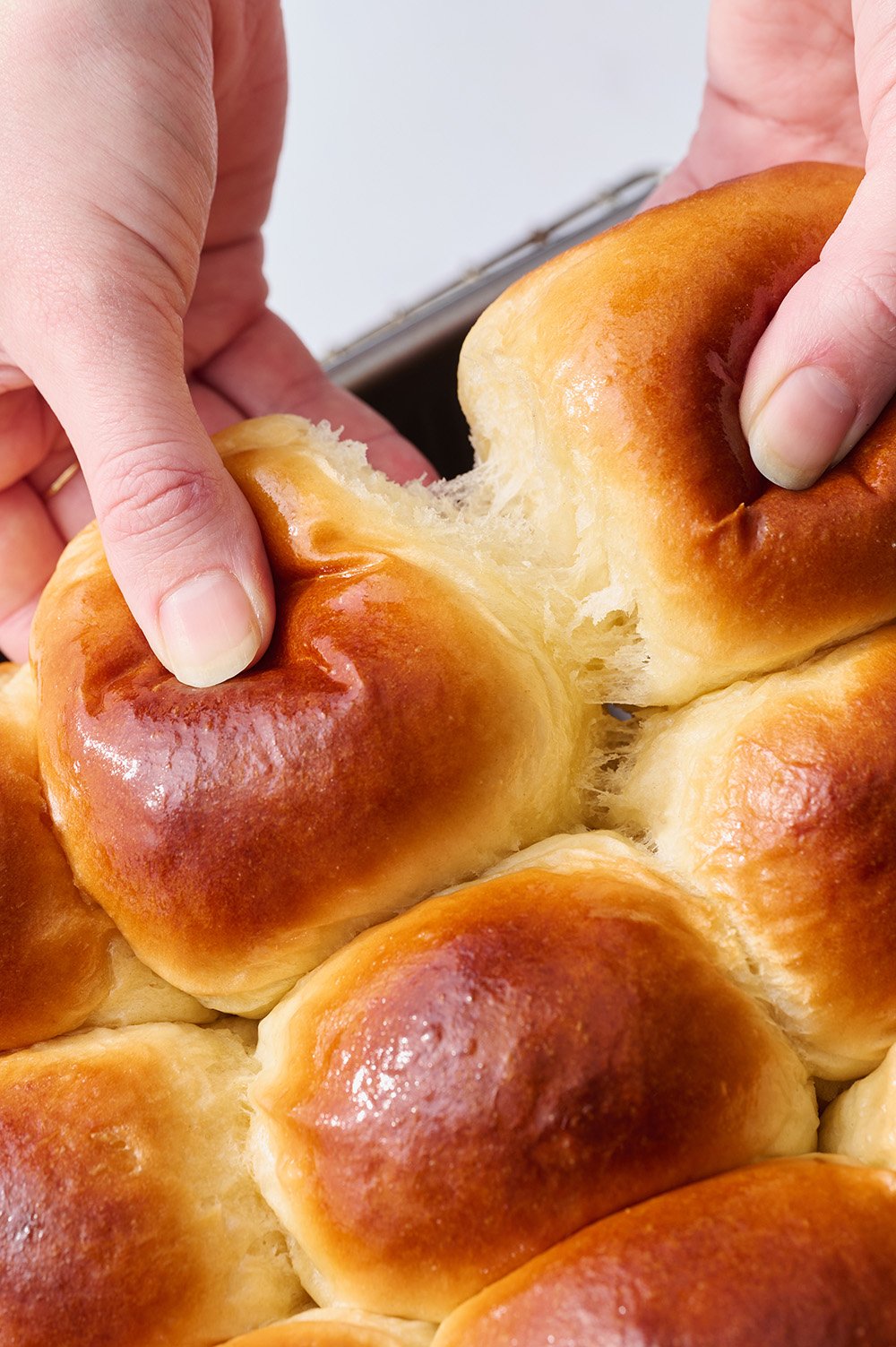
These Hawaiian Rolls are so much better than the prepackaged versions. You’ll never want to buy store-bought again after trying these!
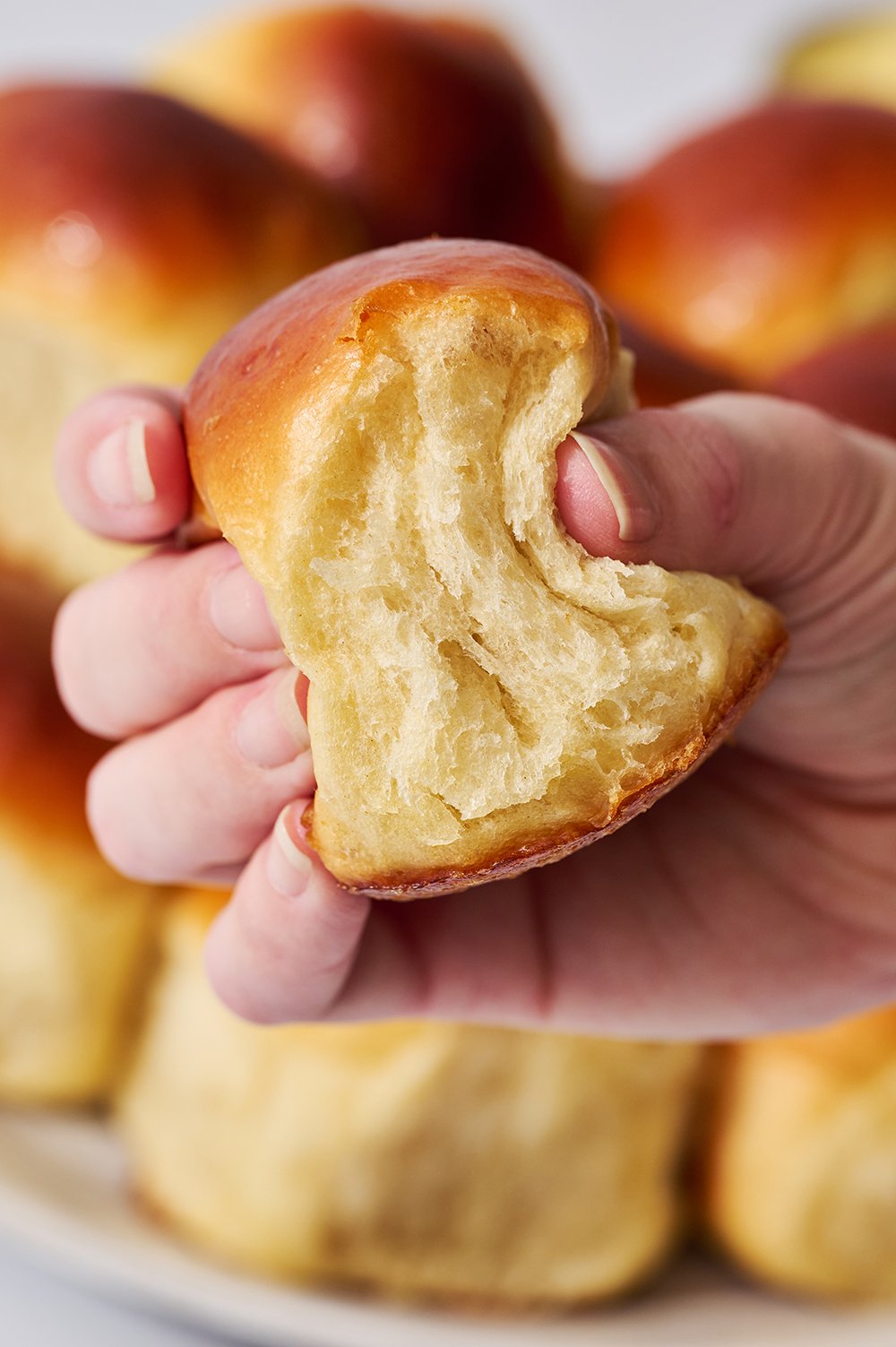
If working with yeast feels a little intimidating, don’t fret. I’ve included a ton of tips and tricks below so even newbie bread bakers can nail this recipe.
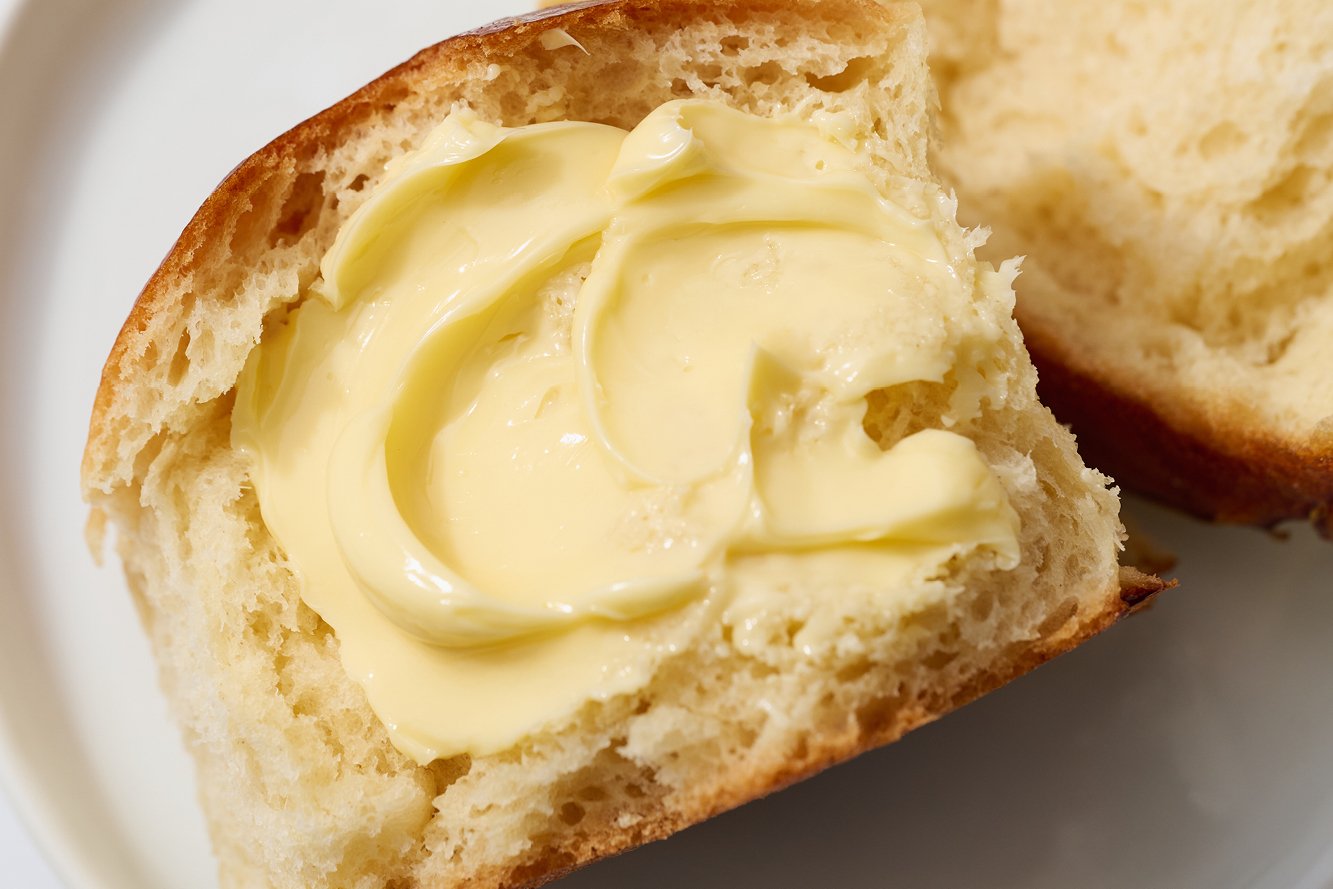

Sprinkle of Science
How To Make FLUFFY Hawaiian Rolls
Avoid adding too much extra flour to the dough
Since this dough is slightly sticky and enriched with milk, butter, and a lot of sugar, it takes quite a while to come together. These ingredients slow down gluten development.
Your instinct might be to add extra flour; however, any extra flour will create a denser, tougher bun instead of the light, fluffy bun we want.
If your kitchen is humid, add more flour, 1-2 tablespoons at a time
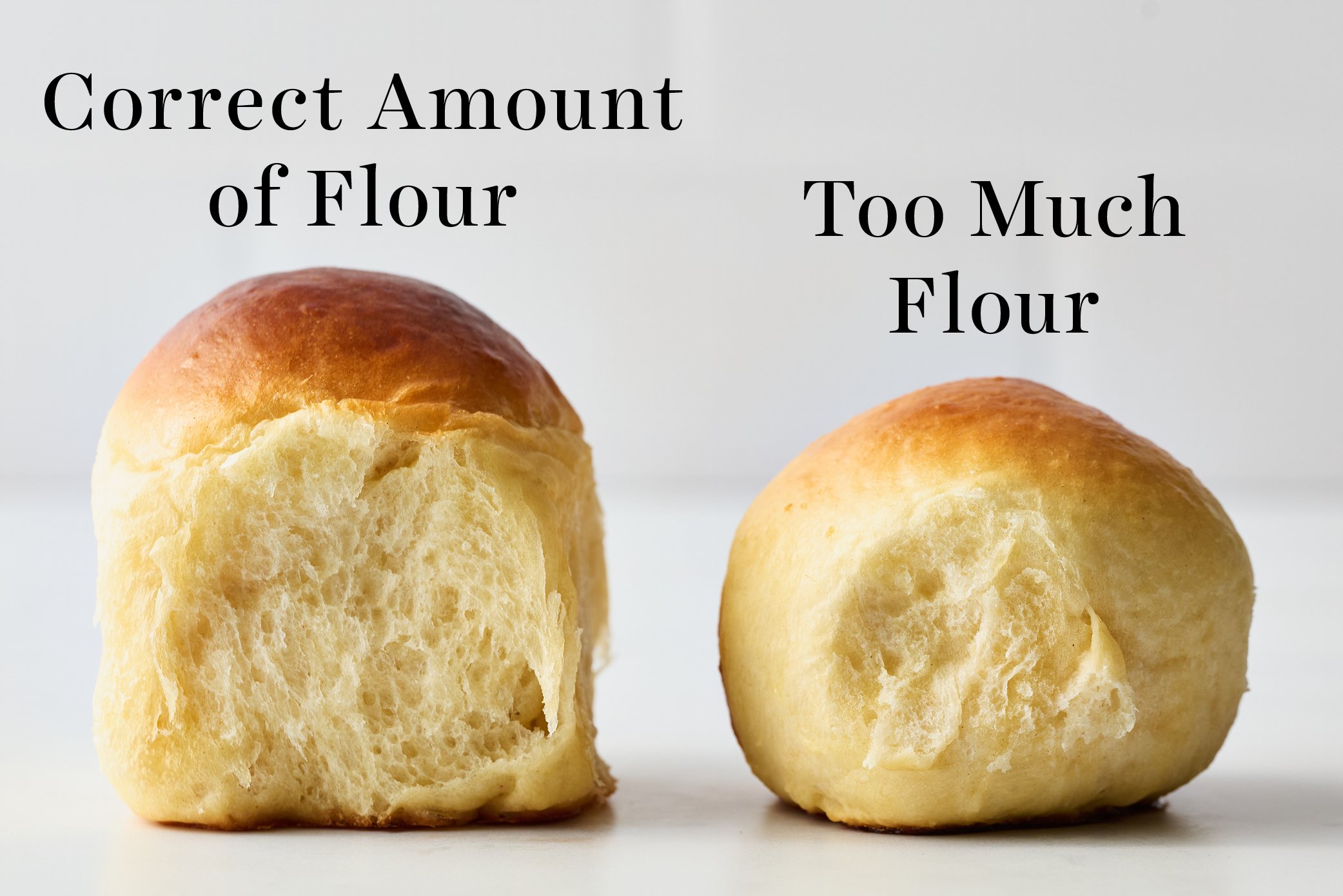
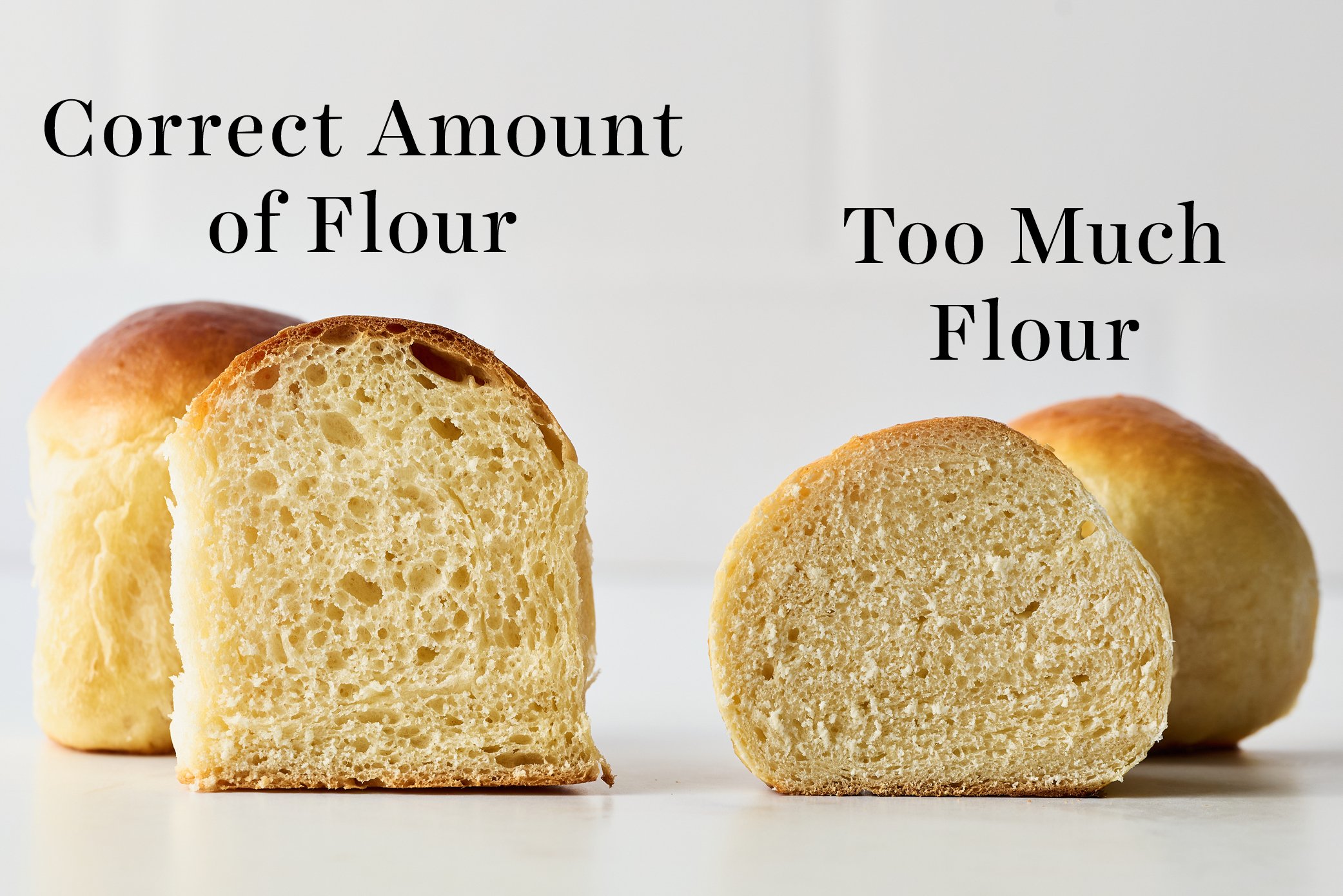
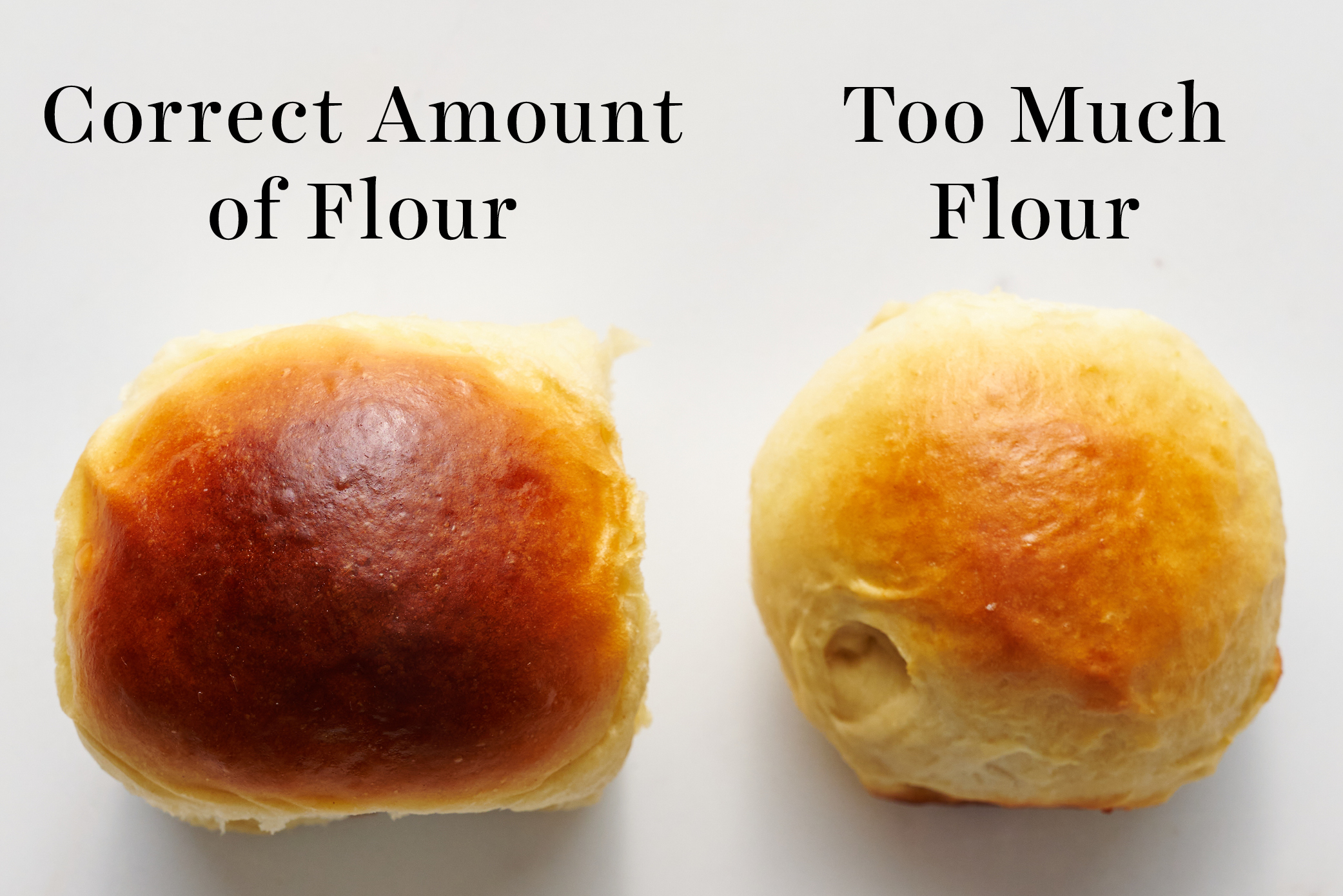
It’s better to be slightly sticky than dense
This dough shouldn’t be unbearably sticky, but it will be tacky. Resist the urge to add extra flour, as this will negatively impact the texture of the rolls. The dough will be easier to work with after the first rise!
Proofing Homemade Hawaiian Rolls Sliders
This dough will take some time to proof, especially if your kitchen is cold. The sugars, pineapple juice, eggs, and butter in this recipe add deliciousness but also slow the proofing process.
The first rise will take about 90 minutes, and the second rise will take about 1 hour; however, these times are completely influenced by the temperature of the rising environment.
You can tell if your bread is well-proofed by giving it a gentle poke with your finger or knuckle. Bread dough that has proofed well will spring back slowly when poked and leave an indent. If it snaps back too quickly, it needs more time.
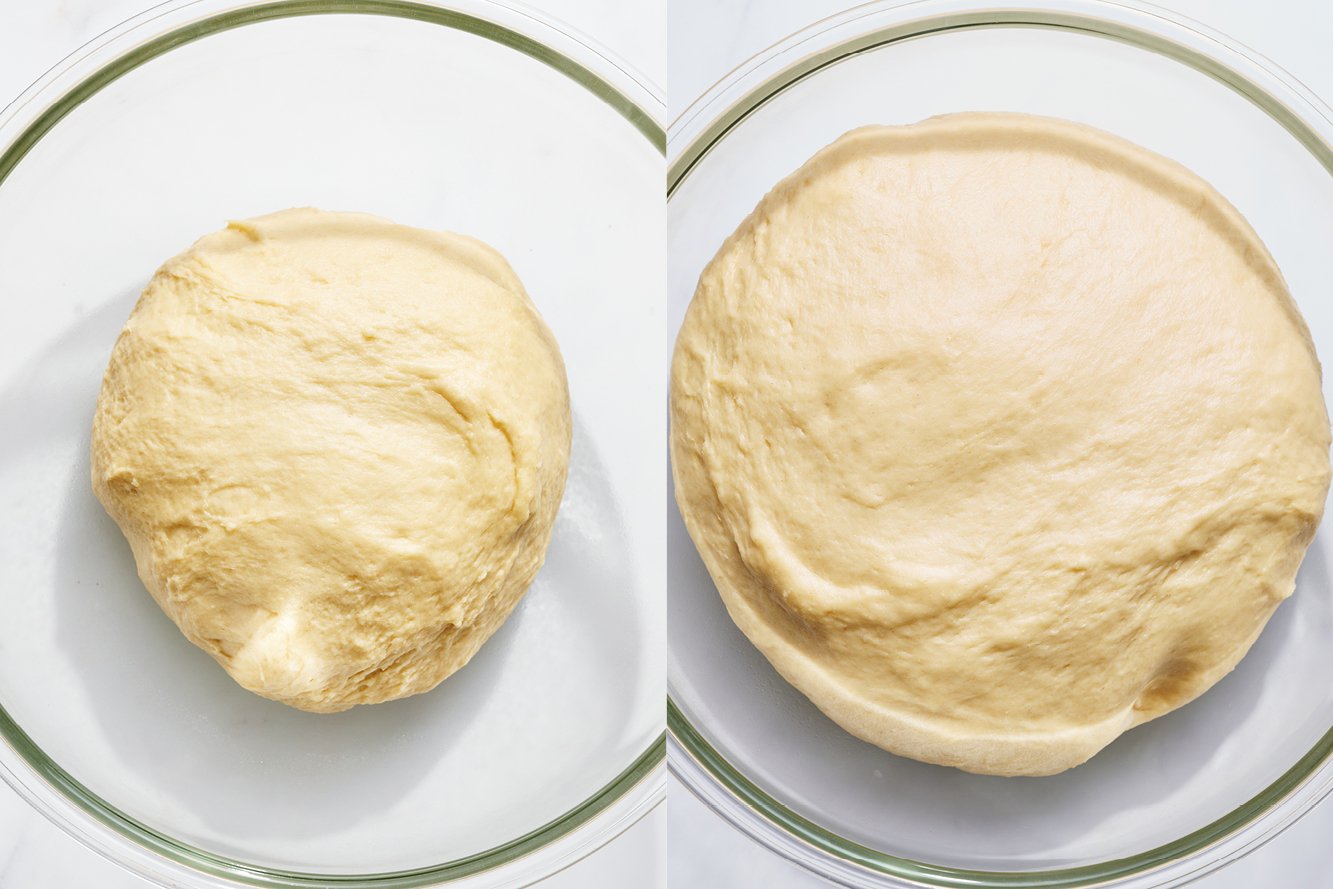
How To Tell If You Have Over-Proofed Your Rolls
This can happen easily if your kitchen is very hot, or if you’re busy and forget to check on the rolls. If your rolls have over-proofed, they will likely deflate while egg washing, or look flat and deflated once baking. Over-proofed rolls may look a little sad, but they should still taste fine.
How to Shape Hawaiian Rolls
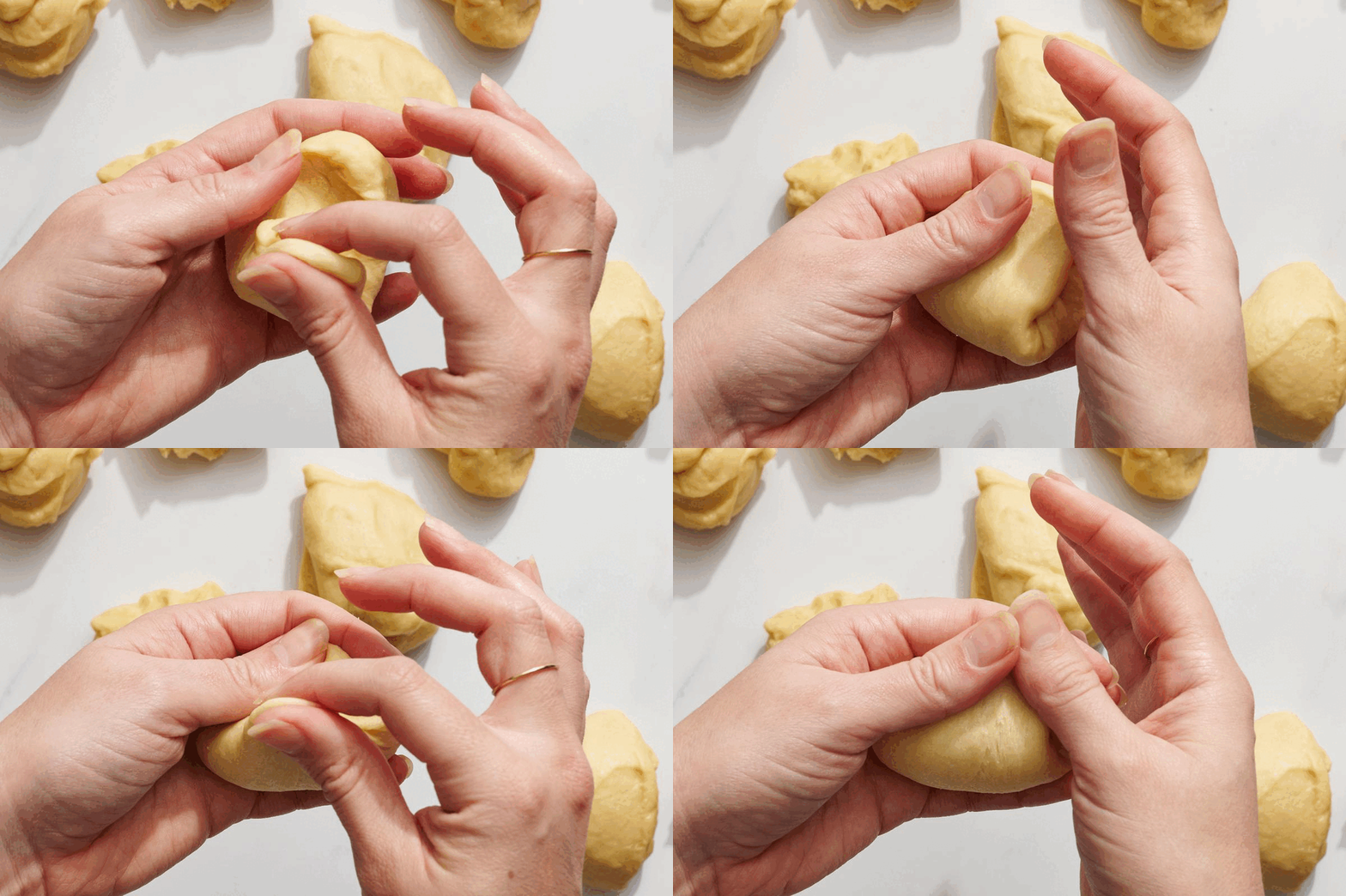
It’s important to properly shape your bread rolls for beautiful, tall, fluffy rolls.
- Once the dough has risen, press it down to deflate it slightly.
- Place the dough on a clean surface (not a floured surface). Use a bench scraper to section the dough into 15 equal pieces. Don’t worry if they’re not perfectly equal in size. However, if you’re a perfectionist, you can weigh the entire mass of dough, divide that number by 15, then portion each piece perfectly by weight.
- As you’re shaping each piece into a round, make sure to pinch the dough into one central point to create a tight ball. This will help the rolls rise beautifully. Don’t flour your work surface when shaping the rolls because you want some resistance to roll them into taut balls.
The Best Pan for Baking Rolls
- This is my favorite pan for baking Homemade Hawaiian slider rolls, but any light-colored metal pan will work just fine.
- Avoid dark-colored metal pans, as these can cause excessive browning and dry out the edges.
- If using a glass or ceramic baking pan, you may need to extend the baking time. Learn more about baking in Glass vs. Metal Pans here.
Do I Have to Use Bread Flour? Can I Use Just All-Purpose Flour Instead?
For best results, I firmly recommend sticking with both bread and all-purpose flour as written.
Using only all-purpose flour, the rolls I tested were way too dense, noticeably drier, and took significantly longer to knead and rise.
I also found that making the rolls with only bread flour yielded rolls that were too firm. The addition of a little all-purpose flour balances this out, making the rolls softer.
If you absolutely must use only all-purpose flour, just note that they’ll take much longer to knead, longer to proof, and they won’t be as soft and fluffy.
Storage & Make Ahead
These rolls will keep for 3 days in an airtight container, stored at room temperature. Refresh in a 300°F oven for 5 minutes, or pop in the microwave for 15-20 seconds, or until warm, before serving.
Enriched yeast doughs can have issues rising properly if made ahead. Instead, I recommend freezing the fully baked rolls as directed just below, as these rolls freeze beautifully.
Freezing
Once cooled, place rolls inside an airtight container and freeze for up to 3 months. To thaw, leave at room temperature for a few hours. Reheat in a 400°F oven for 5-10 minutes, or pop in the microwave for 15-20 seconds, until warmed through, if desired.
FAQs
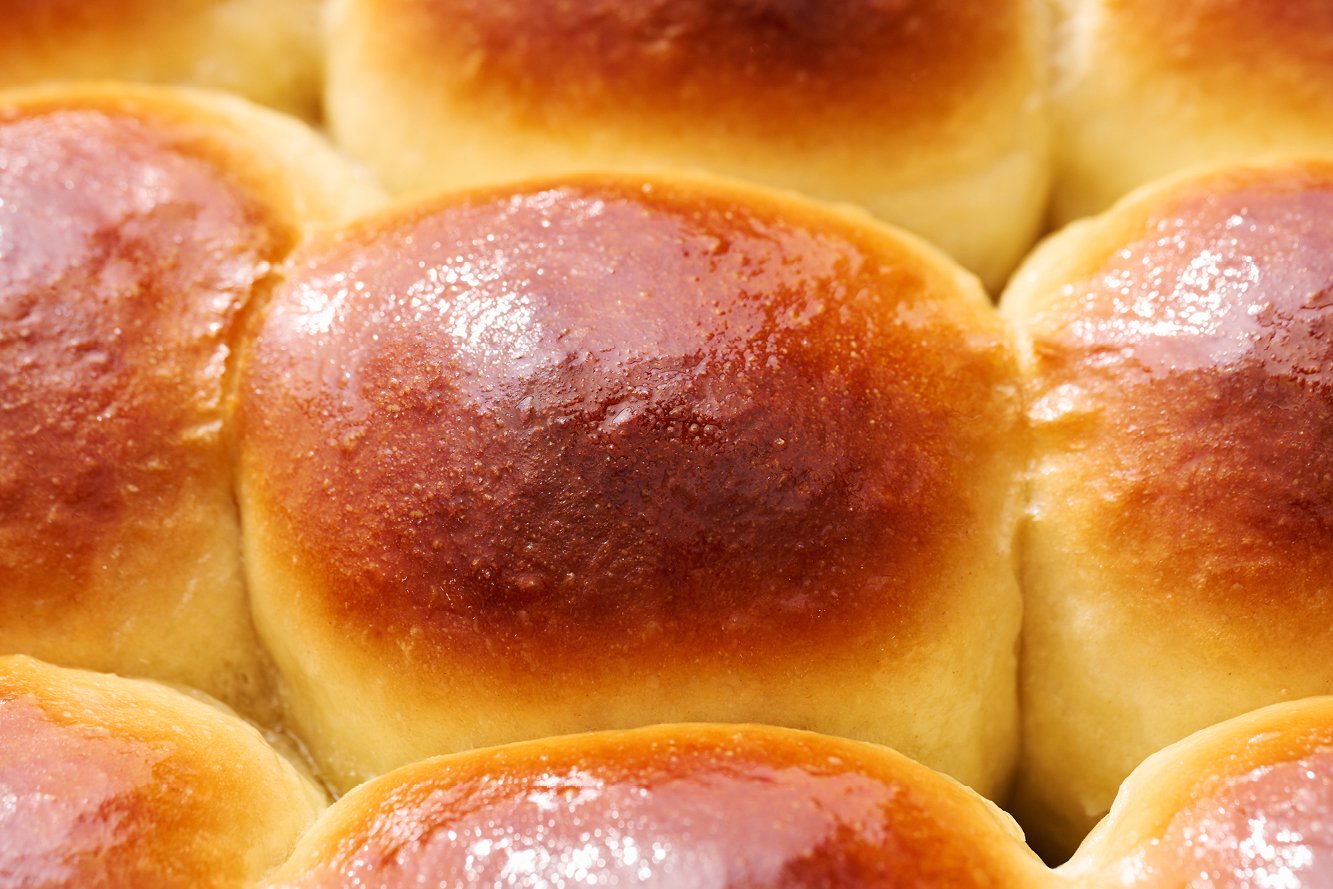
You may have seen Hawaiian Rolls at your local supermarket – but these homemade versions are SO much better! Hawaiian Rolls are distinctly sweet and ridiculously soft and light, perfect for making delicious mini sandwiches, breakfast sandwiches, sliders, and more. Your kids will go crazy for these rolls, too!
Probably… but it won’t be easy! Your KitchenAid stand mixer does all the hard work in kneading these Homemade Hawaiian Rolls. By hand, it’s going to take a lot of elbow grease, a long time, and give your arms and hands a heck of a workout. Learn how to knead dough by hand here.
These rolls are subtly sweet, but please don’t experiment with reducing the sugar (we’ve tested it!). It’s an essential part of this copycat recipe. The texture will dramatically worsen with a reduction in the sugar. Learn more about sugar’s role in baking here.
If you prefer a less sweet roll, try my Ultimate Dinner Rolls recipe instead.

Email This Recipe
Enter your email, and we’ll send it to your inbox.
Ingredients
- ½ cup (116 grams) canned pineapple juice1, at room temperature (do not use fresh juice, see notes)
- ½ cup (116 grams) whole milk, warmed, (100-110°F)
- 5 tablespoons (71 grams) unsalted butter, melted and slightly cooled to just warm (~85°F)
- 6 tablespoons (75 grams) granulated sugar
- 2 tablespoons (25 grams) light brown sugar
- 2 eggs, at room temperature
- 1 teaspoon vanilla extract
- 2 ¼ teaspoons (1 packet)
instant yeast2 - 4 cups + 1 tablespoon (516 grams) – 4 1/4 cups (540 grams) bread flour3, dependent on kitchen climate, see notes
- ¼ cup (32 grams) all-purpose flour
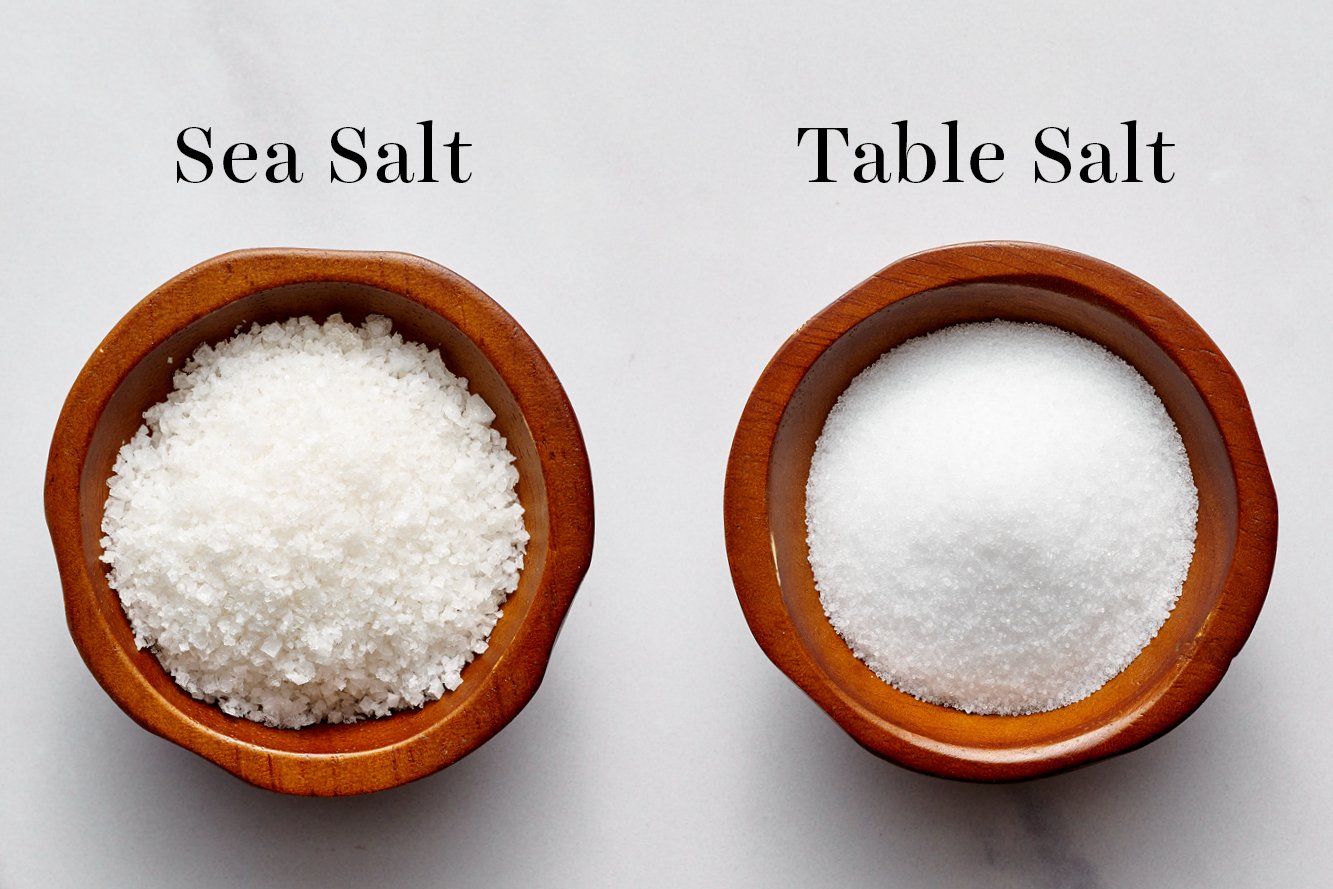
- 1 ½ teaspoons fine sea salt
For egg wash & finishing:
- 1 egg, lightly beaten
- 2 tablespoons water
- 1 tablespoon (14 grams) salted butter, melted
Instructions
- Combine the pineapple juice, milk, melted butter, sugars, 2 eggs, vanilla, and yeast in the bowl of a stand mixer. Add the all-purpose flour, plus 2 cups (286 grams) of the bread flour, and stir with a wooden spoon until the dough forms a rough, shaggy mass. Stir in the salt. Attach the dough hook to the mixer and turn to medium-low speed. Gradually add the remaining flour JUST until the dough comes together. You may only need some of the flour, depending on your kitchen environment and brand of flour. Continue kneading on medium-high speed for 4 to 5 minutes, until a soft and smooth ball of dough forms.
- Lightly grease or wet your hands and place the dough in a lightly greased medium-sized bowl. Cover with plastic wrap. Let rise until puffy and doubled in size, about 1 ½ hours4.
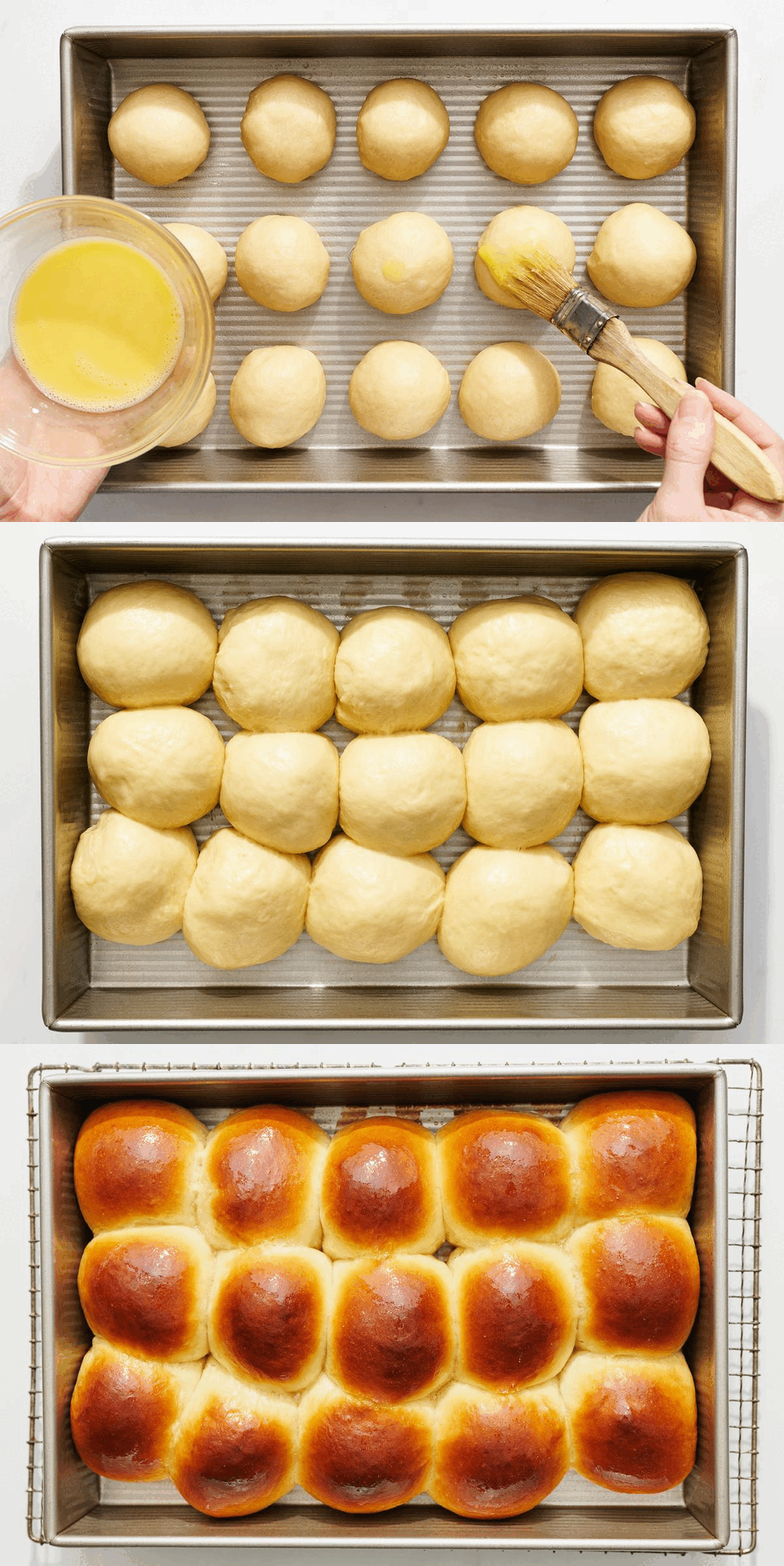
- Spray a 9×13-inch metal baking pan with cooking spray. Gently deflate the dough. Use a bench scraper or knife to divide the dough into 15 equal pieces. Shape each piece into a ball and place in the prepared pan.
- In a small bowl, combine the remaining egg with 2 tablespoons of water. Brush all over the rolls. Cover with plastic wrap and let rise again until doubled in size, about 1 hour**.
- Meanwhile, preheat the oven to 375°F.
- Bake the rolls for 20 minutes, or until golden brown. Brush with melted butter. Serve warm. Store leftovers in an airtight container for up to 3 days.
Notes
More Bread Recipes You’ll Love:
- Ultimate Dinner Rolls (if you prefer a less sweet roll)
- Garlic Knot Rolls (drenched in garlic butter!)
- Copycat Olive Garden Breadsticks
- Burger Buns
- Focaccia Bread
- Pretzel Buns
- Salted Honey Butter Rolls
This post was originally published in 2014 and has been updated with additional tips, recipe improvements, and new photos. Photos by Joanie Simon.


I made these without looking at comments. I didn’t know my Dole Tidbits were a problem. I also didn’t have instant/active yeast. Only regular yeast. With all that said I did let them take the time to proof. I let my first rise/proof go that 1.5 hours plus another 45 minutes. I made 16 rolls from the dough. I let them proof/rise another 2.5 hours. They were perfect. I baked them for 18 minutes. Thank you for a great recipe!! Oh and I used 4 cups pluses 3 tablespoons of flour to get a perfect dough ball.
These were a no for me. I made exactly as written and they came out super dense. Almost biscuit like. I feel as though all the sugar negatively impacted the yeast production as they certainly didn’t rise properly either.
I am a notoriously bad roll baker. But this recipe saved my reputation. It worked out beautifully. Super rise, and super tasty! Thank you for sharing and giving all the tips for a successful bake!
Yay! So happy your rolls turned our perfectly, Kelly!
I followed this recipe precisely, waited hours, and it wouldn’t rise at all, not even slightly. Would love to know if anyone has any thoughts as to what could have gone wrong. It is extremely frustrating to have such abysmal results when I measured each ingredient correctly, made sure temperatures were all in the correct range, and followed every step and every tip to a T. I bake breads regularly (yeast, sourdough, and quick breads), usually with much better results. Very disappointed and won’t use any more recipes from this website.
Ive used this recipe twice and it’s worked both times, is there anything you think you could have been off with?
Upon further reflection, I suspect my yeast may have been killed by osmotic pressure from the excessive sugar concentration. It wasn’t killed by heat, because I was careful of that. The recipe says to combine the canned pineapple juice, milk, melted butter, sugars, eggs, vanilla, and yeast, presumably in one bowl, in that order, mixing between each addition, which is what I did. In total, it has a whopping half cup (8 tbsp) sugar, plus the sugar in the pineapple juice (which is also acidic which can kill yeast too). There’s also a lot of fat, which means less water to dissolve the sugar & yeast. This could have caused the yeast to be killed through dehydration, since it can’t live in such a hypertonic environment. I wonder if perhaps those who had better results activated their yeast with just the milk, and combined the ingredients in a different order, contrary to the recipe’s instructions.
Check your pineapple juice. It cannot have Citric Acid in it, or it will kill the yeast. Ascorbic Acid is typically okay however.
I myself made this mistake by using the leftover juice from Dole canned pineapple chunks, which have Citric Acid, while Dole canned pineapple juice alone only has Ascorbic Acid.
I’m so sorry this was such a frustrating experience. When dough doesn’t rise at all, it’s almost always related to yeast activity rather than measuring or technique.
With enriched doughs like this one, ingredients like sugar, butter, milk, and pineapple juice can slow yeast significantly, so the yeast has to be fresh and active. Since your dough didn’t rise at all, I’d start there first! Learn how to check if your yeast is fresh here. Using anything other than canned pineapple juice can also prevent the dough from rising, even if temperatures and steps are followed closely (see recipe notes). Cooler kitchen conditions can also drastically slow enriched doughs.
Hopefully this helps clarify what might have gone wrong. We’d love for you to give these rolls another try, I promise they’re worth it!
Just saw your above reply to Dannette! I wanted to add that our team tested this recipe over 15 times, combining all the ingredients at once exactly as written, and we never had an issue with the dough not rising. So I don’t think that’s the problem. I also forgot to mention that if you used active-dry yeast, it can extend the rise time by 20%, so that could be a factor. It’s possible a few things combined to affect your dough, but my first thought is still to check your yeast’s freshness.
I’m if almond milk would work also
I’m assuming I could but I’m just asking I could put this in bread pan too, right
And I don’t have a stand mixer, but I do have a handheld that should work too right thank you
Hi there! For the best results, we recommend using whole milk. We haven’t tested this recipe with almond milk, so we can’t say for sure how it would turn out. You could also try baking the rolls in a bread pan, but we haven’t tried it ourselves.
If you don’t have a stand mixer, kneading by hand works well. It will take some elbow grease and time, but it’s totally doable! Most hand mixers aren’t strong enough for bread dough and can burn out the motor. Here’s a handy guide on how to knead dough by hand.
Easy recipe and great for my Hawaii roll loving 5 y/o! I happened to have a can of pineapple juice but no bread flour only AP. I knew the notes said texture would not be right, but I gave it a whirl anyways.
First rise I gave it over 2 hrs and didn’t look like much happened (in oven on proof setting ). Rolls did noticeably rise after I shaped them. They baked up great and had the signature sweet flavor. Will be making these again!