





Tessa Arias, Chef and Cookbook Author
This post may contain affiliate links. Read our disclosure policy.
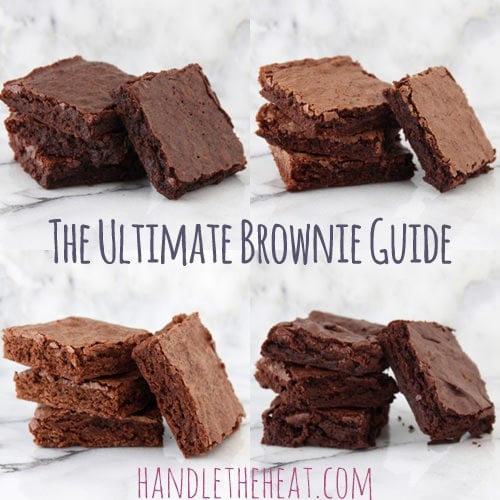
If you’re a frequent Handle the Heat reader you probably remember my Ultimate Guide to Chocolate Chip Cookie post, and part 2, and part 3. Those posts were so fun and popular that I’ve created even more Ultimate Guide posts that deconstruct the ingredients and techniques from your favorite recipes and foods so we can all learn why and how things happen in the kitchen.
Brownies come in many forms but they deservedly require their own category in the world of desserts because they aren’t quite cakes, cookies, or fudge. Yet, brownies are often described as being cakey, chewy, or fudgy. What makes for the perfect brownie is a matter of personal preference and with the thousands of brownie recipes that exist, it can be hard to find your version of the perfect brownie.
With the earliest published brownie recipes spanning back to the early 1900s, it’s no surprise that there are countless variations to this delightful treat. Whether they are made from a box or from scratch, whether they have nuts, chocolate chips, or frosting, or whether they are cakey, chewy, or fudgy, the recipe options are endless.
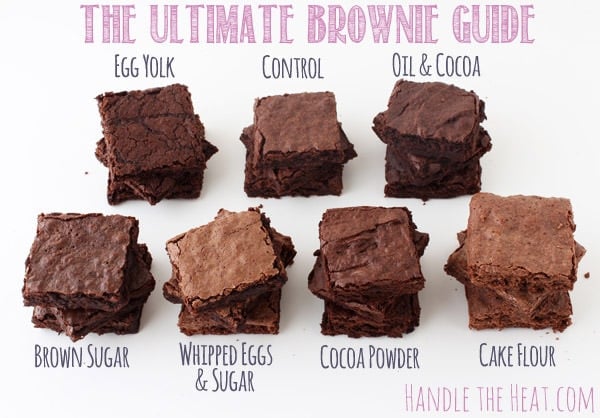
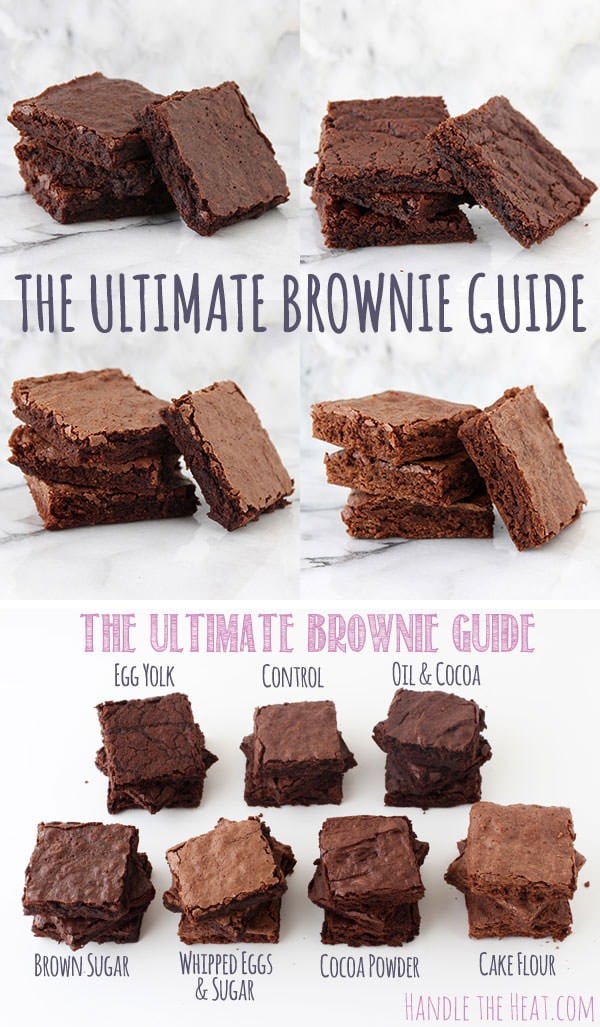
That is why I went on a quest to discover which brownie ingredients and techniques produce which results. In a crazy whirlwind of brownie baking, I made seven batches of brownies in a scientifically-inspired kitchen experiment. I used an adapted version of the well-known Baker’s One Bowl Brownie recipe as my control and tested the effects of cake flour, cocoa powder, brown sugar, oil and cocoa powder, an extra egg yolk, and whipped eggs and sugar. I used the same ingredients, utensils, and bakeware, when applicable, and maintained a 350°F oven and a 20 minute baking time for each batch to ensure accurate testing. Take a look at the results, I hope they help you discover the tricks to making your version of the perfect brownie!
Control Recipe
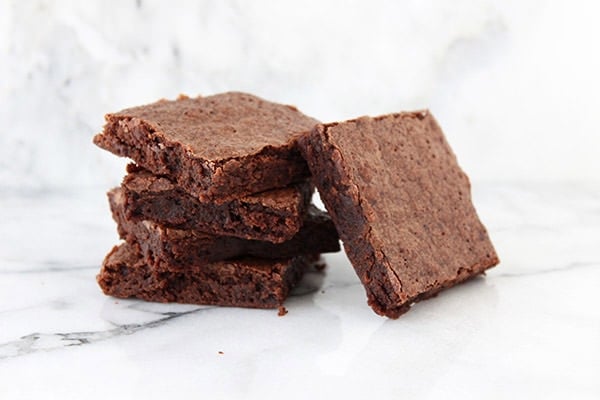
Ingredients:
2 ounces unsweetened chocolate
6 tablespoons (3 ounces) unsalted butter
1 cup granulated sugar
2 large eggs
1/2 teaspoon vanilla
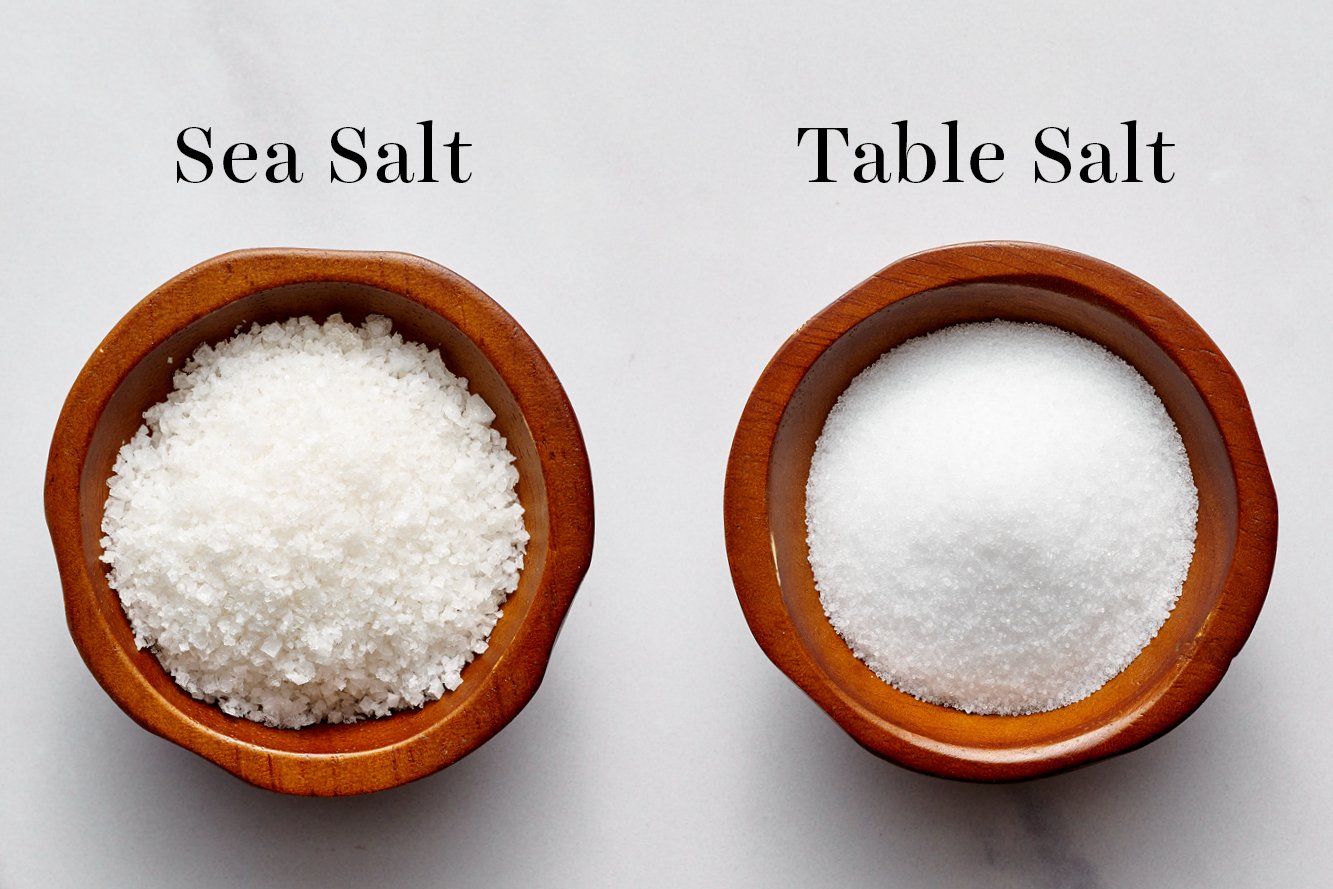
1/2 teaspoon fine sea salt
1/2 cup all-purpose flour (2.25 ounces or 63 grams)
Directions:
Preheat the oven to 350°F. Line an 8×8-inch pan with foil, leaving an overhang on all 4 sides. Spray with nonstick cooking spray.
In a large microwave-safe bowl, microwave the chocolate and butter on high in 30 second bursts, stirring between each burst, until the mixture is melted. Let cool slightly. Stir in the sugar. Mix in the eggs and vanilla. Stir in the salt and flour until combined. Pour into the prepared pan.
Bake for 20 minutes, or until a toothpick inserted in the center comes out with moist crumbs attached. Cool completely before cutting into squares.
Cake Flour:
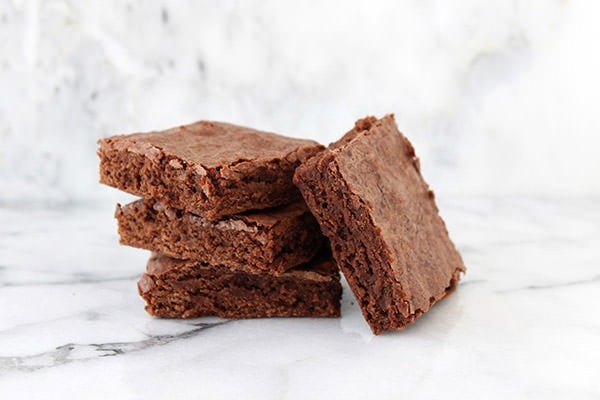
For this test I substituted the 1/2 cup (2.25 ounces) of all-purpose flour called for in the recipe with 1/2 cup of sifted Swans Down brand cake flour, which weighs 1.75 ounces after sifting. Everything else in the recipe was left as is. The brownies were lighter and softer, as you might expect. They were also less rich and dense.
If you’re wondering what cake flour is, it is a very fine-textured flour with a low protein content, usually about 8 percent. All-purpose flour has a protein content of around 10-12 percent, depending on the brand. The lower protein content in cake flour usually gives baked goods very tender and fine textured results, which is why it’s perfect in cake recipes. In brownies, however, I found that using cake flour produced results that were too soft and cake-y and not nearly rich or fudgy enough. If you prefer a more tender and cake-y brownie, using cake flour is definitely the way to go.
Cocoa powder:
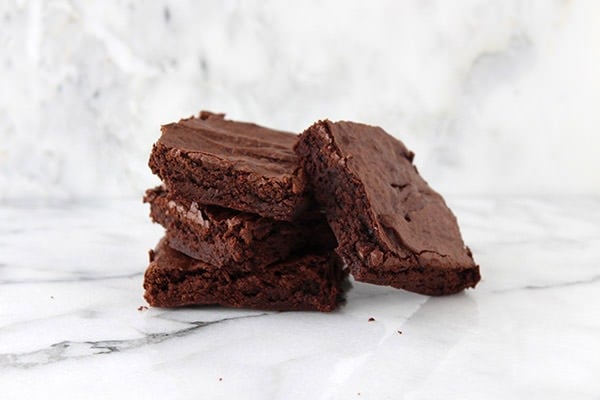
There are two main families of brownie recipes; those that call for melted chocolate and those that call for cocoa powder. Sometimes a recipe will call for both, but the Baker’s One Bowl Brownie recipe calls for melted chocolate. I wanted to see how using only cocoa powder would affect the brownies. I removed the melted chocolate in the recipe and replaced it with 3/4 cup of natural unsweetened cocoa powder, keeping everything else the same. The resulting brownies were nice and chewy with that distinct cocoa flavor, but they were also much more dry and crumbly. The melted chocolate certainly provides moisture and without it, the brownies were quenched. My go-to cocoa brownie recipe uses a whopping ten tablespoons of butter, as opposed to the control recipe’s six tablespoons. Cocoa brownies are quick, easy, and chewy, but they require more butter to maintain a moist, fudgy bite.
Brown Sugar:
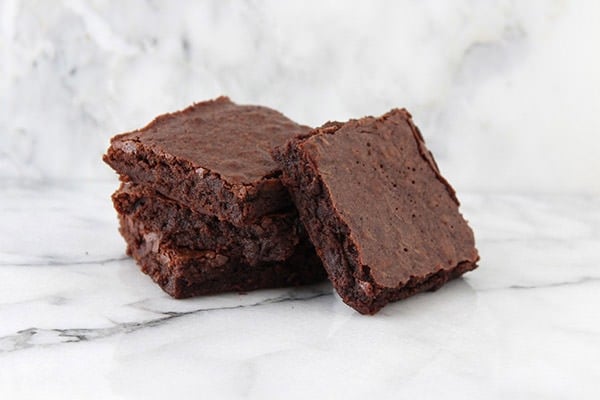
Most brownie recipes call for only granulated sugar, although some call for a ratio of both granulated and brown sugars. I love brown sugar and feel that it adds a depth of sweet flavor and moisture to baked goods so I thought it would be perfect to test how brown sugar affects brownies. I replaced the 1 cup of granulated sugar with 1 cup of packed light brown sugar and the resulting brownies were soft, rich, and ultra moist. They were also slightly thicker and darker in color than the control recipe. The one thing they were lacking as compared to the control brownies (and later the whipped egg and sugar brownies) was that crinkly, tissue-thin crust that is so characteristic of brownies. The brown sugar adds too much moisture to allow the tops the dry out enough to produce that crust.
Oil and Cocoa:
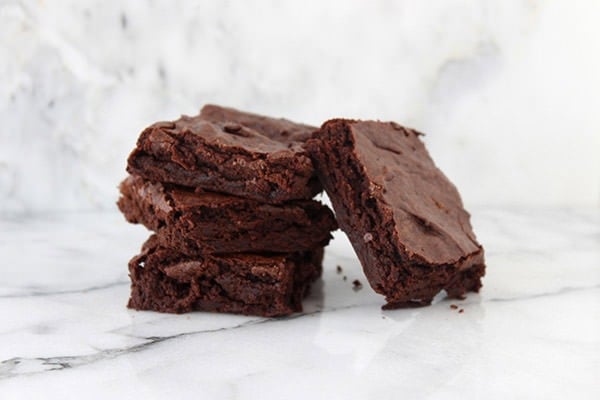
The idea behind this particular brownie test was to recreate the elements behind boxed mix brownies. Many of us grew up eating brownies made from a box and there’s definitely something appealing about their chewy texture and cocoa flavor. In an attempt to replicate those boxed brownie characteristics, I replaced the 6 tablespoons of butter with a 1/3 cup of vegetable oil and replaced the 2 ounces of unsweetened chocolate with 3/4 cup natural unsweetened cocoa powder. The results were very similar to box mix brownies in flavor, texture, and appearance. They were soft yet chewy with a light cocoa flavor that lacked the chocolate intensity of a more rich or fudgy brownie. They were also lacking moisture and were almost crumbly. My assessment of making brownies using both cocoa and oil is that they definitely require more moisture either in the form of fat, such as adding a touch more oil or an extra egg yolk, or in the form of water.
Egg Yolk:
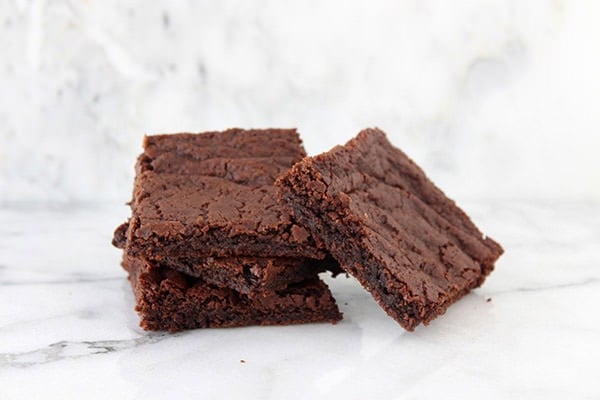
In the notes for the Baker’s One Bowl Brownie recipe it directs bakers to use an additional egg to make for more fudgy brownies. Knowing that fatty egg yolks add richness while the lean egg whites tend to produce a more cake-like texture in baking, I wanted to see just how fudgy an extra egg yolk would make these brownies. In addition to the two large eggs called for in the recipe, I added an additional egg yolk, keeping everything else the same. The egg yolk brownies were supremely dense, moist, dark, and ultra chewy. Like the brown sugar brownies, these egg yolk brownies had way too much moisture to produce that crinkly, tissue-thin crust. They were also on the thin side. If you want to add richness to your brownies and make them more fudgy and chewy, adding an extra egg yolk is definitely the way to go.
Whipped Eggs and Sugar:
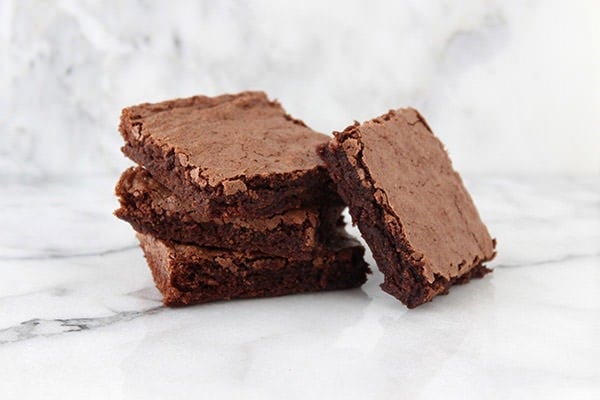
Finally, for my last round of brownie testing, I decided to experiment with the more unique technique of beating the eggs and sugar for 3 to 5 minutes with an electric mixer until they were pale, thick, and fluffy. After insuring the sugar was well dissolved into the eggs, I added the cooled melted butter and chocolate mixture and vanilla then proceeded with folding in the salt and flour. The results were interesting. These brownies were rich, fudgy, and chewy, but had a lightness about them that none of the other brownies had. Plus they had a beautiful crinkly tissue-thin crust on the top that I loved. I must admit that while I enjoyed certain characteristics of all the other brownies in this kitchen experiment, these whipped egg and sugar brownies were my favorite.
Final Comparison:
The article The Ultimate Brownie Guide was originally posted at Relish.com
Since we’re on the subject of brownies I figured I’d whet your brownie appetite by rounding up some of my favorite brownie recipes that I’ve posted over the years. Which is your favorite?
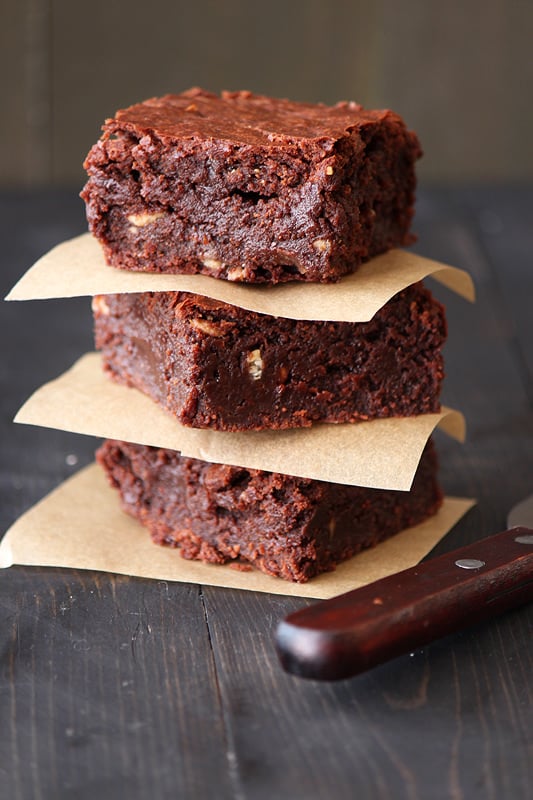
Thick and Fudgy Toffee Brownies
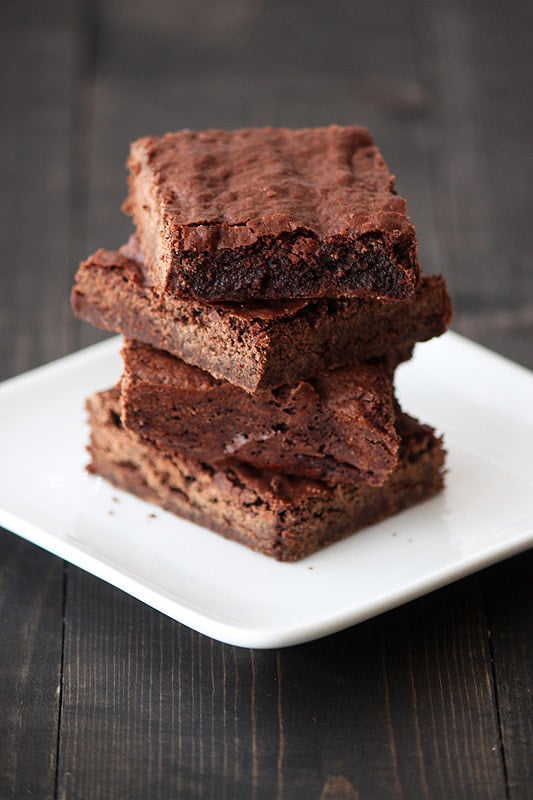
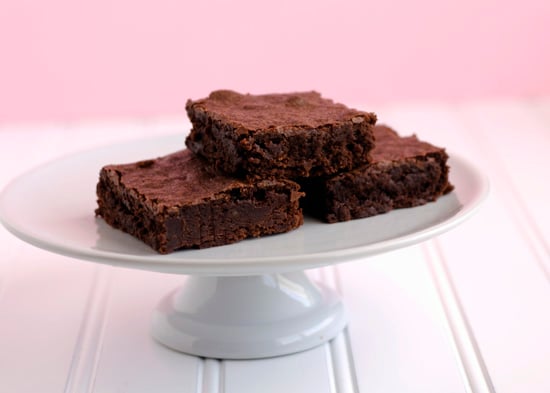
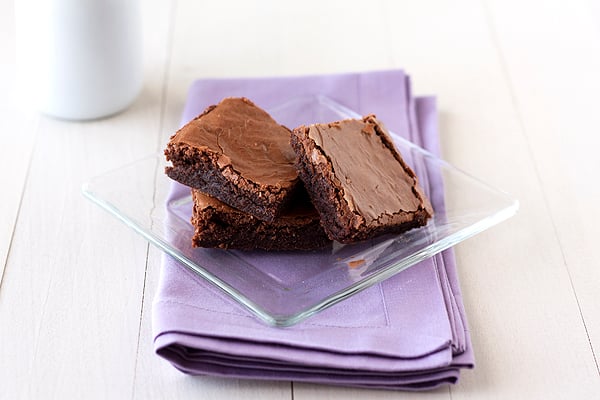
Crinkly Brownies
What’s your ultimate ideal brownie? Do you like them chewy, fudgy, cakey, or something else?
Share on Pinterest:


This guide is so fun! Thank you so much for publishing it! I love doing what I call taste test between multiple recipes too, so I don’t do very many testing for specific variables like you did. It was really fun to compare your results with my favorite brownie recipe, and in the notes that I took about what I’d like to try… Cocoa powder, brown sugar, extra yolks, and whipping the sugar and butter… It turns out that my favorite recipe already Incorporated the brown sugar and the cocoa powder. My favorite brownies are from the King Arthur flour whole grain baking cookbook. Happy baking!
Have you ever made a brownie using bread flour? If so what were the results? I accidentally purchased a six pound bag of bread flour and have no idea how to substitute for all purpose flour or even if it’s possible .
Haha! I’ve never used bread flour in brownies. I do use it ALL the time in my favorite chocolate chip cookie recipe, however: https://handletheheat.com/ultimate-chocolate-chip-cookies/
My daughter is allergic to eggs (and peanuts, but that doesn’t really matter in baking). I have to bake everything for the family because of her egg allergy. (She is part of the few people who are allergic to eggs who can’t eat it in baked goods. Most people who are allergic to eggs can eat it in baked goods.)
I have become an expert in baking a lot of things, however, I have not tried brownies yet. I have found I get better egg free results from baking from a traditional recipe verses and egg free recipe I might find on the internet.
But when I try something new, I always do research to see if I can find something that might help me in thinking of the best way to replace an egg in the recipe. This article of yours is perfect. It gave me a lot of insight. I will be making some this weekend for a 4th of July party. I think I am going to replace the egg as usual (1 tbsp of plain yogurt for every egg, and bob’s red mill egg re-placer, following the package directions). But from what i know already, no egg makes things much more moist than with eggs, and makes them sticky. Your article gives me the perfect information to figure out what else I need to do to make some yummy brownies. Thanks!
I also wanted to mention, that I think if you do another one of these type of articles, I think it would be so cool if you could try one recipe with no eggs for people who might have this food allergies. Just a thought. (I get messages a lot from people who want to bake something and realize they have no eggs and want to know what to do. Great angle for an article as well because the typical response of, banana’s does not actually work all that well.)
Hi! I had a quick question. Can I make this in a 13 by 9 pan? I assume I would need to double the recipe?
Do you have any advice or suggestions on how to make a CRUNCHY brownie. I like them better than fudgy.
Have you heard of brownie bark? My friend Kelly has a fabulous recipe: http://www.justataste.com/chewy-chocolate-brownie-bark-recipe/
Do you have any advice or suggestions on how to make a CRUNCHY brownie. I like them better than gushy.
Love this! One note, Tartine’s brownies use brown sugar and result in a crackly top!
Good to know!
Hi, I wanna ask about the cocoa powder brownie. Is there any crunchy crust at the topped of the brownie?
Hi Tessa! May I know for the recipe you gave, in a 8″ x 8″ pan, how high/thick are the resultant brownies? Thanks!
Just a new to brownie baker so Don’t use a brooownie mix that has past expiration date, tastes stale. Use extra egg if you like cakey texture, I am not a fudgy guy. Use a silicone baking pan comes out easier, edges not crunchy. Good luck you all and keep on experimenting until you hit it!
hi! i’ve just made the control recipe with whipped eggs and sugar and the brownies look pale, it will modify the brownie if i add more chocolate?
Hi Tessa! First I’d like to thank you for taking the time to create this guide; it’s been really useful when I want to experiment with brownies (your guide on cookies is great too!).
But I have a complaint/question. I followed the control recipe and used the whipped eggs/sugar change. While preparing the batter, I noticed that the recipe called for 2 oz. of chocolate which I converted to about 1/4 cup of chocolate. I thought the amount to be very small, but I ignored it and continued the recipe. It turned out exactly as you described it to be, except for the color of the brownies came out pale brown and didn’t taste like chocolate or brownies at all. I was sure that the problem was too little chocolate, so I went back and looked over the entire guide to make sure that it wasn’t a typo. I noticed that on the cocoa powder recipe you said that you “removed the 4 ounces of melted chocolate in the recipe and replaced it with 3/4 cup of natural unsweetened cocoa powder”, contradicting the original recipe and then followed the original for the cocoa and oil recipe, stating that you “replaced the 2 ounces of unsweetened chocolate with 3/4 cup natural unsweetened cocoa powder”.
I hope that you can fix this soon, please!
Hi Angela! Thanks for pointing that out! It was a typo. If you look at the original Baker’s One Bowl Brownie recipe for an 8×8-inch pan size, it calls for 2 ounces of chocolate. That is the correct amount for that size pan. I hope that clears things up! By the way, you may want to try out my Ultimate Brownie recipe which utilizes the whipped eggs/sugar technique and makes for very chocolaty brownies: https://handletheheat.com/ultimate-brownies