

Baking Science

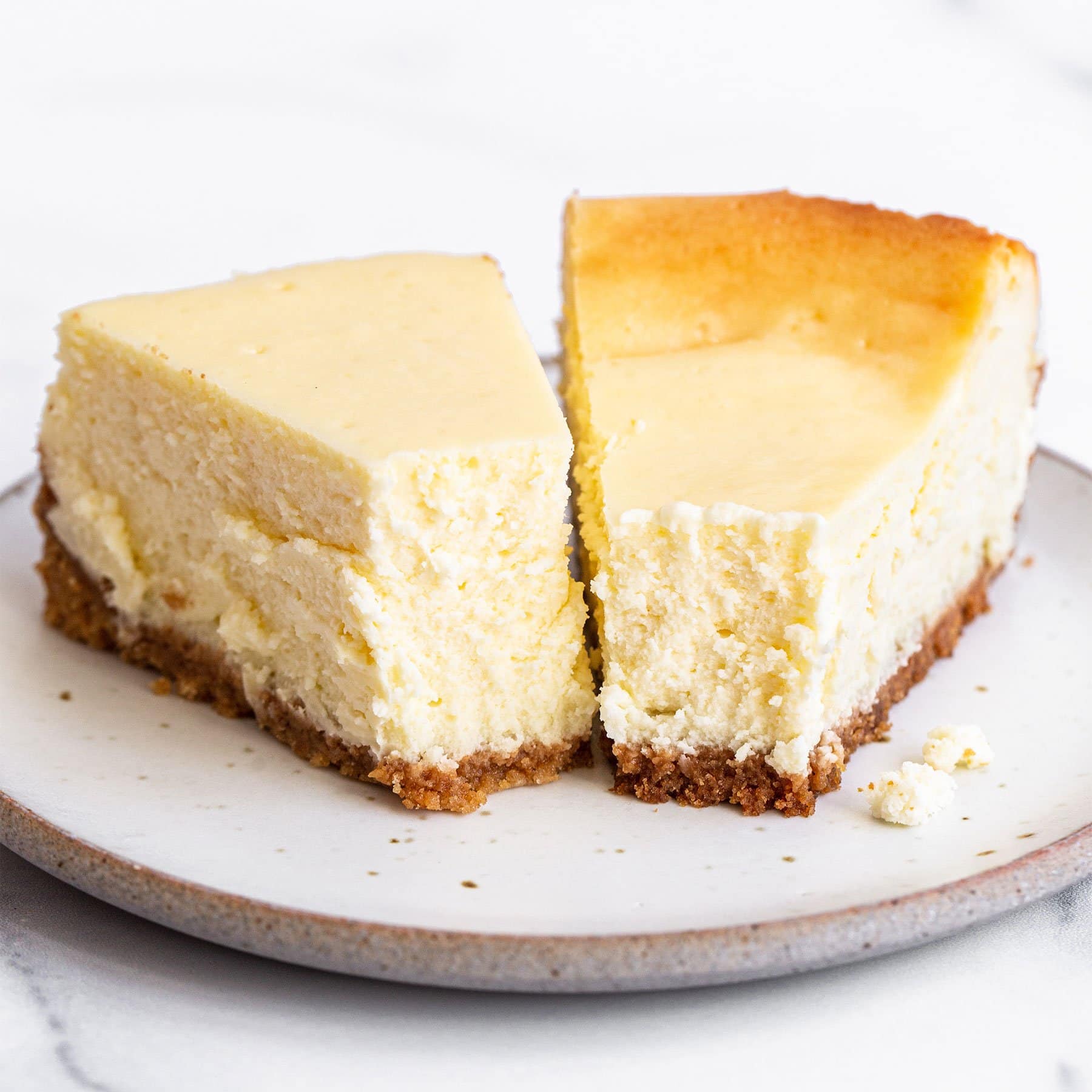
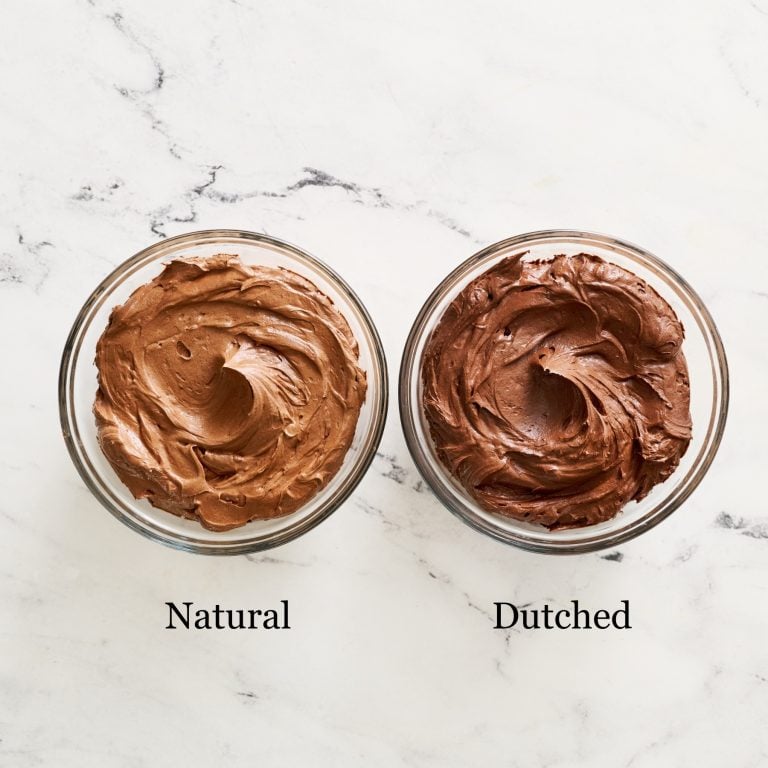
Here at Handle the Heat, I’m very passionate about Baking Science. Understanding the simple science of baking will have you baking consistently perfect desserts every time! Learn How to Make a Water Bath for a Cheesecake, the Baking Secrets of Cocoa Powder, the many Functions of Sugar in Baking, and much more. Get ready to become a baking pro and enter the kitchen with confidence every single time.
Most Popular Baking Basics Videos Cookie Baking Hacks Tessa’s Tips Cake Baking Hacks How To Guides All Posts

Here at Handle the Heat, I’m very passionate about Baking Science. Understanding the simple science of baking will have you baking consistently perfect desserts every time! Learn How to Make a Water Bath for a Cheesecake, the Baking Secrets of Cocoa Powder, the many Functions of Sugar in Baking, and much more.

Baking Basics

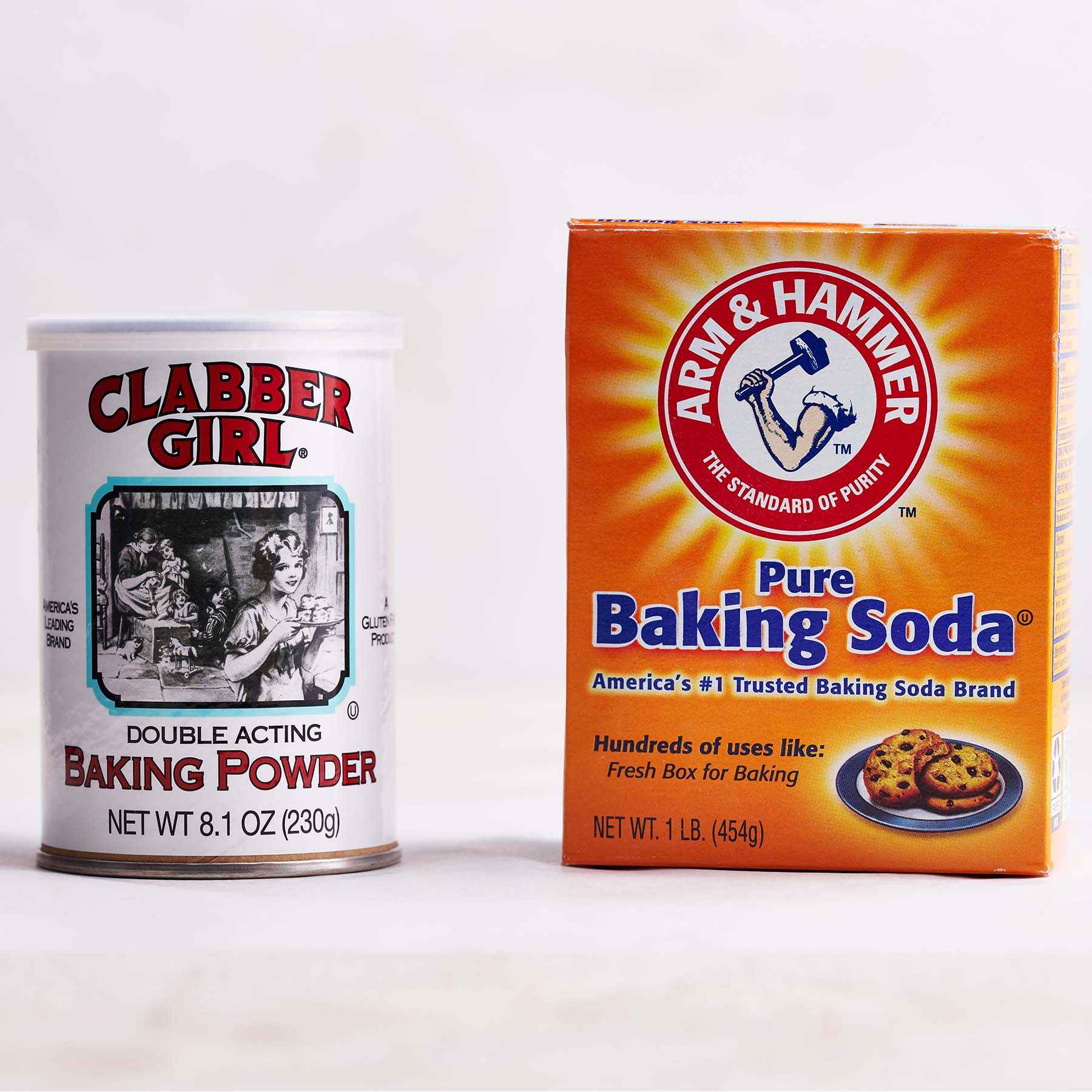
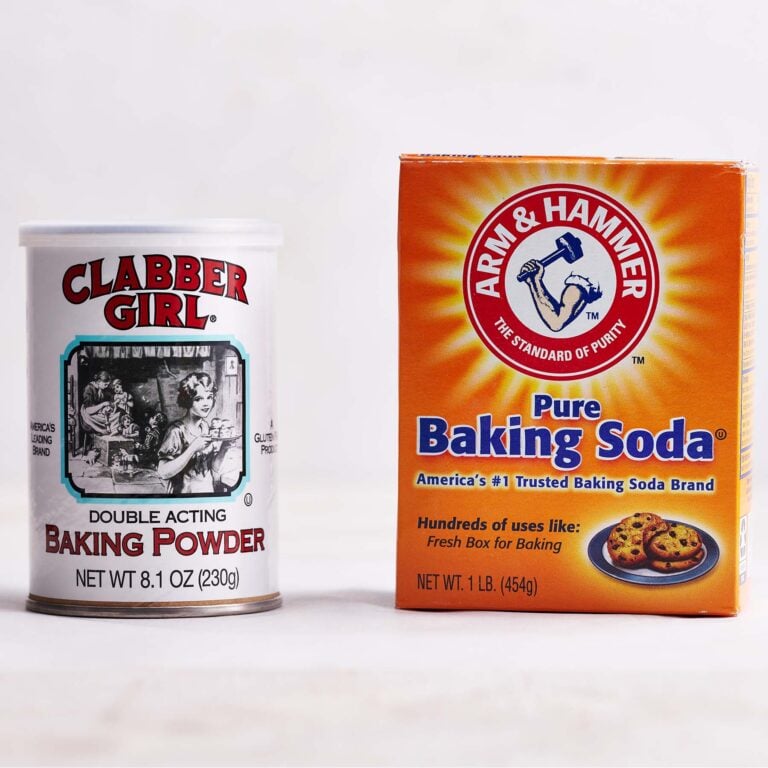
Baking Soda vs.Baking Powder

Oven 101: What you NEED to Know

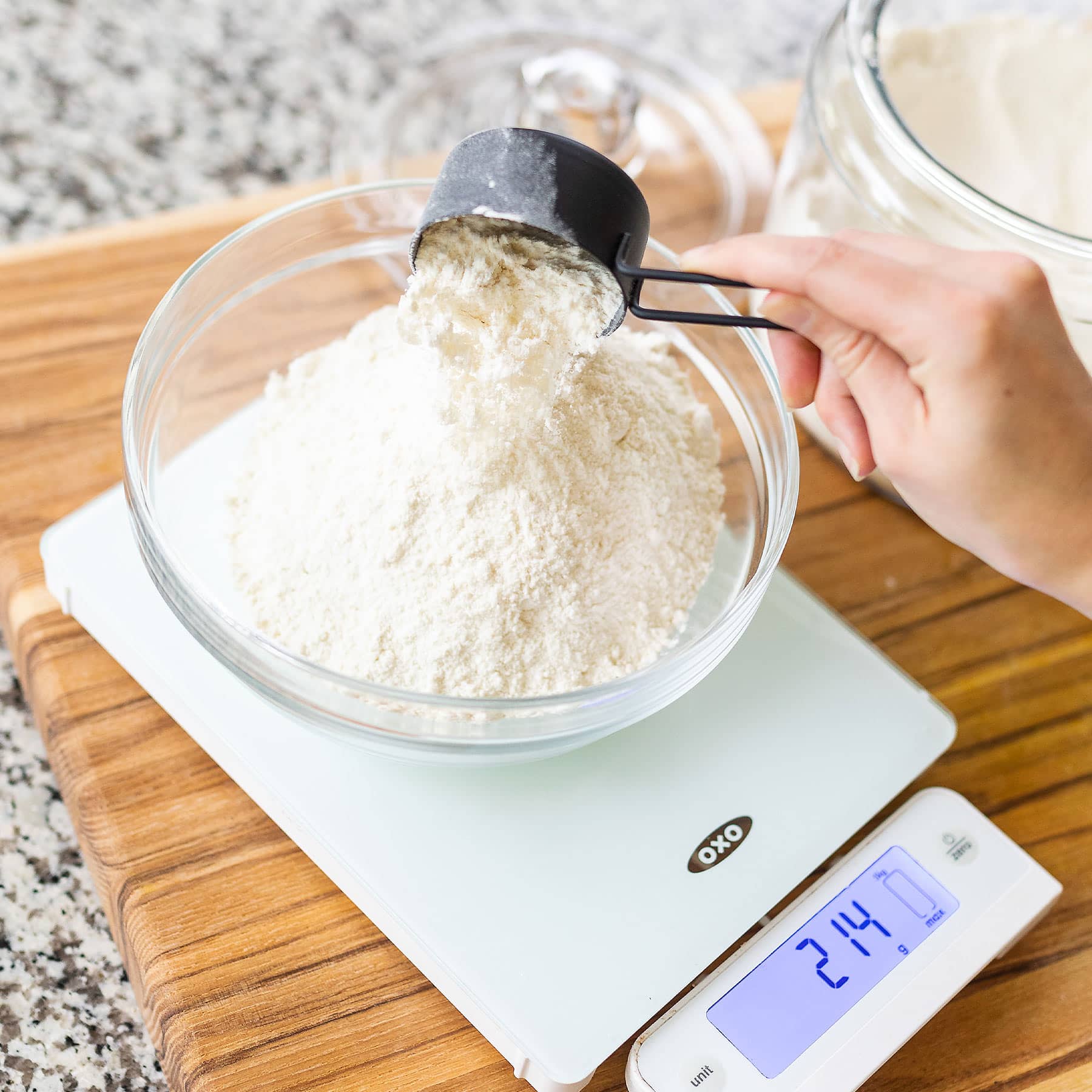
How to Measure Flour

The Ultimate guide to Measuring

Why I Hate Baking Substitutions

Active Dry Yeast vs. Instant Yeast

How to Cream Butter and Sugar

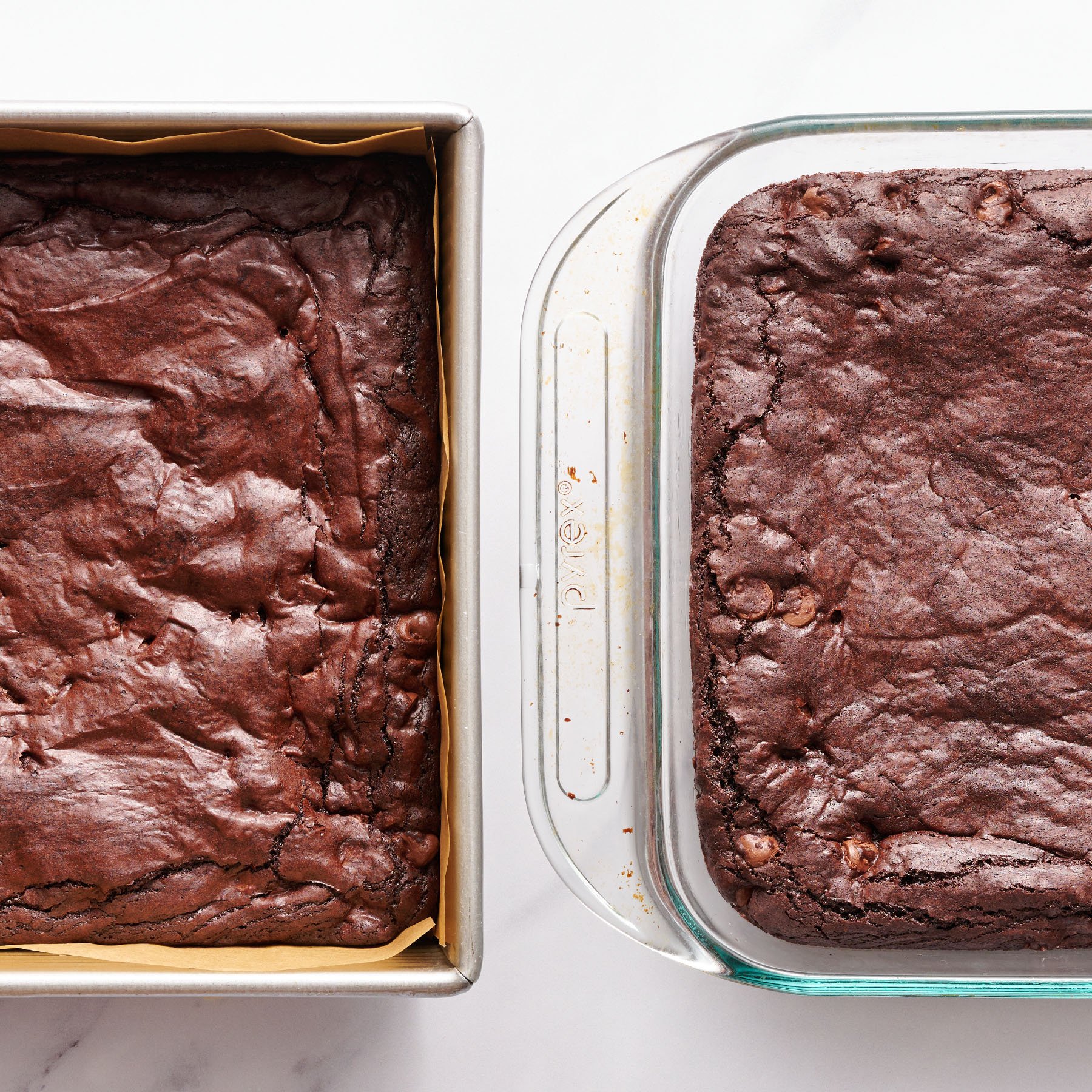
The Glass vs. 
Metal Baking Pans
Guide to Measuring

See all baking basics

Science of Baking Videos

Sharpen your baking skills with these helpful Science of Baking videos.

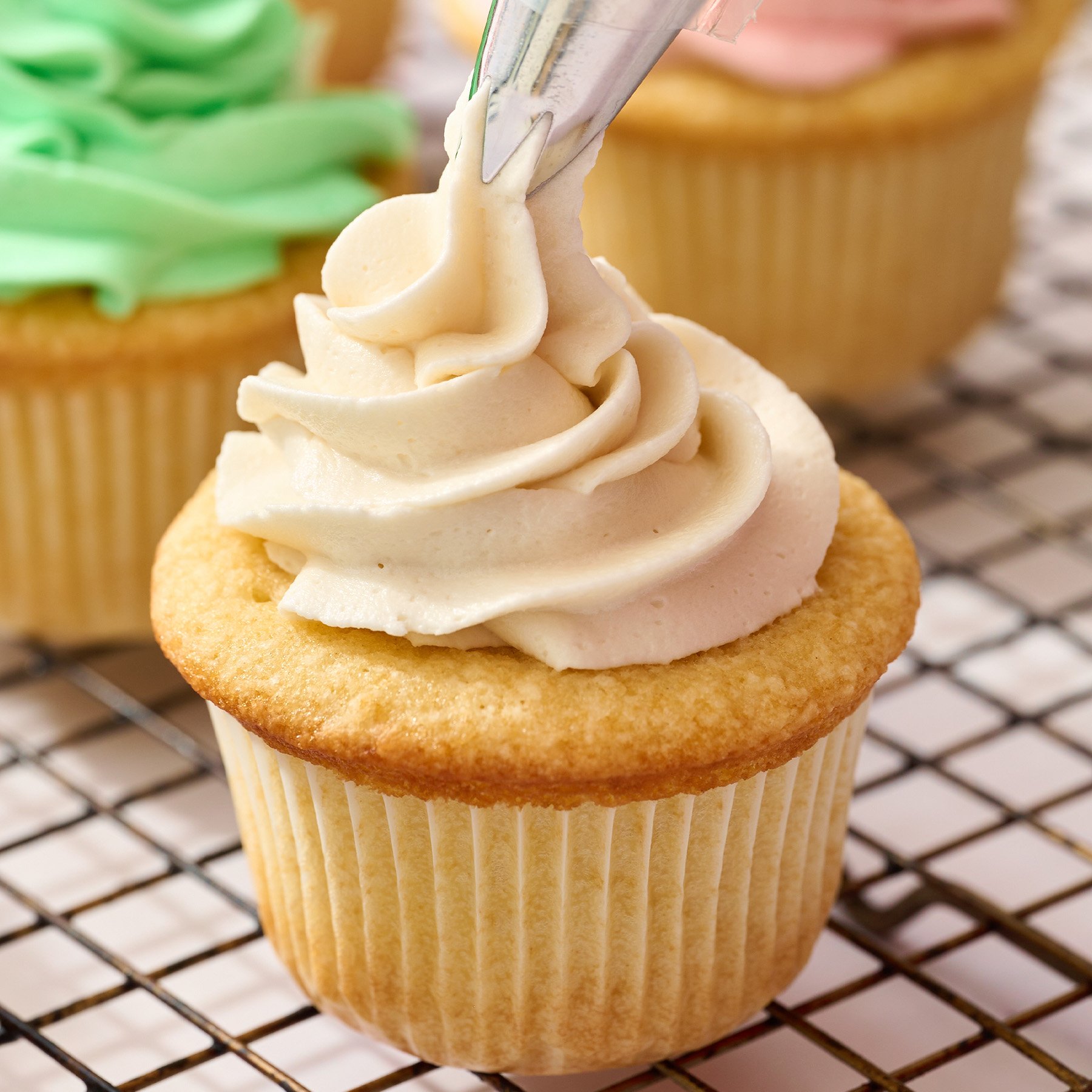
  • How to Make the Best Buttercream

  • Baking Soda vs. Baking Powder

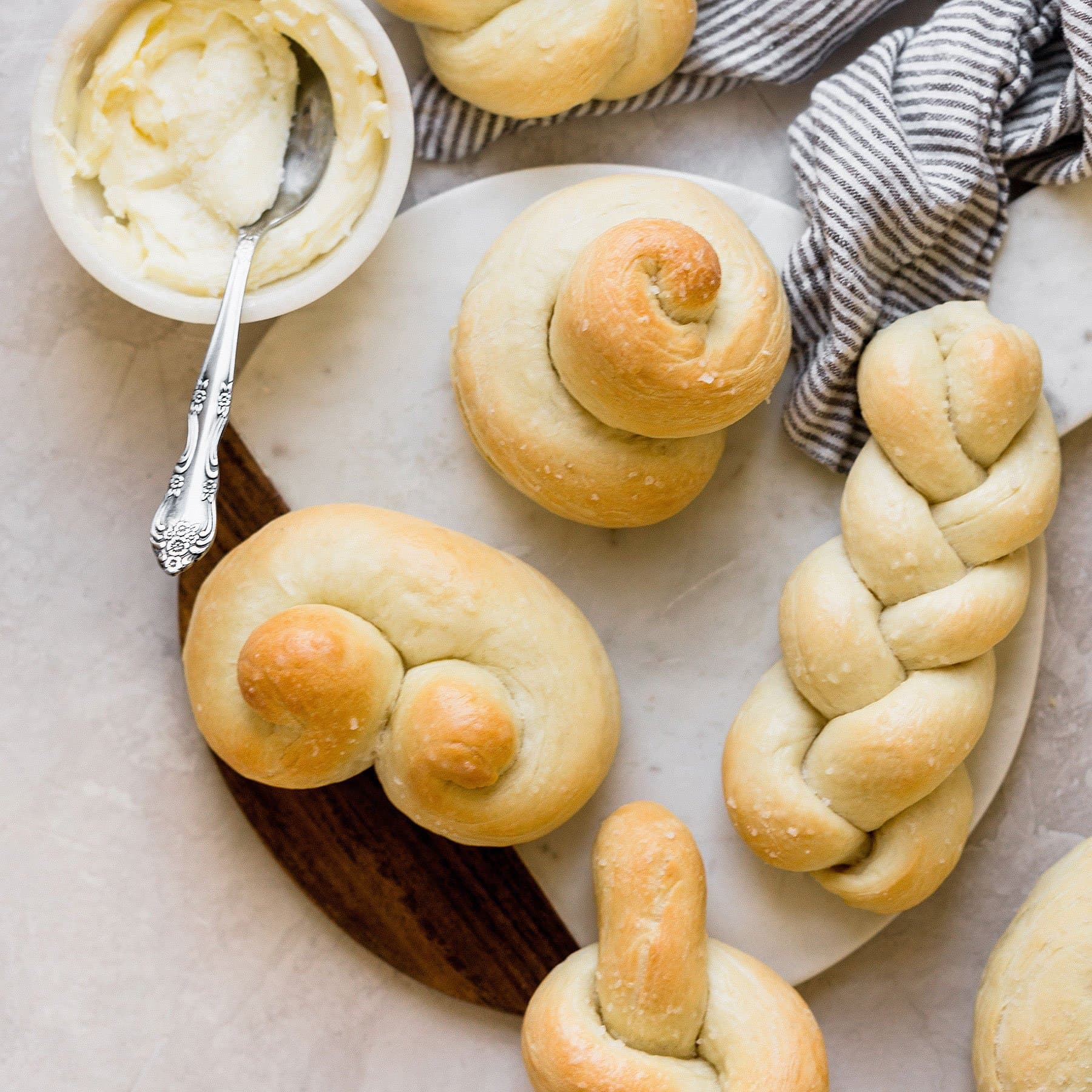
  • 5 Ways to Shape Bread Rolls

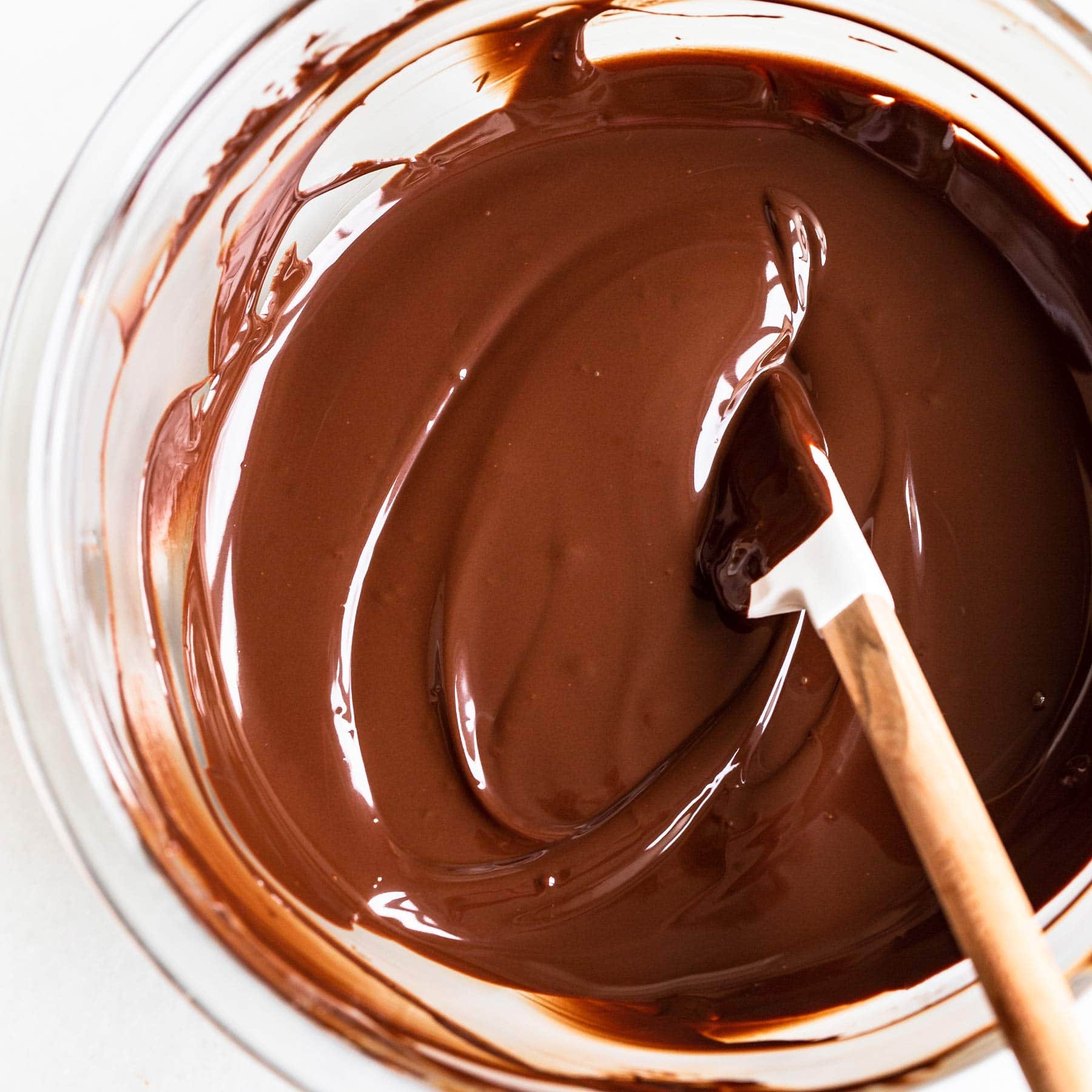
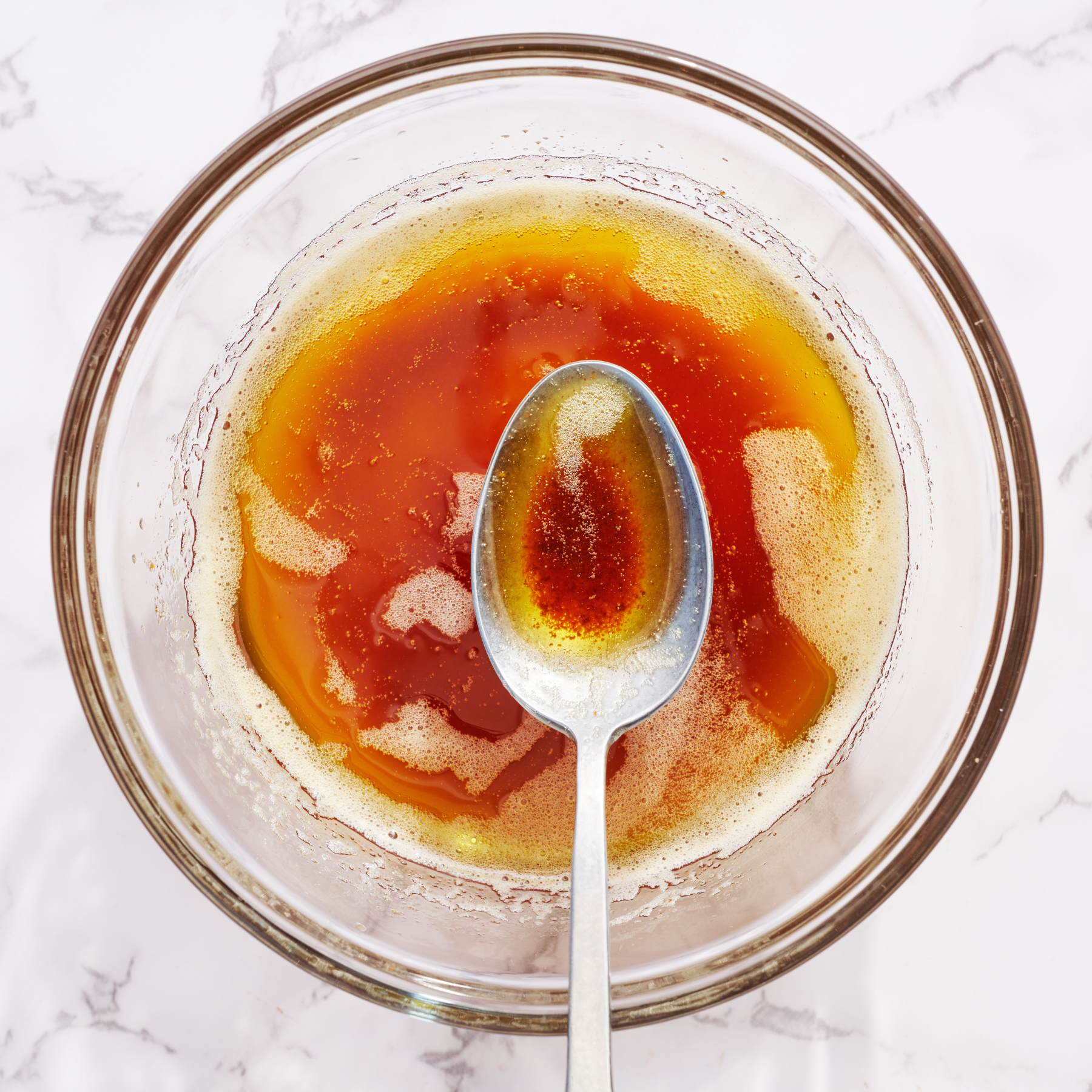
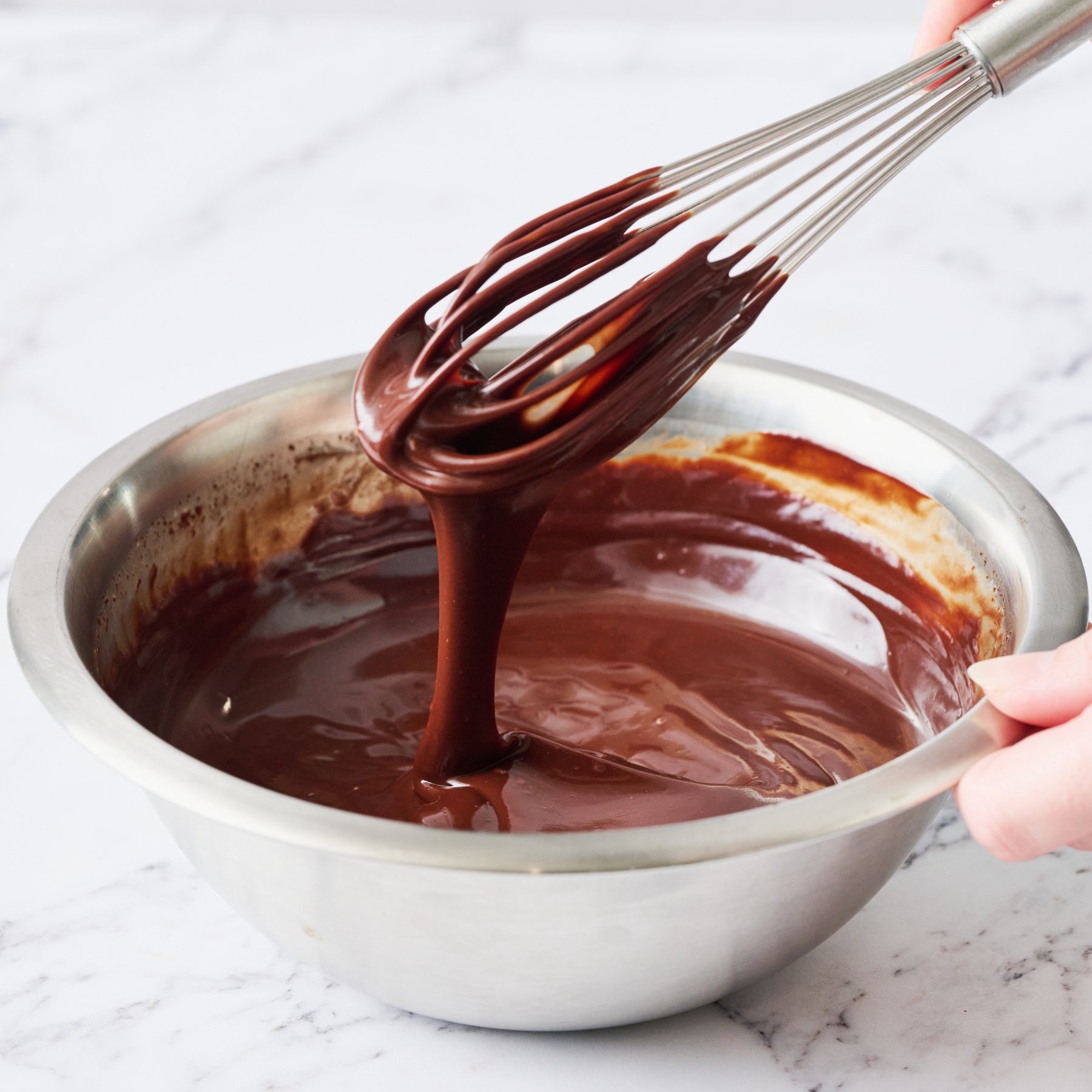
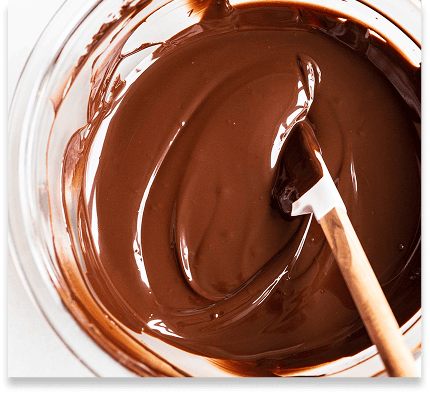
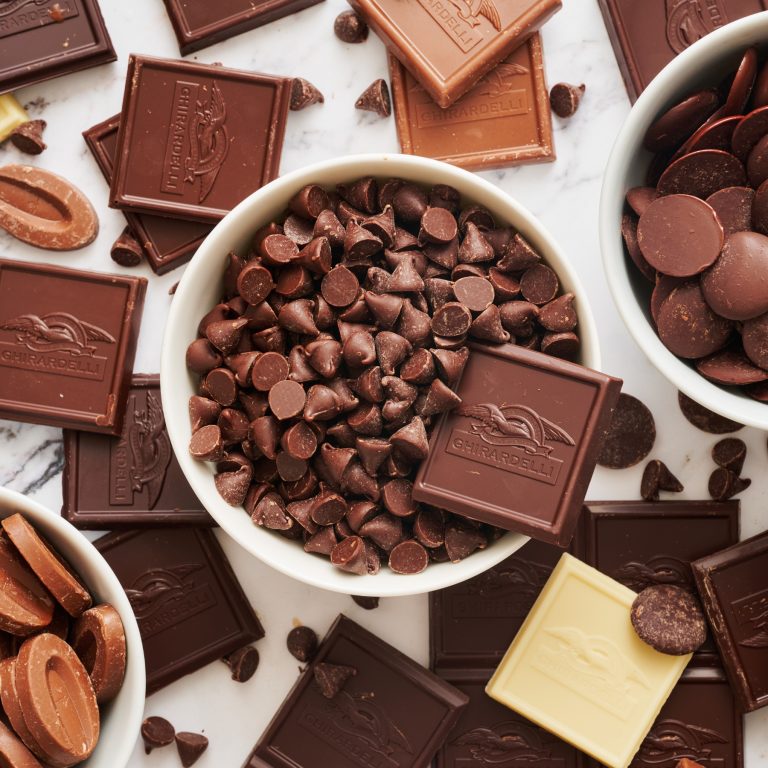
  • How to Make Chocolate Ganache

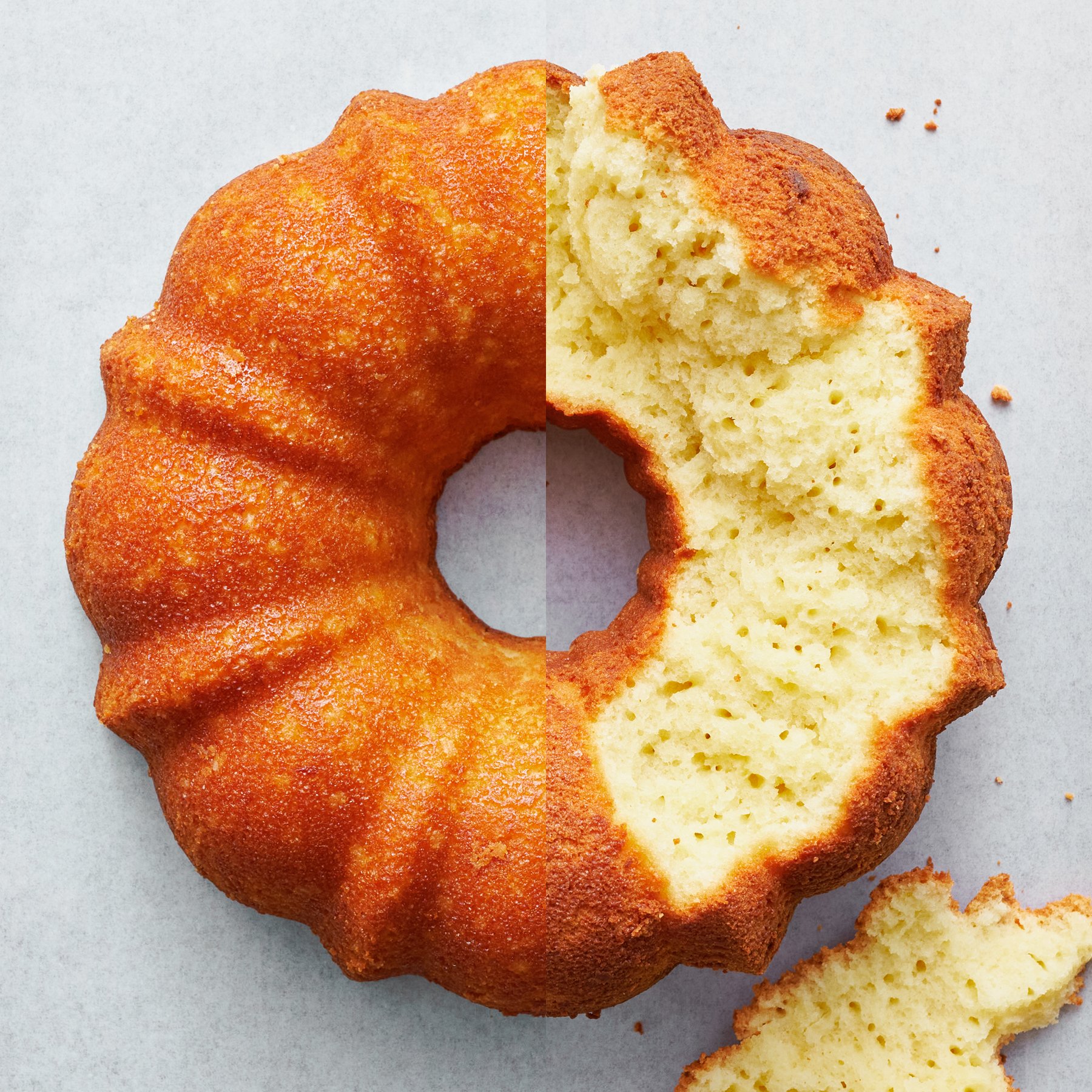
  • Bundt Cake Sticking to Pan? Here’s How to Prevent It

  • How to Measure Flour

Baking Science Mini-Course

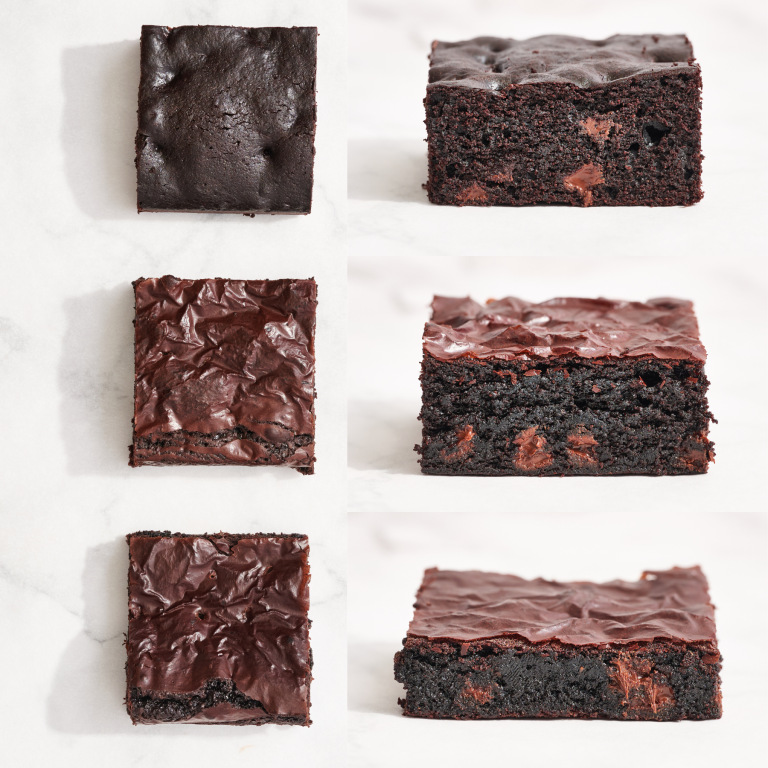
From cookies that spread to undercooked brownies, this *FREE* 5-day Baking Science course helps you conquer common baking challenges and make bakery-worthy treats every time.
Sign me up!

Tessa’s Top Baking Tips

These are the three things I wish EVERYONE knew before attempting any recipe.
1.
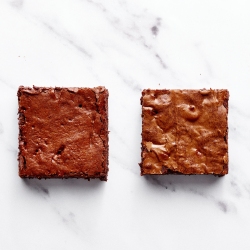
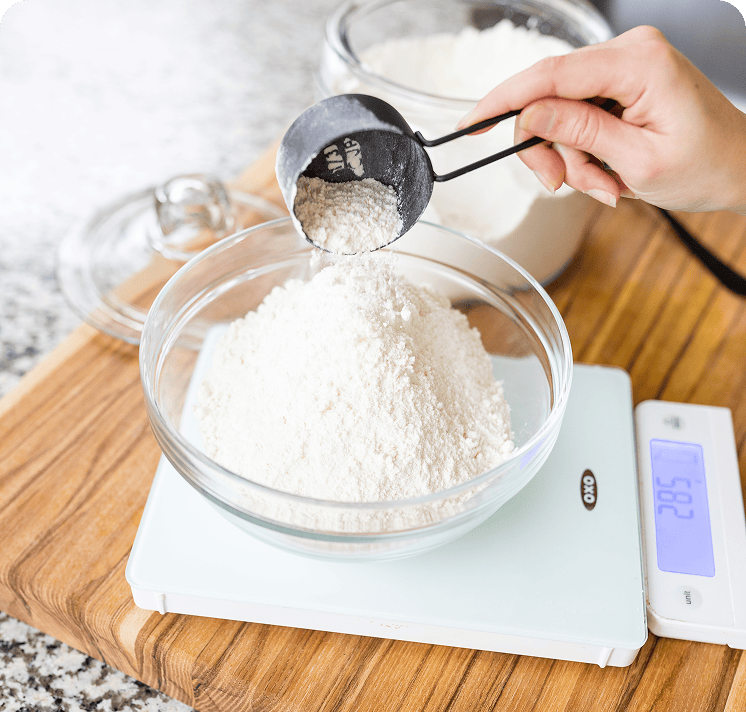
Measure ingredients with a digital scale

The easiest ingredient to mis-measure is flour. It can be easily compacted into a container or measuring cup without you even realizing.

Too much flour in a recipe can yield results that are dry (instead of moist), dense (instead of light and fluffy), crumbly (instead of moist, chewy, or fudgy), tough (instead of tender), or rubbery (instead of delicate).

Learn the RIGHT way to measure your flour and other baking ingredients HERE.

2.

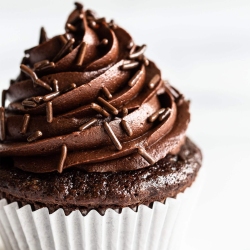
Use the correct baking pans

I highly recommend using light colored aluminum pans for just about everything. Avoid dark colored nonstick pans as well as most glass pans.

Dark metal pans will dry out the edges of your desserts, often before the center can cook through. Glass or ceramic baking pans will take LONGER to bake most desserts, and can result in gummy textures.

More on this in my Glass vs. Metal Baking Pans article.

3.

Your dessert will NOT turn out the same if you make substitutions

Here at Handle the Heat, we believe butter, eggs, flour, and sugar are magical specimens and should never be replaced (unless medically necessary due to an allergy/intolerance).

We highly recommend making all recipes exactly as written. If you decide to substitute an ingredient(s), just know the final result won’t be the same in texture and/or flavor.

see all tessa’s baking tips

Cake Baking Hacks

Cake Baking Hacks

Explore the Baking Troubleshooter

All Baking Science Articles