






Tessa Arias, Chef and Cookbook Author
This post may contain affiliate links. Read our disclosure policy.





The #1 Reason Why You Should Chill Your Cookie Dough is simple: it vastly improves your cookies in both taste and texture.
If you’re like most, you don’t want to take the time to chill your cookie dough. I totally get it – who wants to wait for cookies!? But here’s the thing if you REALLY want the best cookies… you know a little patience goes a LONG way.
Just take a look at the difference chilling makes:
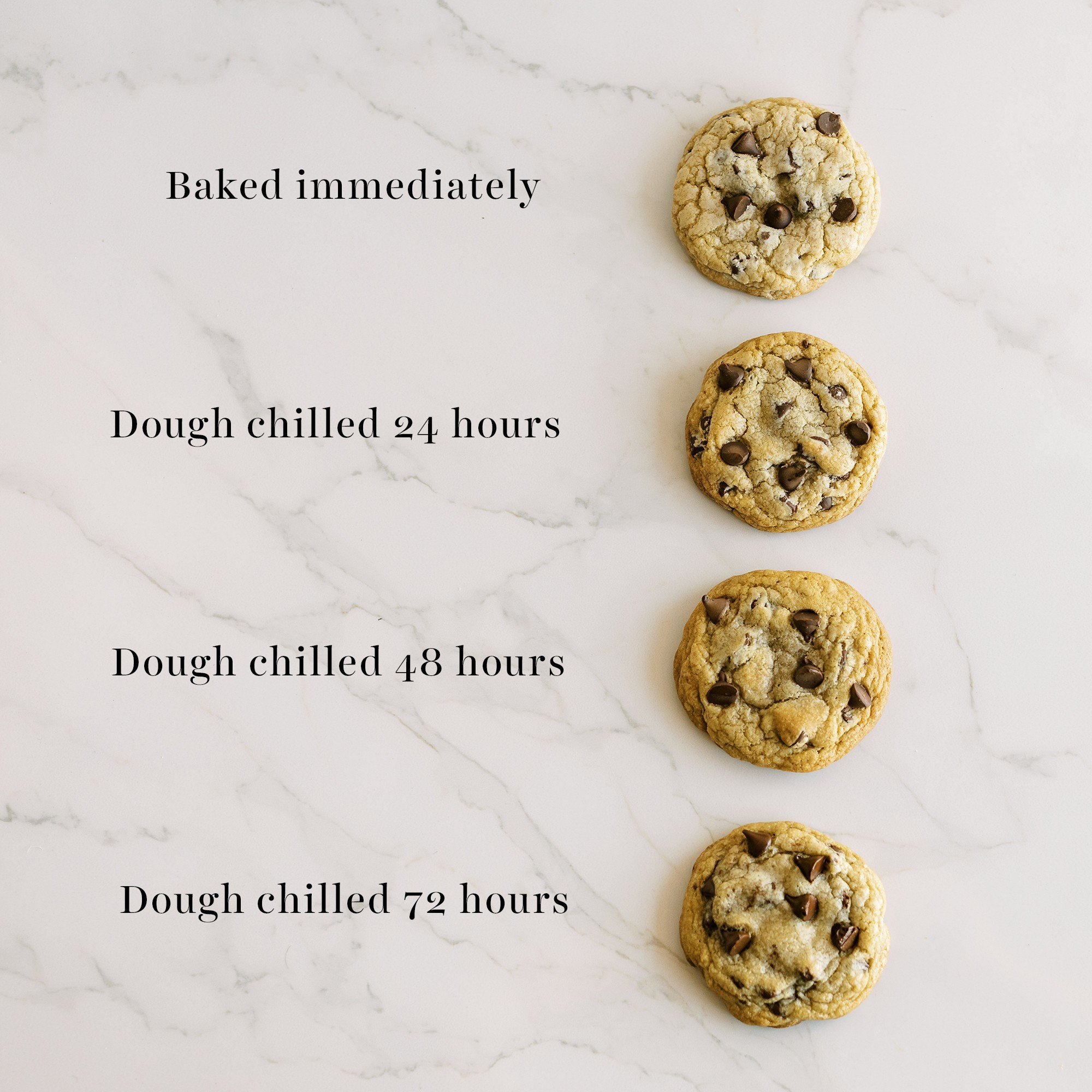
MAGIC!
I’ll explain WHY this happens, and answer all the questions you may have, just below.

Sprinkle of Science
The #1 Reason Why You Should Chill Your Cookie Dough
This chilling period does quite a few things:
- Most importantly, it allows the flavors to develop and intensify! You can think of it like marinating meats – everything intensifies and gets better with time.
- It gives the liquid in the egg a chance to hydrate the starch in the flour, making the dough firmer, which helps the cookie spread less in the oven (hello, thick cookies!).
- And it allows the enzymes in the flour and egg yolk to break down the carbohydrates into their component sugars, fructose, and glucose.
The short of it? Chilling cookie dough makes the cookies much more flavorful, with that blissful caramelized butterscotch flavor, and it makes them thicker, chewier, and browner.
How Long Should I Chill Cookie Dough to See These Benefits?
In the photos here, you can see this play out with my Bakery Style Chocolate Chip Cookie Recipe. Each cookie was baked on the same baking sheet, at the same temperature, for the same amount of time. The taste and texture improved with every batch… until 72 hours. Then I noticed diminishing returns. I think that’s because this particular recipe has a lower hydration level so after a certain point the dough starts to dry out.
Oppositely, I notice 72 hours of chilling time are my favorite cookies when I’m using my Ultimate Chewy Chocolate Chip Cookie recipe. That one has a higher hydration level and yields well, chewier cookies.
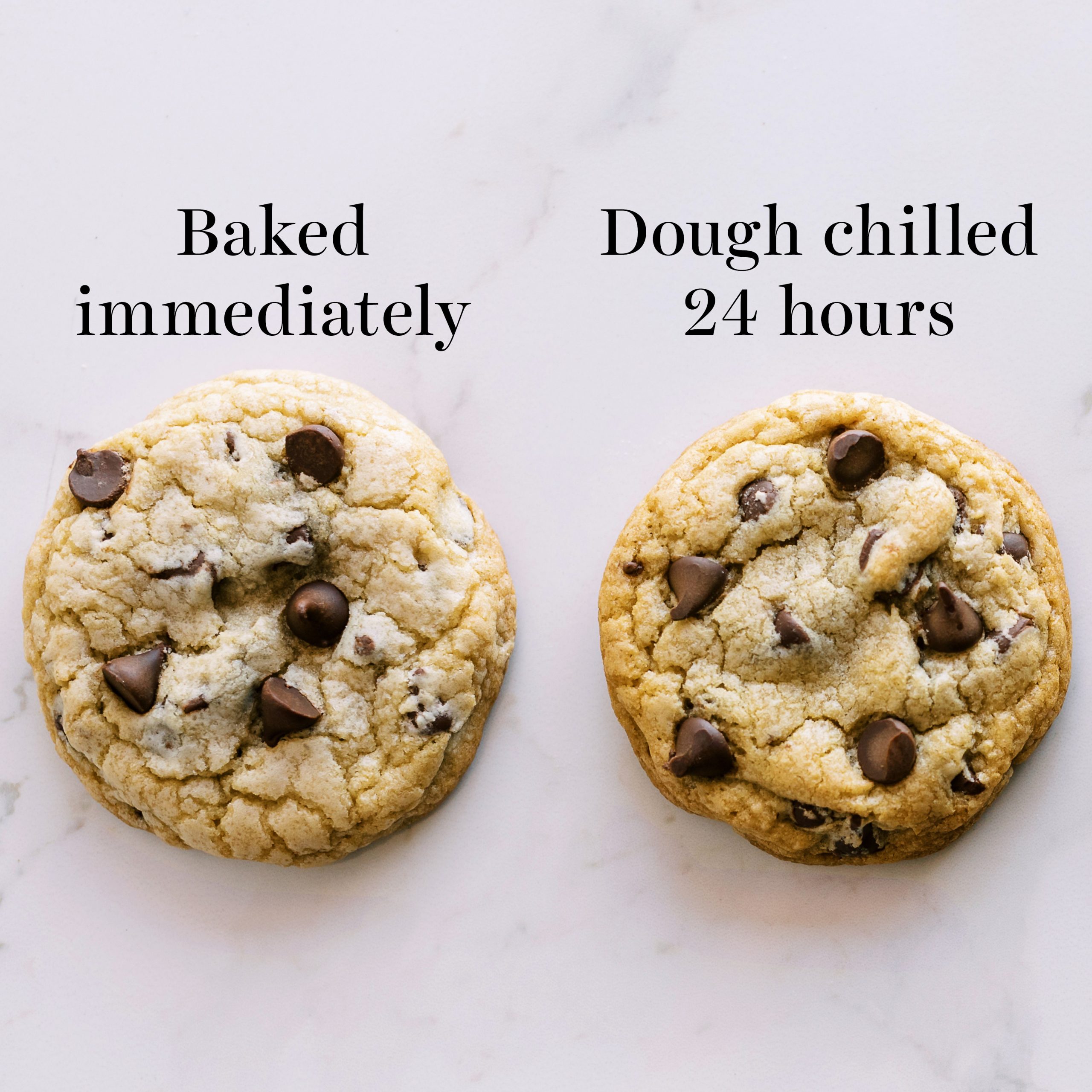
Either way, I’d HIGHLY recommend chilling for 24-48 hours the next time you bake any drop-style cookie. Bake off a few immediately so you can compare the chilled ones (like in the image below)!
But Tessa … What if I Really Can’t Wait to Enjoy a Cookie?
Totally understandable! When I can’t wait, I simply bake off a few cookies immediately after making the dough, then send the rest to chill in the fridge. You can even save a few of the ones you baked immediately to compare the results of the chilled ones!
Should I Chill The Entire Mass of Dough, or Portioned Cookie Dough Balls? Does it Matter?
You can do either! Here’s how:
- If chilling the entire mass of dough, place it in an airtight container. After the chill period, allow the dough to sit at room temperature until it’s malleable enough to safely scoop (which can take over an hour depending on your kitchen environment). This method allows you to get away with storing the dough for a little longer without risking it drying out.
- The easier method is to scoop the dough right after you make it, then place the dough balls in a single layer in an airtight container or cover very tightly with plastic wrap. This method reduces the amount of time you can store the dough without it drying out, but this way, you can bake the cookie dough balls directly from the fridge. No waiting for it to come to room temperature!
How Long Should I Chill Cookie Dough?
Anywhere from 24 to 72 hours. The longer you chill the dough, the more flavor will develop. The flour will also absorb more of the moisture so the thicker and chewier the final texture will be.
How Long Can Cookie Dough Last in the Fridge?
After 72 hours, the dough will begin to dry out and you risk it going bad, especially if chilling pre-portioned balls of dough instead of the entire mass of dough. If you want to store longer than 72 hours, see the freezing tips below.
Can You Freeze Cookie Dough?
If you want to freeze the cookie dough (specific directions on that here), simply do it after the 24 – 72 hour chilling period. Do not skip the chilling period. Once you put the dough in the freezer, the moisture in the dough will freeze. If you freeze right away and skip chilling your dough, you won’t get the same benefits; it’s like the dough is in suspended animation and the flour/starch won’t be able to absorb moisture because the moisture is frozen. The chemical processes that happen while the dough is marinating can only happen in the fridge.
Can I Chill ANY Cookie Dough?
This most directly applies to chocolate chip cookie dough, but any time you want to develop stronger flavors and a thicker, chewier texture in any drop-style cookie dough, chilling will be your friend. When making cookies with oatmeal, it’s best not to refrigerate more than 48 hours at most, as oats are such a drying ingredient, and you don’t want the dough to dry up too quickly.
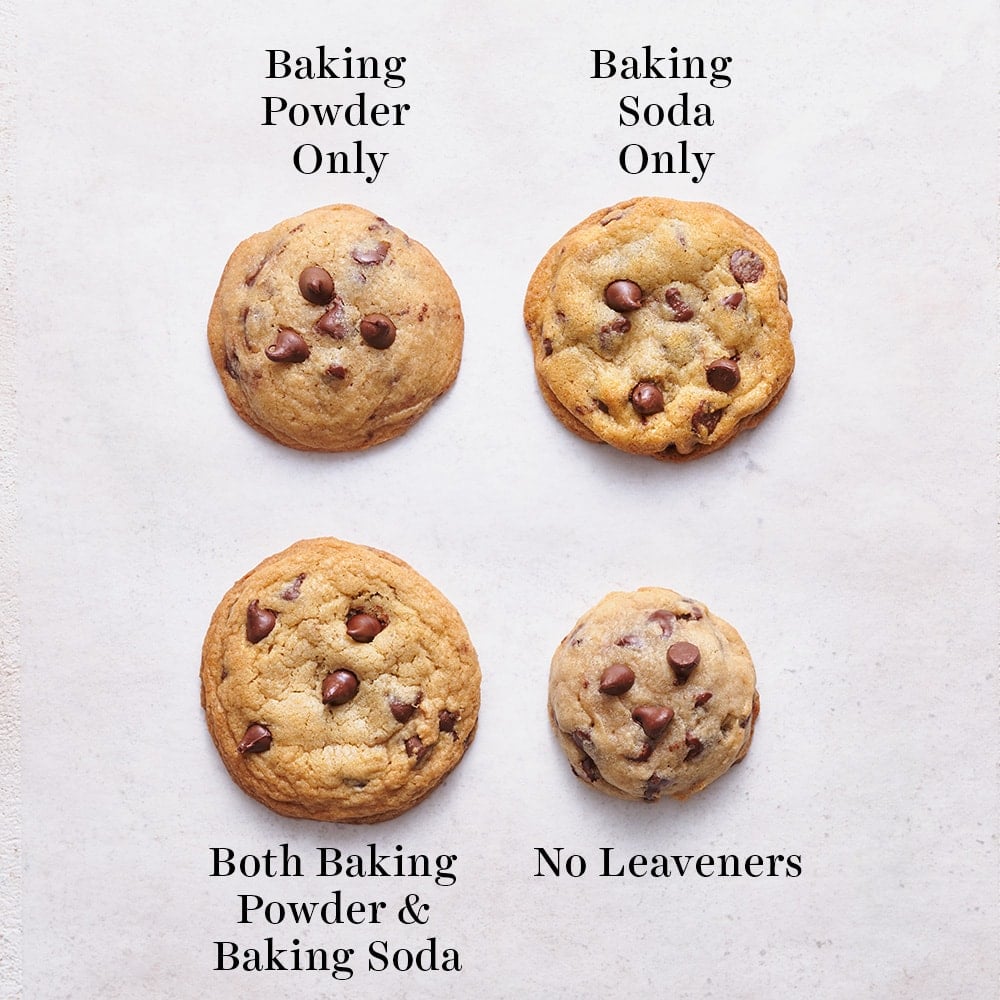
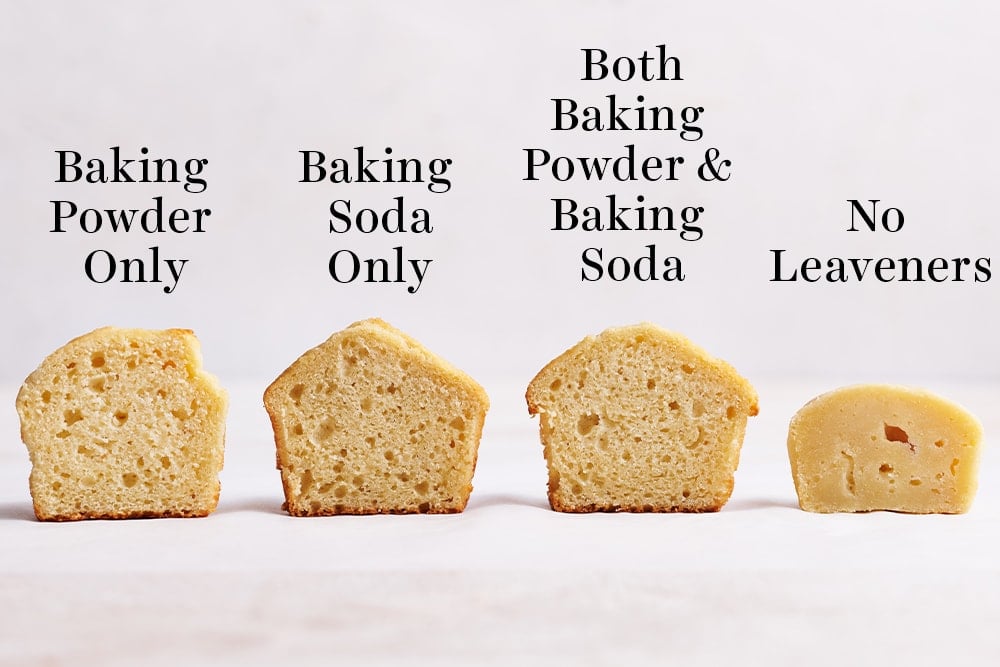
Does Chilling Cookie Dough Work with Cookies Containing Baking Soda as the Leavener?
It’s important to remember that baking soda will begin its chemical reaction when it encounters the acidic components of the cookie dough (brown sugar, in the case of most chocolate chip cookies), and baking powder will react to the liquid in the dough. Both occur before the dough hits the heat of the oven. Baking soda will alter the dough’s pH to help promote some spread and browning when the dough is baked. Since cookie dough is relatively low in moisture (compared to muffin or cake batter), the chemical reactions occur more slowly anyway. Also, cookies rely less on leavening than say muffins or cakes. That’s why we see an improvement in the taste and texture when chilling cookie doughs! Read more about Baking Soda vs. Baking Powder here!
So what do you think? Will you chill your dough next time? Will you do a side-by-side experiment?
Be sure to post on Instagram and tag @handletheheat if you do!
More Cookie Science Articles:
- Best Baking Pans
- The BEST Cookie Scoops (Plus How and Why to Use One!)
- How to Cream Butter & Sugar
- How to Freeze Cookie Dough (& bake from frozen)
- Everything You Need to Know About Sugar in Baking
- Gingerbread Cookies
This post was originally published in 2020 and has been updated with additional tips and Baking Science information.


If I leave the dough in the mixing bowl to chill, or scoop them out onto a cookie sheet, should I cover them?
Hi Gregory! Yes, cover the dough with plastic wrap when it’s in the fridge, to prevent it from drying out. I hope that helps!
Would it be okay to chill the dough in the fridge for only an hour or two?
Hi Gregory! An hour or two will help a little, but 24-72 hours in the fridge produces the best results. Happy baking 🙂
If I leave eggs out to come to room temperature for baking, but then change my mind and put them back in the refrigerator, are they still ok to bring to room temp the next day, or should I throw them out and use new eggs?
Hi Denise! It really depends on the temperature of your kitchen! If they’ve been out at a temp higher than 70°F, we wouldn’t recommend reusing them. Here is what the USDA recommends, but we’ll leave the final say up to you. Personally, if I’ve left eggs out to come to room temp but choose not to bake with them, I’ll just use them for scrambled eggs instead! That way I always know I’m using fresh eggs in my bakes. I hope that helps!
Hi! If I wrapped the dough whole and refrigerated for 24 hrs. How long should I let sit before I can scoop and bake?Should they still be slightly cool when I bake the cookies ?
Hi Elise! The length of time it will take for your cookie dough to become malleable enough to scoop depends entirely on the cookie dough itself, and the ambient temperature of your kitchen. Sometimes it can take 20 minutes to be scoopable, other times over an hour. Keep checking and scoop when it’s just soft enough to scoop without damaging your cookie scoop. If your cookie dough gets soft again, it is best to re-chill before baking, to ensure nice, thick cookies. Try scooping enough for one tray, then chill that tray while your oven preheats, and bake once the dough balls feel firm again. I hope this helps! Happy baking 🙂
Would you be able to post a picture of how you seal your balls of cookie dough – “to a single layer in an airtight container or cover very tightly with plastic wrap.” Could you put parchment paper between the layers to stack them?
Hi Wendy! Unfortunately, we’re unable to post pictures here; however, you can absolutely use parchment paper between layers to stack them once the dough is frozen so they keep their shape. We like to freeze cookie dough balls on a half-sheet baking pan for about 30 minutes-1 hour (until firm) before adding them to the airtight container. I hope that helps!
I like to incorporate chilled browned butter for my cookies. A recipe that I used said it’s better to let the butter chill for 24 hours before creating the dough. If I were to use your method for chilling the dough for 72 hours, would it be necessary to chill the browned butter for 24 hours as well or would it be ok to use once the butter is solidified in the fridge?
Hi Amber! You could add the butter as soon as it’s chilled – chilling brown butter for 24 hours may enhance the flavoring a bit, but it’s not necessary. We actually use brown butter that’s been brought to cool room temperature in our Browned Butter Toffee Chocolate Chip Cookies, and that dough is then chilled for 24-72 hours prior to baking. I hope that helps! 🙂
Thank you! Yes, that does help!
With refrigerated cookie dough balls…is the cook time significantly different when baking straight out of the fridge, or should I let them come to room temp and bake normal recipe amount?
Hi Tina! If your dough balls are very large, you may need to add an additional minute or two, but we don’t typically find it necessary to extend the bake time with chilled dough. Just bake straight from the fridge! Happy baking 🙂
Didn’t see in comments if anyone asked whether gf flour would work. Would GF flour work for this recipe? Thanks!
Hi Jean! We haven’t experimented with gluten free flour much ourselves, so I can’t say for sure – but maybe one of our other readers will be able to help 🙂
Yes. Same reaction with Gluten Free.
Do you get the same effect if you refrigerate for 24 hours, portion (and cover in plastic wrap) then refrigerate for another 48 hours before baking? Or, does the dough all need to marinate together? Thank you!
Hi Angela! As long as your dough balls are well-wrapped in plastic wrap, you can scoop right away and chill the dough for 24-72 hours right off the bat, if you prefer – or you can absolutely do it the way you described, too! Whatever’s easiest for you – the most important thing is just to keep the dough protected from the dryness of the fridge, so the dough can ‘marinate’ without drying out. Happy baking! 🙂
this was fabulous information!! Thank you very much.
After you keep it in the fridge how long do you bake it for?
Hi Catherine! No changes to the recipe’s suggested bake time are needed, unless you’re freezing the dough 🙂 Happy baking!
Hi Tessa! I often flatten then refrigerate my cookie dough, then use a knife to cut it into pieces before putting it in my cookie sheet to bake. What do you think? It saves a lot of time!
Hi Susan! That method sounds like it’s working for you, so that’s great! Tessa and our team all prefer to scoop our dough using a spring-loaded cookie scoop, as we find that very easy, and it makes it quicker to achieve perfectly round cookies. We are about to release a cookie kit, containing everything you’ll need to achieve this!! Find out more here! Happy baking 🙂