





This post may contain affiliate links. Read our disclosure policy.









Tessa’s Recipe Rundown
Taste: Cinnamon sugar bliss.
Texture: The best part! Super soft and chewy, with slightly crisp edges.
Ease: Crazy simple to make.
What You’ll Love About This Recipe: It’s one of those superlative BEST recipes you’ll adore having in your back pocket.
This is the only Snickerdoodle recipe you’ll ever need!
I adore the classic cinnamon sugar flavor, but the true magic of these cookies is the texture.
Let’s just say there were dozens of snickerdoodles made to get the final recipe perfected.
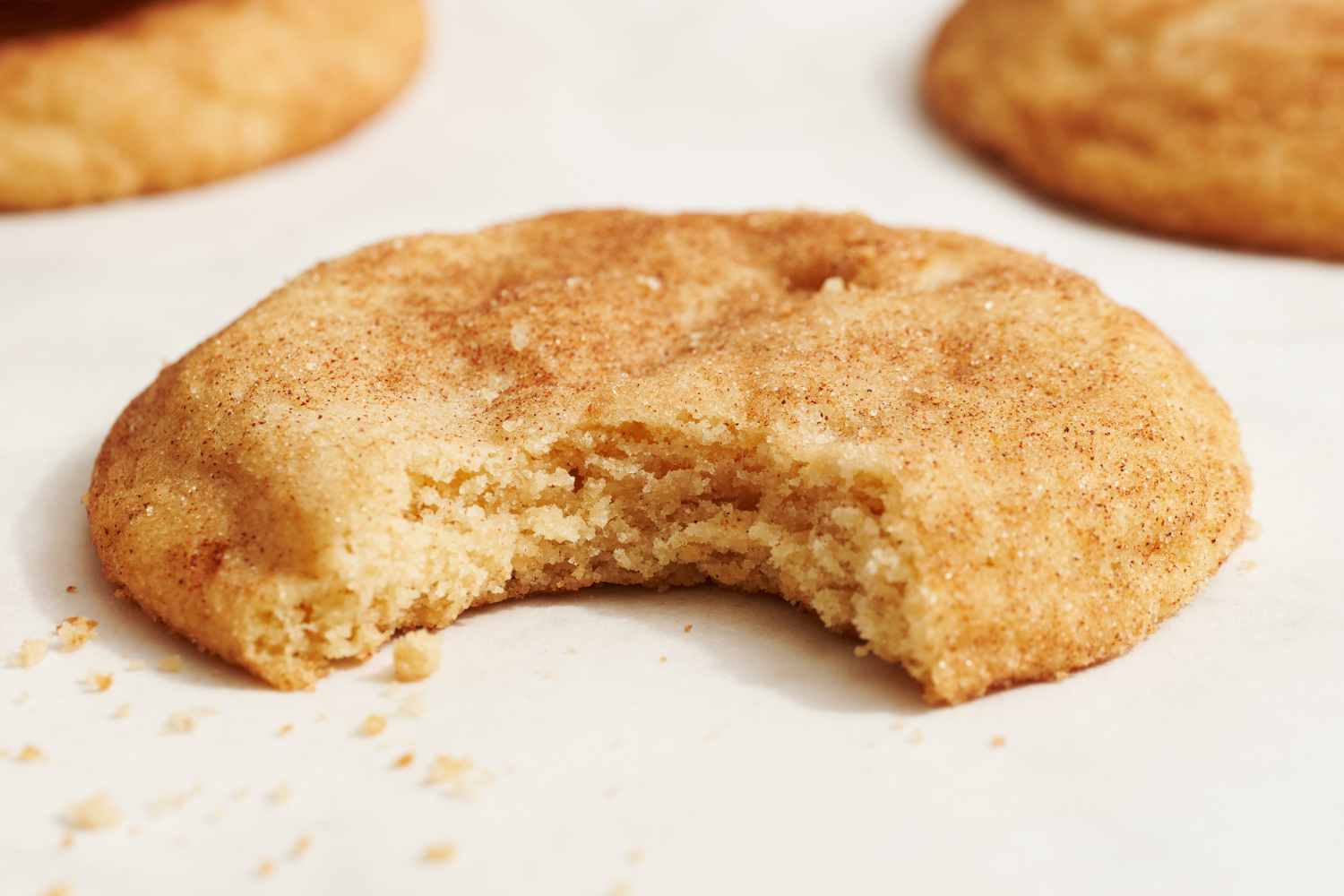
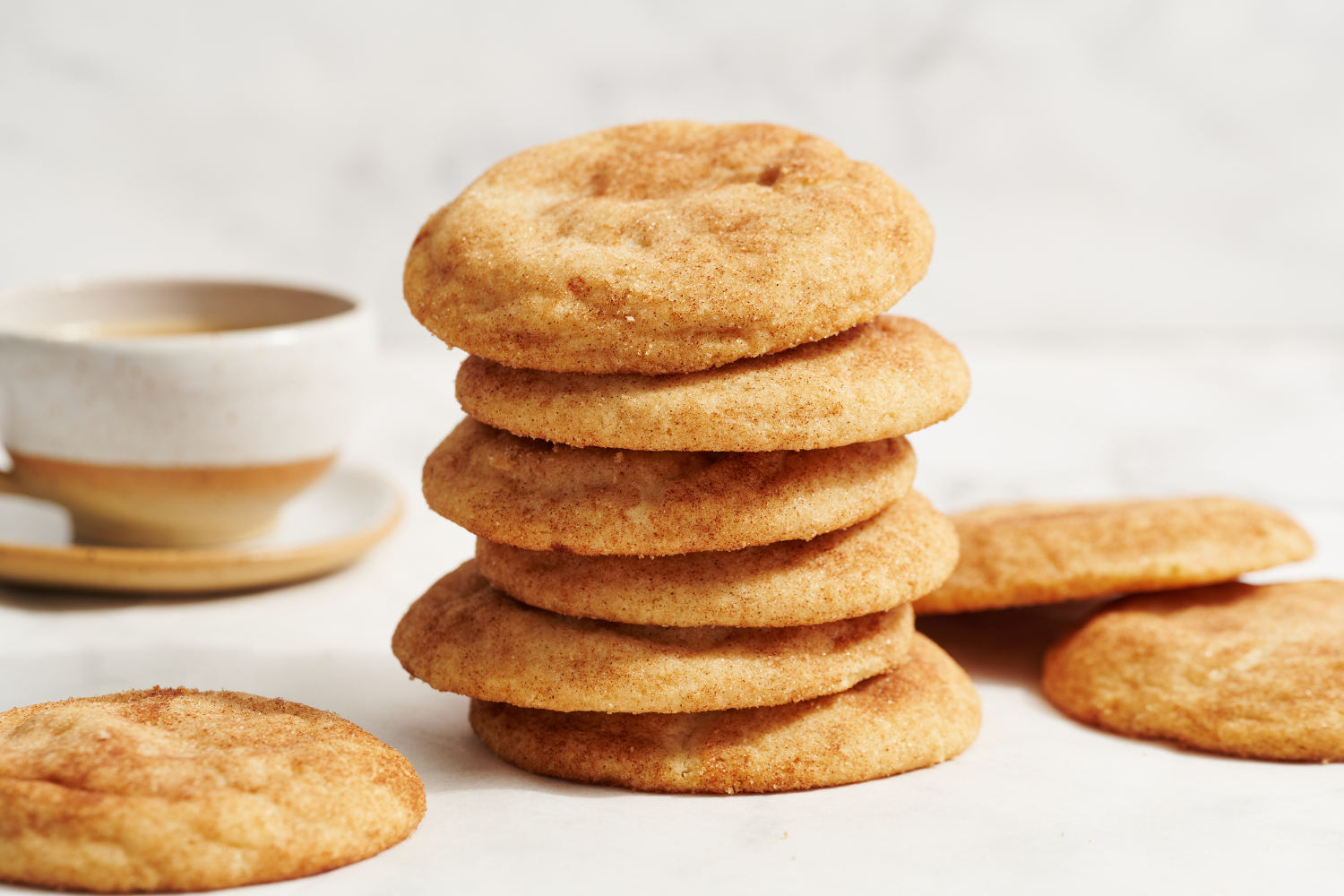
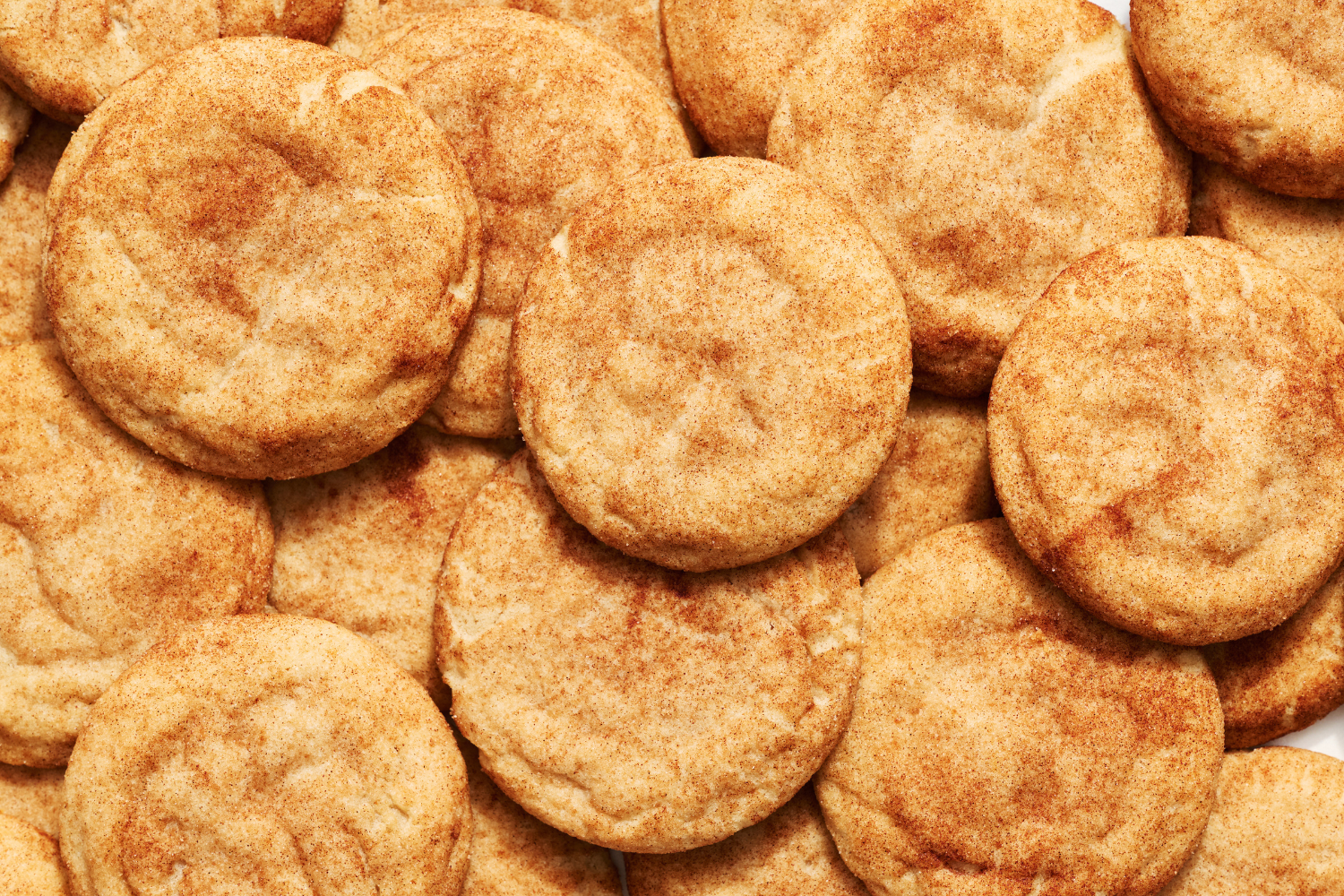
The result? These cookies are ultra thick, beautifully soft, perfectly chewy, with slightly crispy edges, for the most texturally perfect, satisfying cookie of all time.
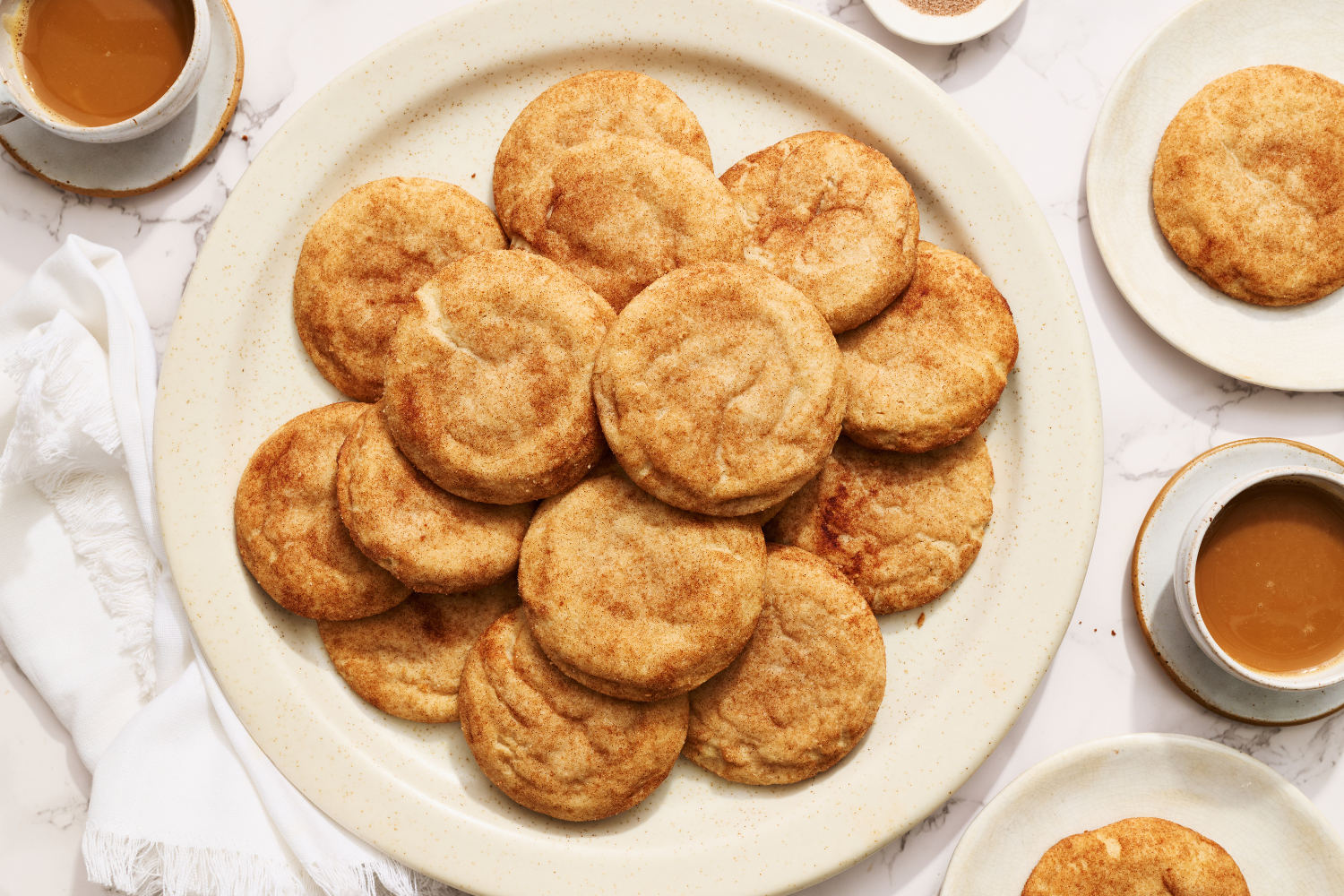
The best part is that they’re super easy to make! They require a couple of ingredients you might not have on hand, but I’ve included some alternatives below to avoid an extra grocery store trip.
Why is There Coconut Oil in This Snickerdoodle Recipe? Can I Use All Butter?
- I use roughly half butter for flavor, half coconut oil for texture.
- This “secret” ingredient helps achieve an unparalleled soft & chewy melt-in-your-mouth texture.
- Note that refined coconut oil won’t add any flavor, whereas unrefined coconut will add a hint of coconut flavor.
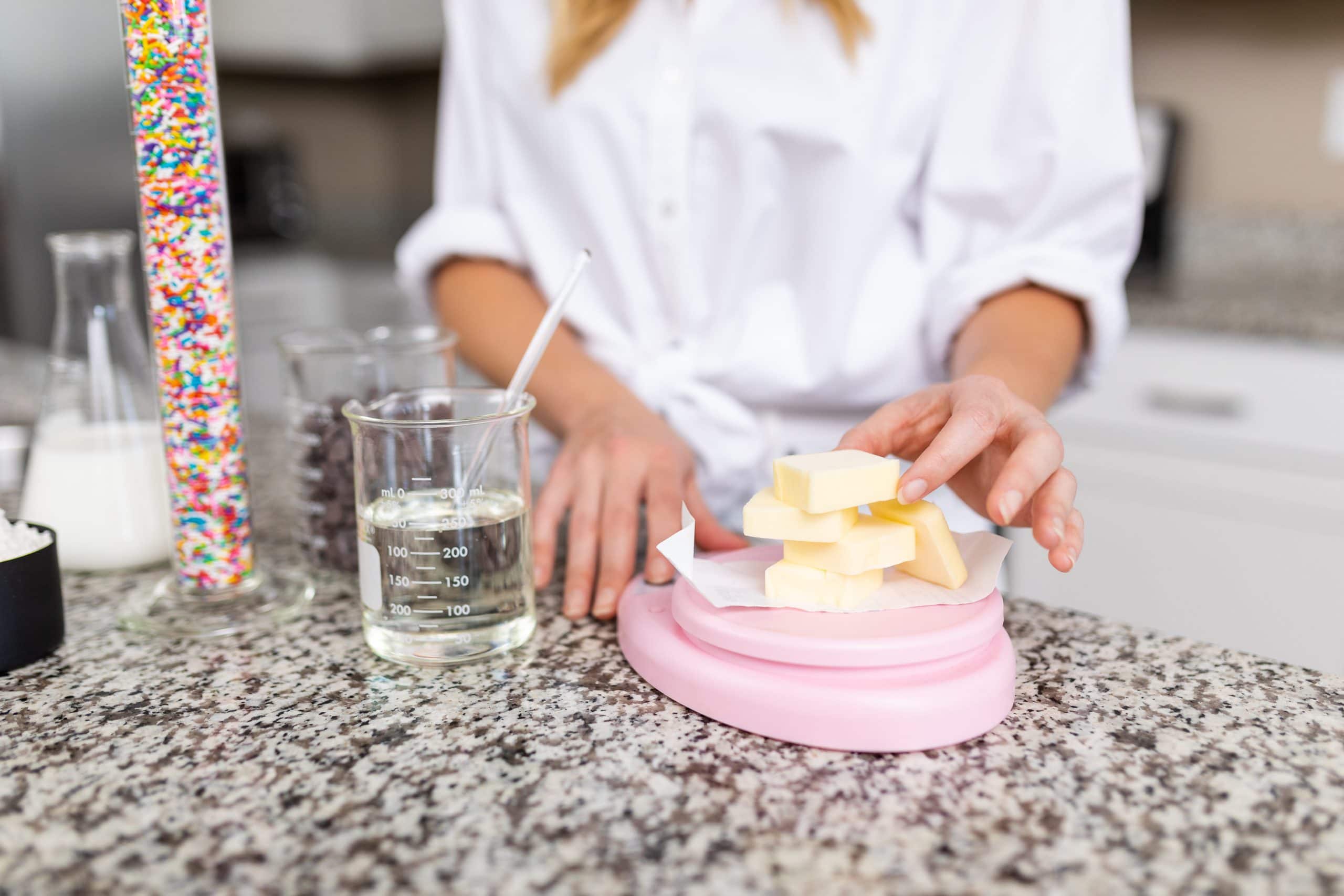
- Use coconut oil that’s solid or very slightly creamy in consistency but not melted. It’s easier to measure by weight with a scale.
- You can use all butter in this recipe, but your cookies will be less soft and chewy. They’ll be crunchier at the edges, and the cookies will become crunchier the longer they sit.
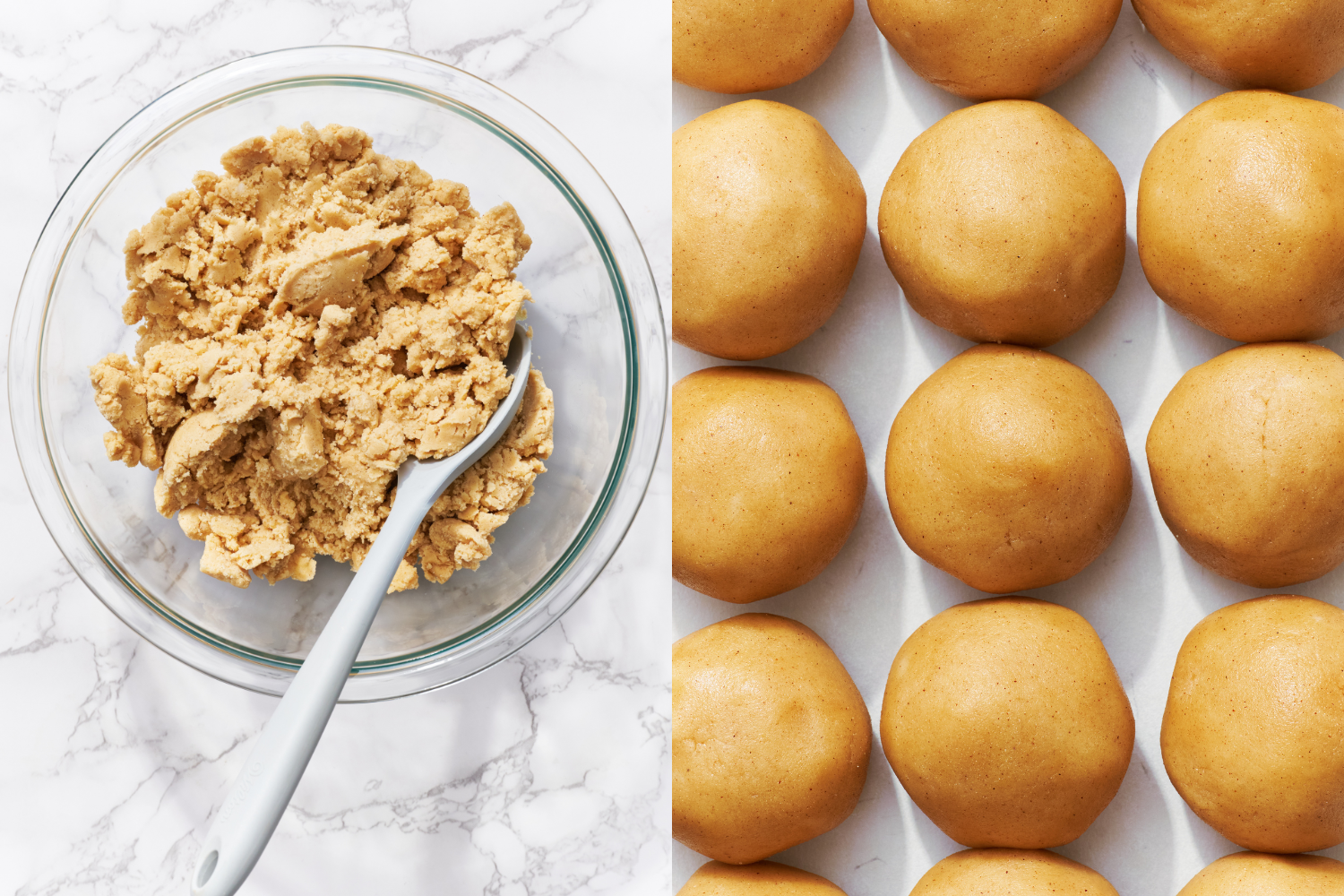
Sprinkle of Science
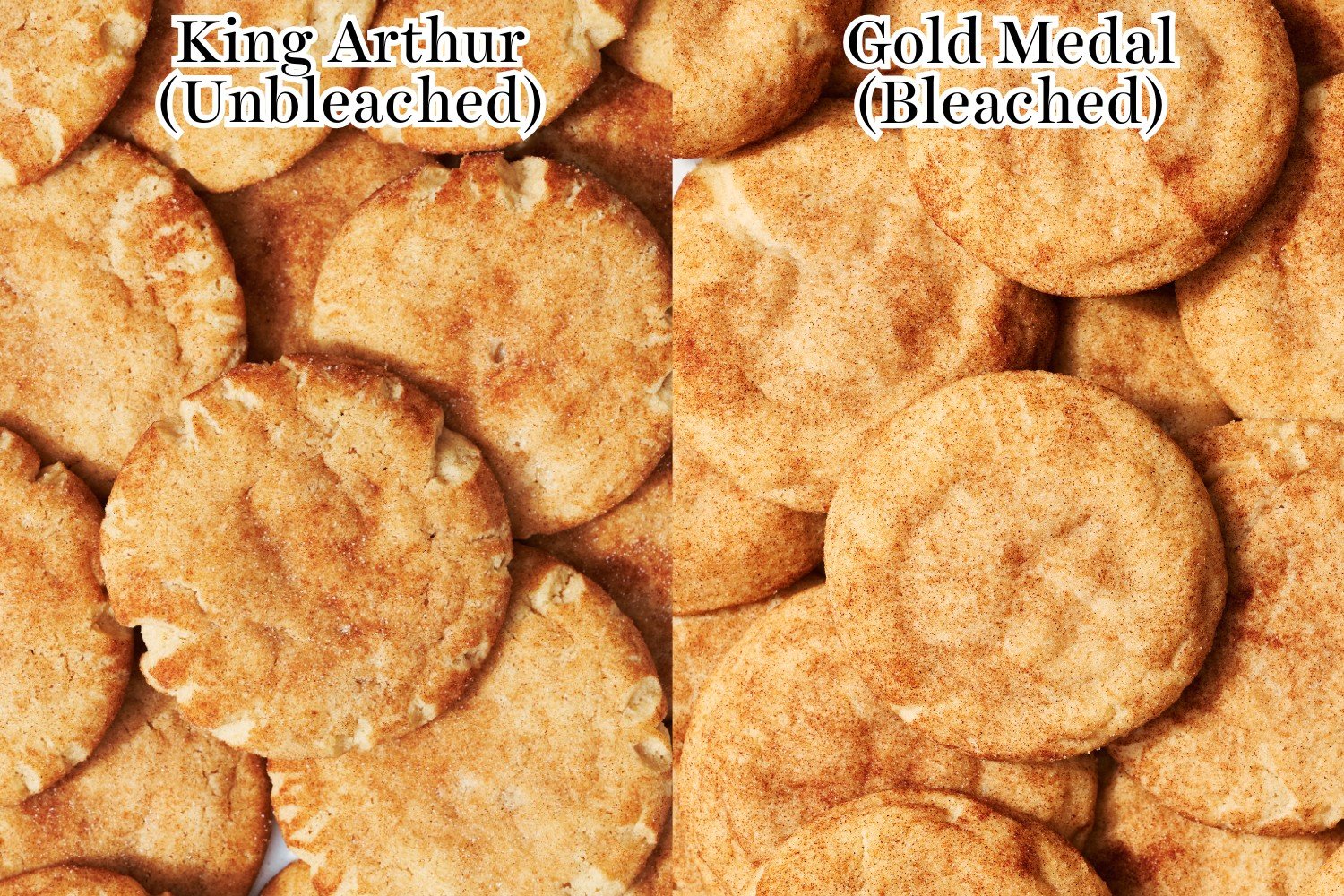
In testing, I found the best results came from using bleached all-purpose flour, which absorbs moisture more readily. When using King Arthur unbleached flour, the cookies weren’t as soft and moist and had dry edges. If using KAF, reduce the amount of flour by 2 tablespoons.
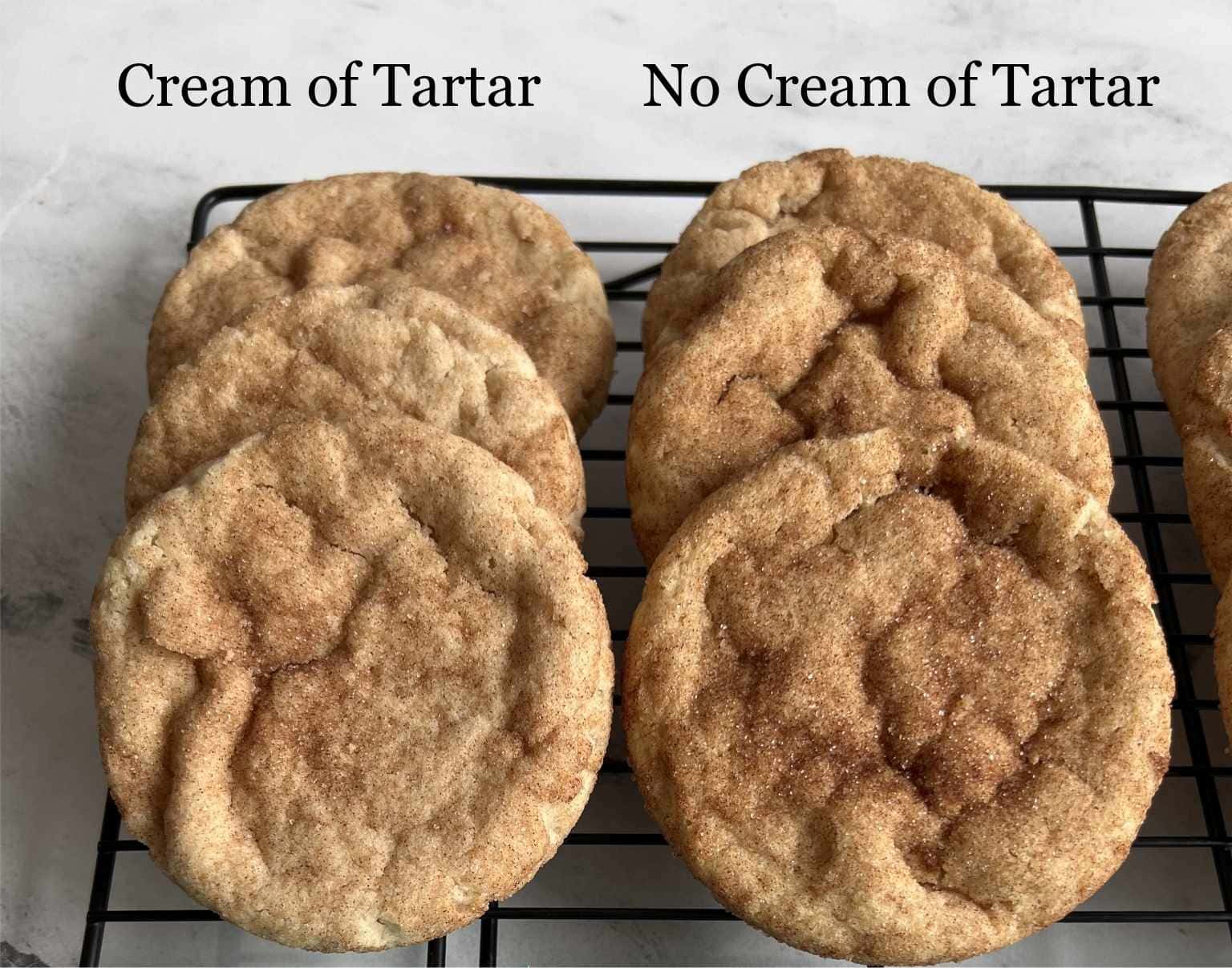
I experimented with and without cream of tartar when creating this recipe:
- Using cream of tartar created cookies that were chewier.
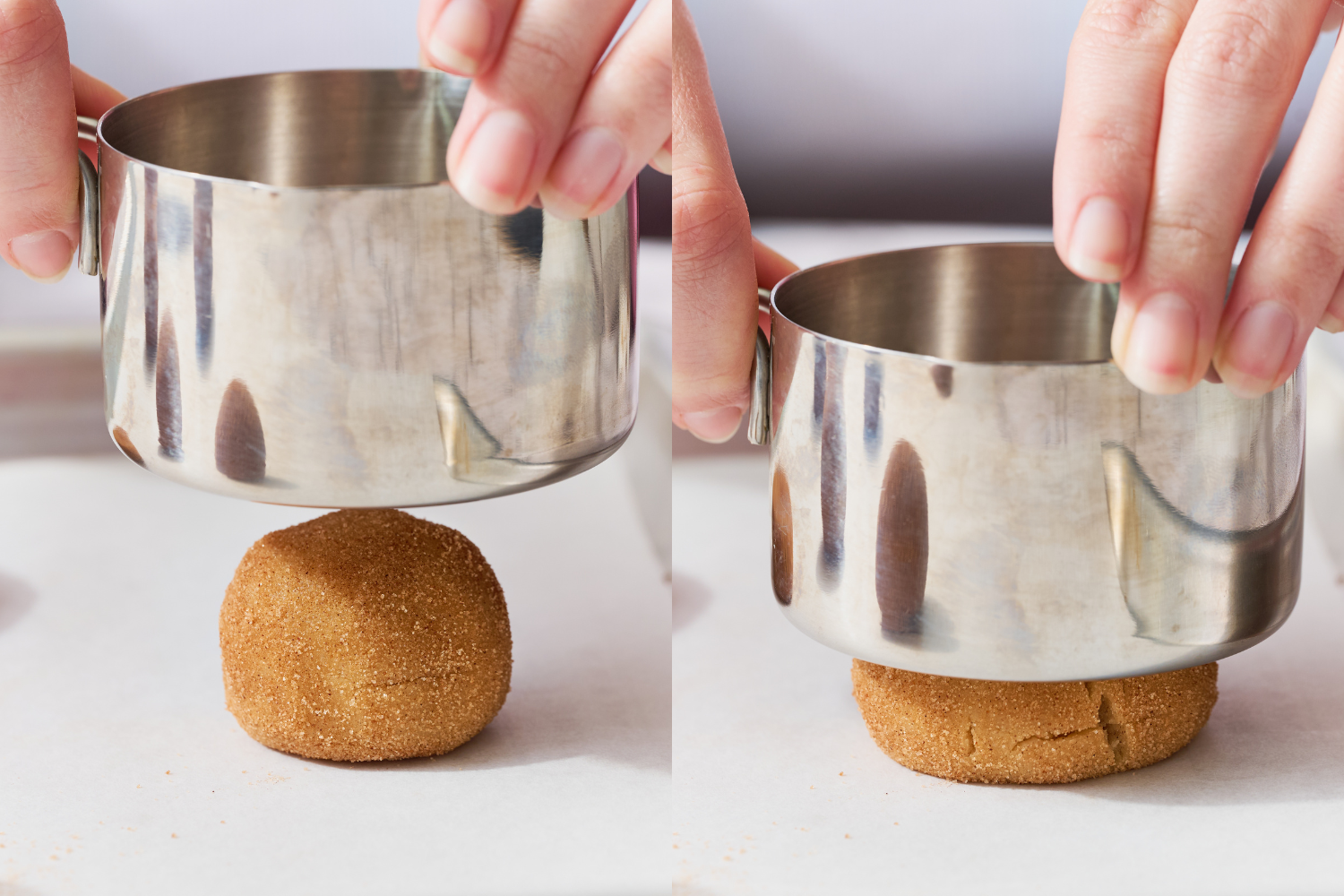
- The batch without cream of tartar didn’t crinkle as much on top as the batch containing cream of tartar. However, this was fixed by swirling the still-hot cookies with a round cookie cutter.
- I didn’t notice any flavor differences, as the cinnamon sugar flavor overshadows the tanginess.
While I still recommend using cream of tartar for the best texture, if you don’t have it on hand, simply omit it! Your cookies will still taste great.
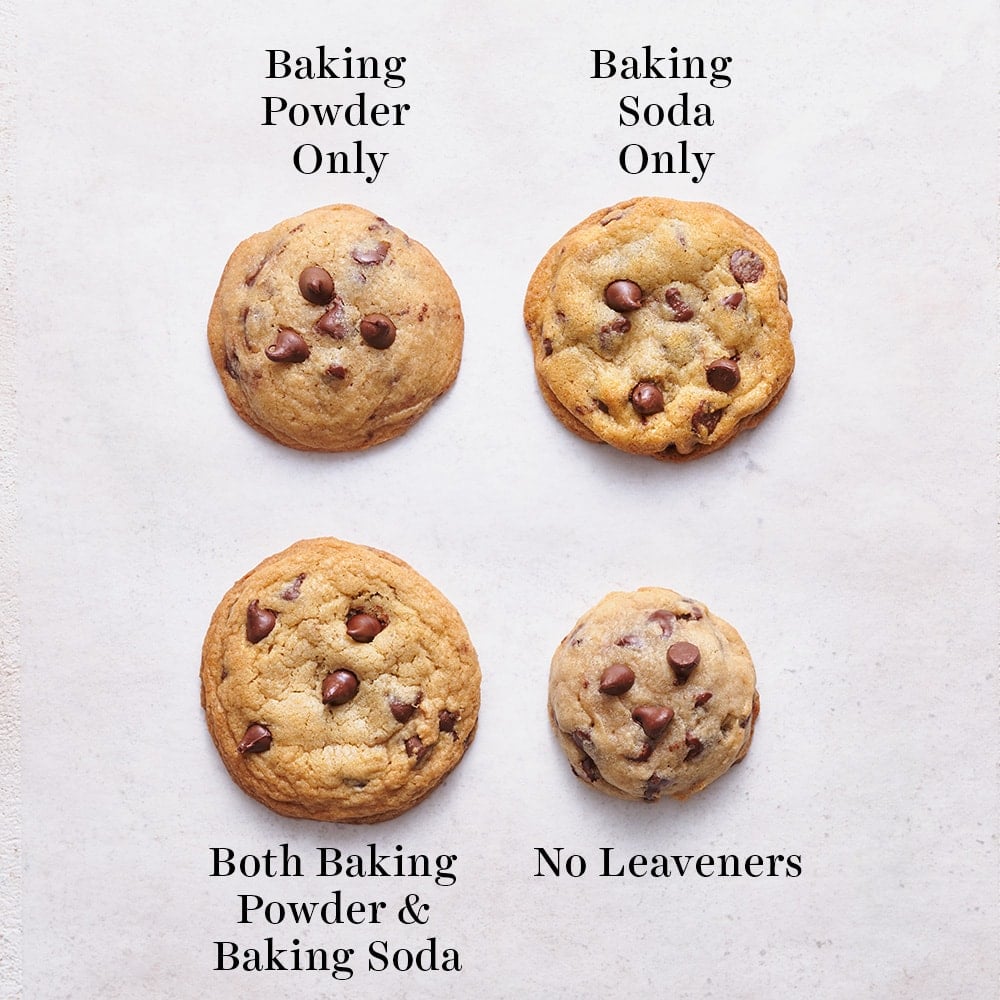
Read Next: Baking Soda vs. Baking Powder
How to Make Perfectly Soft, Chewy Snickerdoodles
- Measure your flour correctly. Be sure to measure your flour correctly by weighing with a digital scale or with the spoon and level method to avoid cakey, dense, or tough Snickerdoodle cookies that don’t spread. Learn more about how to measure flour correctly here.
- Don’t overbake. Take these cookies out of the oven when the cookies are just set and beginning to brown. Overbaking will make these Snickerdoodles hard and dry.
- Use a large cookie scoop. Use a 3-tablespoon cookie scoop for easy portioning. This creates larger cookies that spread out perfectly with ultra-soft centers.
- Use the best baking pans. Use light-colored aluminum half sheet pans lined with parchment paper. Avoid dark nonstick pans as they brown too much and may burn the bottoms of your cookies. Learn more about the best (and worst!) baking pans here.
- Don’t reduce the sugar. Reducing the sugar will ruin the texture of these Snickerdoodles. Sugar does so much more in baking beyond sweetening. Learn more about sugar’s role in baking here.
How to Make Ultra-THICK Snickerdoodle Cookies
Freeze your cookie dough balls while your oven preheats! Thanks to coconut oil’s ability to firm quickly, this brief freezing period is enough to yield ultra-thick cookies. Please note that this may prevent the cookie’s edges from crisping up quite as much.
Do I Have to Chill This Cookie Dough?
No – these cookies will bake up perfectly thick and delicious without a chill period. If you want to chill your dough, you have two options:
- If scooping the dough before chilling, roll the balls in the cinnamon sugar mixture and lightly flatten them before placing in a single layer in an airtight container and chilling. This makes it easier to bake straight from the fridge, but takes up more space in your fridge.
- If chilling as a mass of dough, let come to room temperature before scooping, rolling in sugar mixture, and lightly flattening. Bake at 350°F for about 13 minutes. This slightly lower temperature results in better crinkly tops for chilled dough.
Storage & Make ahead
Room temperature: Store in an airtight container for up to 3 days. Store cookies with a tortilla to keep them soft for longer.
Freezing dough: This cookie dough freezes for up to six weeks. Roll the cookie dough balls in cinnamon sugar and lightly flatten them before placing in a freezer-safe container or in a Ziptop bag. Bake from frozen at 350°F for 13 minutes, or until the cookies are set and begin to brown. Learn more about how to freeze cookie dough.
Freezing baked cookies: I recommend baking from frozen dough for the best texture. If you freeze these cookies already baked, they’ll still be deliciously soft but may lose their crisp edges and chewy texture and the cinnamon sugar might absorb more into the cookie.
FAQs
Yes! A hand mixer will work just as well as a stand mixer – just be sure to use a deep enough bowl to prevent splatter.
If your cookies are spreading into flat cookie puddles, it could be due to warm butter. It’s important to make sure your butter is at a COOL room temperature and your coconut oil is solid. Your stick of butter should give slightly when pressed with your finger but still hold their shape. To be precise, your butter should be 67°F. Learn more about why butter temperature in baking is important here.
As mentioned above, coconut oil helps give these cookies that perfect texture. However, you can replace the coconut oil with additional butter, for a total of 2 sticks (227g) butter.
No, you can skip it and still get great snickerdoodles. They may just be slightly less crinkly in appearance and tangy in flavor.
If you skip adding the cream of tartar, you can still achieve crinkly tops just by swirling a cookie cutter around the outside of the cookies immediately after baking, as shown in this Instagram reel.
You can also ‘pan bang’ the cookie. Immediately upon removing the tray of cookies from the oven, drop it against a heat-safe solid surface from about three to four inches high. Repeat this a couple of times.

Email This Recipe
Enter your email, and we’ll send it to your inbox.
Ingredients
- 2 1/2 cups + 2 tablespoons (331 grams) all-purpose flour
- 3 teaspoons ground cinnamon, divided
- 1 teaspoon cream of tartar*
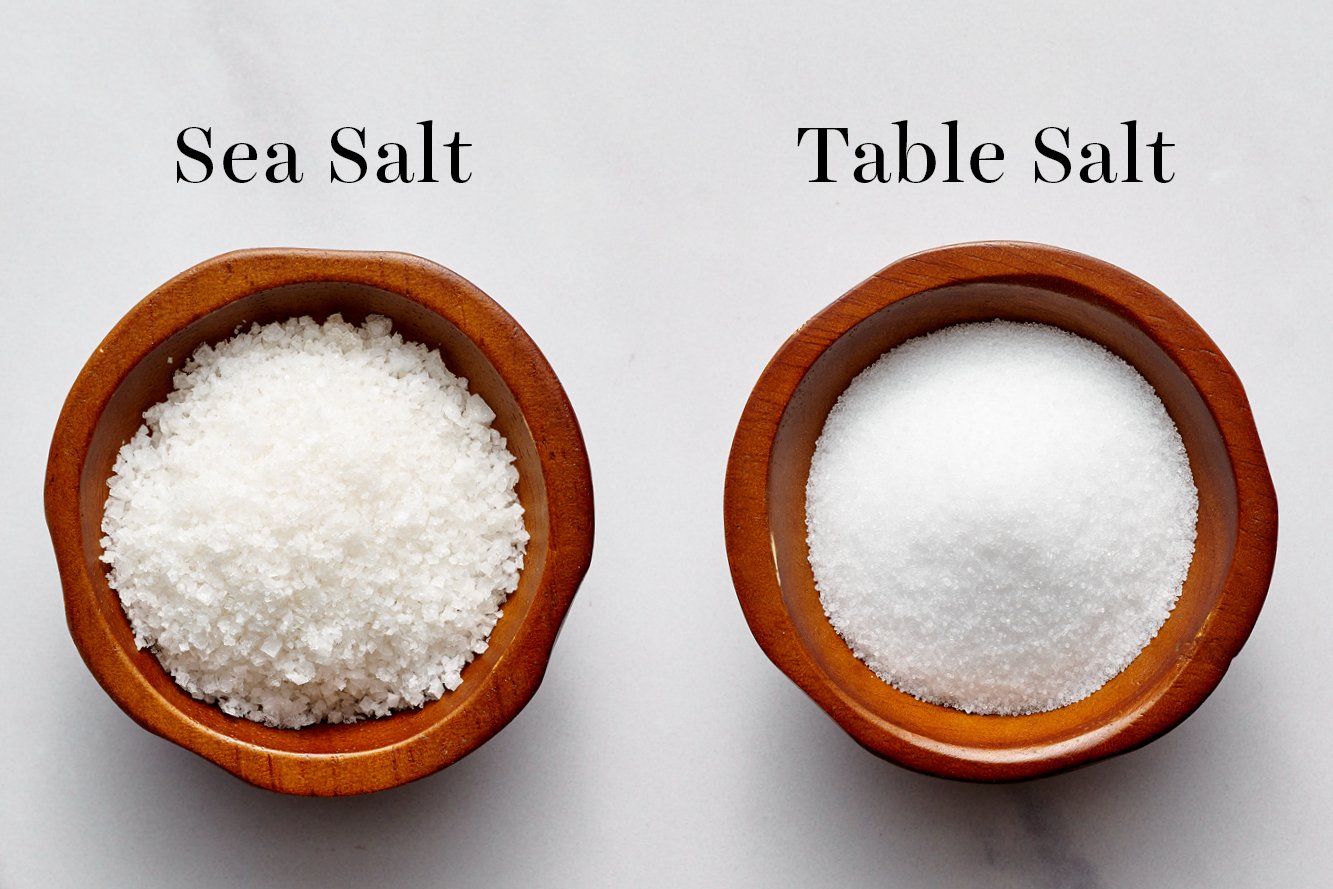
- 1/2 teaspoon fine sea salt
- 1/4 teaspoon baking soda
- 1 stick (113 grams) unsalted butter, at cool room temperature
- 1/2 cup (105 grams) refined coconut oil**, solid yet creamy
- 1¼ cups (250 grams) granulated sugar, plus 1/4 cup (50 grams) for rolling
- 1 large egg plus 1 egg yolk, at cool room temperature
- 1 teaspoon vanilla extract
Instructions
- Preheat the oven to 375°F. Line baking sheets with parchment paper.
- In a medium bowl, whisk together the flour, 1 teaspoon cinnamon, cream of tartar, salt, and baking soda to combine. Set aside.
- In a large bowl, use an electric mixer fitted with the paddle attachment on medium-high speed to cream the butter, coconut oil, and 1 1⁄4 cups sugar until light and fluffy, 2 to 3 minutes. Scrape down the sides and bottom of the bowl. Add the egg, egg yolk, and vanilla and beat until combined. Slowly beat in the flour mixture.
- Combine the remaining 1⁄4 cup sugar and 2 teaspoons cinnamon in a shallow dish.
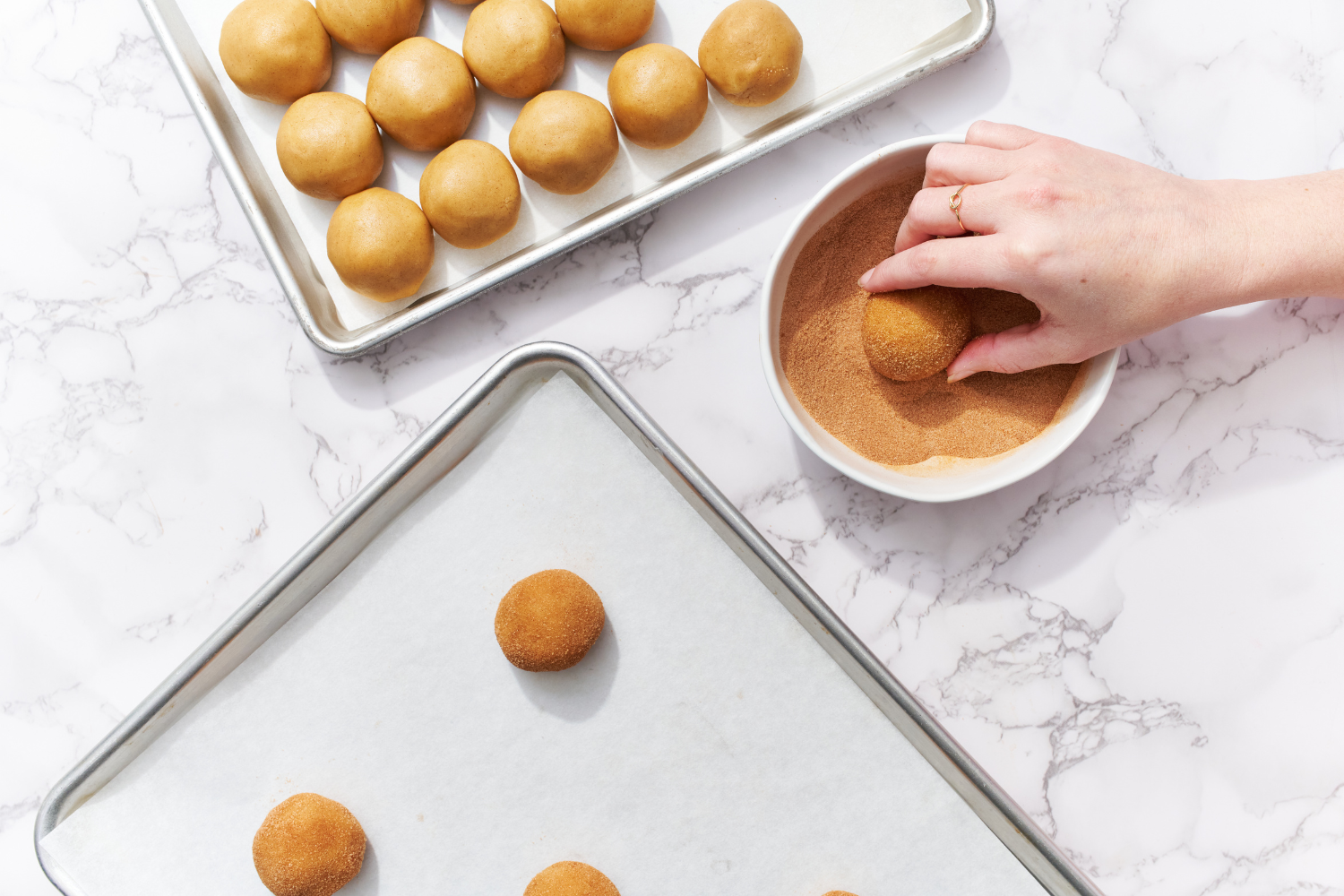
- Using a large 3-tablespoon spring-loaded scoop, divide the dough into balls then roll in sugar to coat evenly. Place the dough balls on the prepared baking sheets, spacing 2 inches apart, and lightly flatten with the bottom of a measuring cup. Sprinkle with additional cinnamon sugar, if desired.
- Bake for 10 to 12 minutes, or until the cookies set and begin to brown. Cool for 5 minutes before removing to a wire rack to cool completely.
- Cookies can be stored in an airtight container at room temperature for up to 3 days.
Notes
More Cookie Recipes You’ll Love:
Photos by Joanie Simon.


I made these and they are my go to snickerdoodle from now on. The only difference is I use diy apple pie spice in the cinnamon sugar topping. Makes them very unique.
What a great idea, yum!
Hi Tessa, I love your recipes! You are absolutely adorable! I love your Bakery style Chocolate chip, they are so good! I had to me forsake my old recipe. I love how you teach with every recipe, I learn so much about how to get better flavor in my cookies, Thank YOU! I have made your Snickerdoodles before and they are Amazing! Everyone loves them, no matter what the age. My question is – Can I use a G-free flour, like 1- 1? A friend has a child that is allergic and wanted to make some that he can enjoy with everyone, thanks again for your website! Big Blessings to YOU 🙂
Thank you so much for the kind words! I’ve personally not tested out a GF 1:1 flour swap, but I think it would work just fine. Let me know how it turns out!
Thanks for this recipe. I can’t wait to try this!
If I omit the Coconut Oil, what would be the Butter measurement?
The best Snickerdoodles I have ever made and/or eaten were made with sourdough discard. The absolute best. I don’t keep sourdough starter around anymore so I’ve been looking for a really good snickerdoodle recipe. I’m going to give it a try. It looks like it will be delicious!
Let us know what you think when you give it a try! 🙂
After you freeze the prepared dough, to bake it, is the temperature still 375 ?
Hi Jackie! If you’re looking for ultra-thick Snickerdoodle cookies, freezing the dough and then baking at 375°F will give you that thick texture. If you’d prefer a thinner (regular) Snickerdoodle, you’ll want to bake from frozen at 350°F for about 13 minutes, or until the cookies are set and begin to brown.