




Tessa's Recipe Rundown
TASTE: Warm molasses and cozy holiday spices, balanced so they’re flavorful without being too sharp.
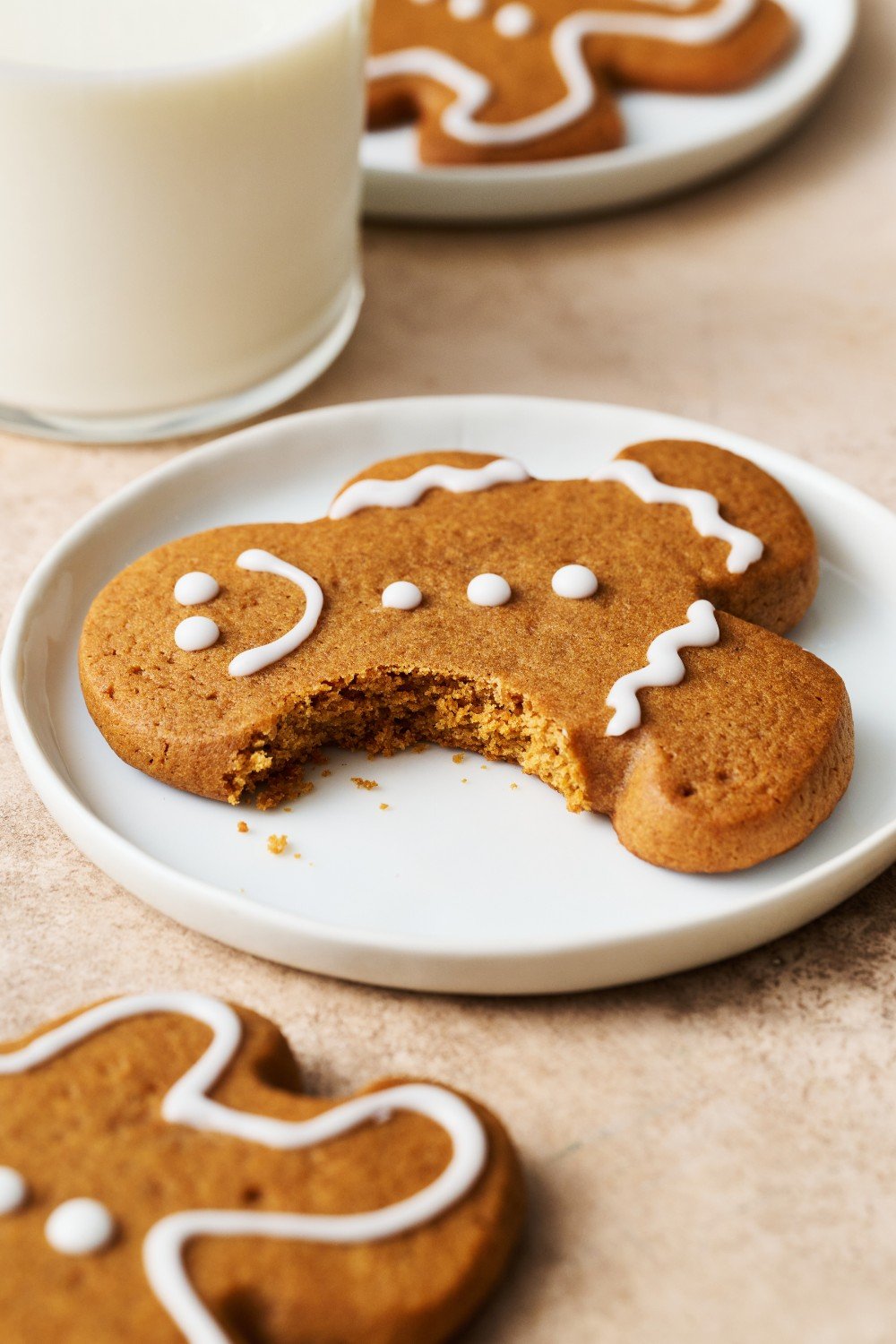
TEXTURE: Soft and chewy centers with clean, sturdy edges that hold their shape beautifully when cut out and decorated.
EASE: This simple, reliable dough mixes quickly and rolls cleanly.
Why You’ll Love This Recipe: The perfect cut-out gingerbread cookie — full of festive flavor, soft bite, crisp details, and endless decoration options.
This post may contain affiliate links. Read our disclosure policy.


There’s something about baking holiday cookies that warms my heart. The smell of molasses and cozy spices wafting through the house sets the perfect holiday mood. For this recipe, I’ve found the perfect balance: soft yet sturdy, and warmly spiced without being overpowering.
Get ready to add it to your Christmas rotation, because it’s sure to become a household favorite. If you love a deeper chocolate twist on holiday spice, you may enjoy my Chewy Chocolate Gingerbread Cookies.

Reader Love
These were absolutely perfect. They were chewy, spicy, rolled out well, cut cleanly, and looked and tasted fabulous. This is definitely going to be a December recipe every year!
–

Reader Love
Another 10/10 recipe! These gingerbread cookies were perfection and SO simple to make. The perfect holiday treat. Delicious all around. My mom even said it was the best gingerbreads she’s ever had☺️
–
Ingredients You’ll Need
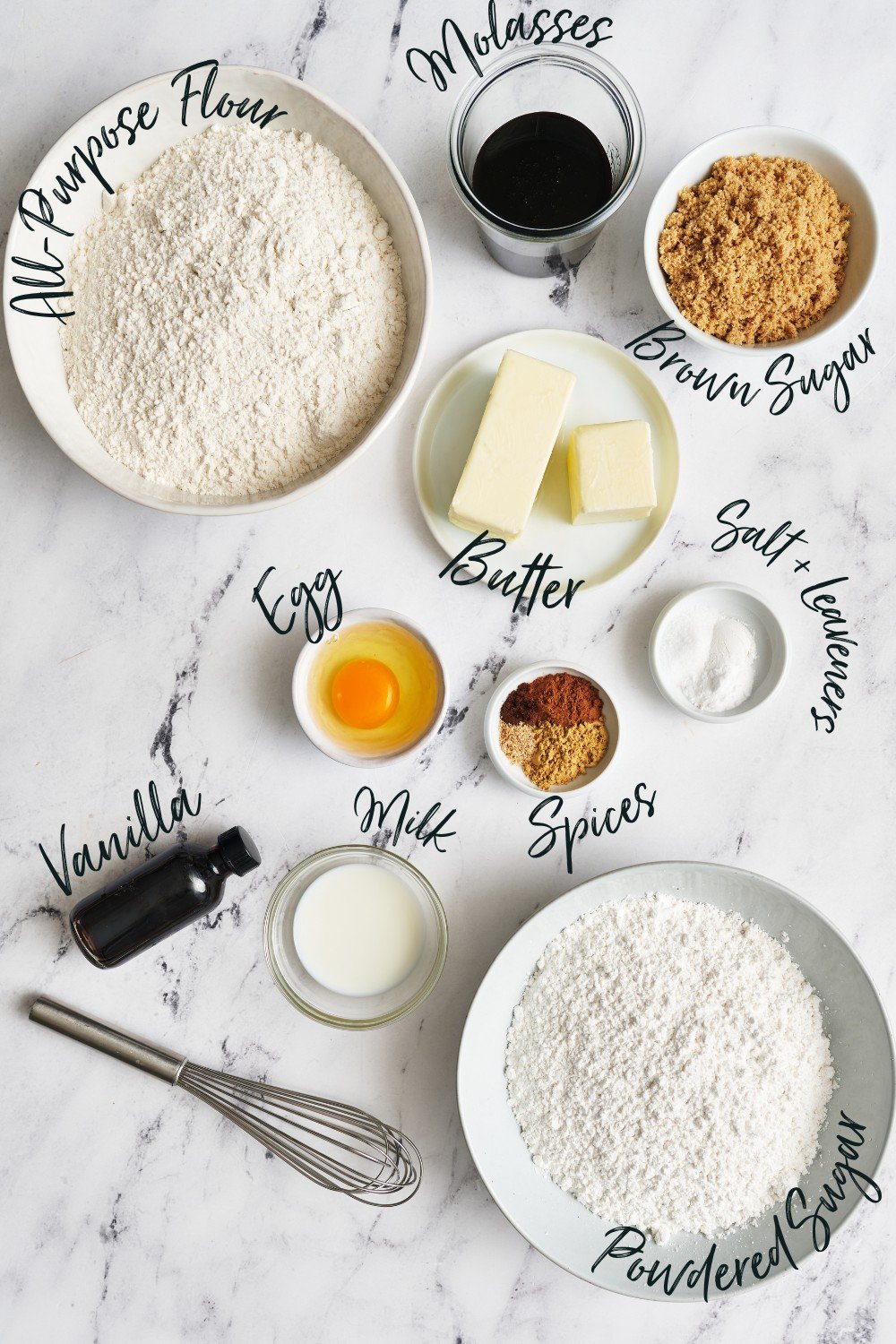
This recipe comes together with a few key ingredients to create the perfect gingerbread flavor and chewiness in every bite.
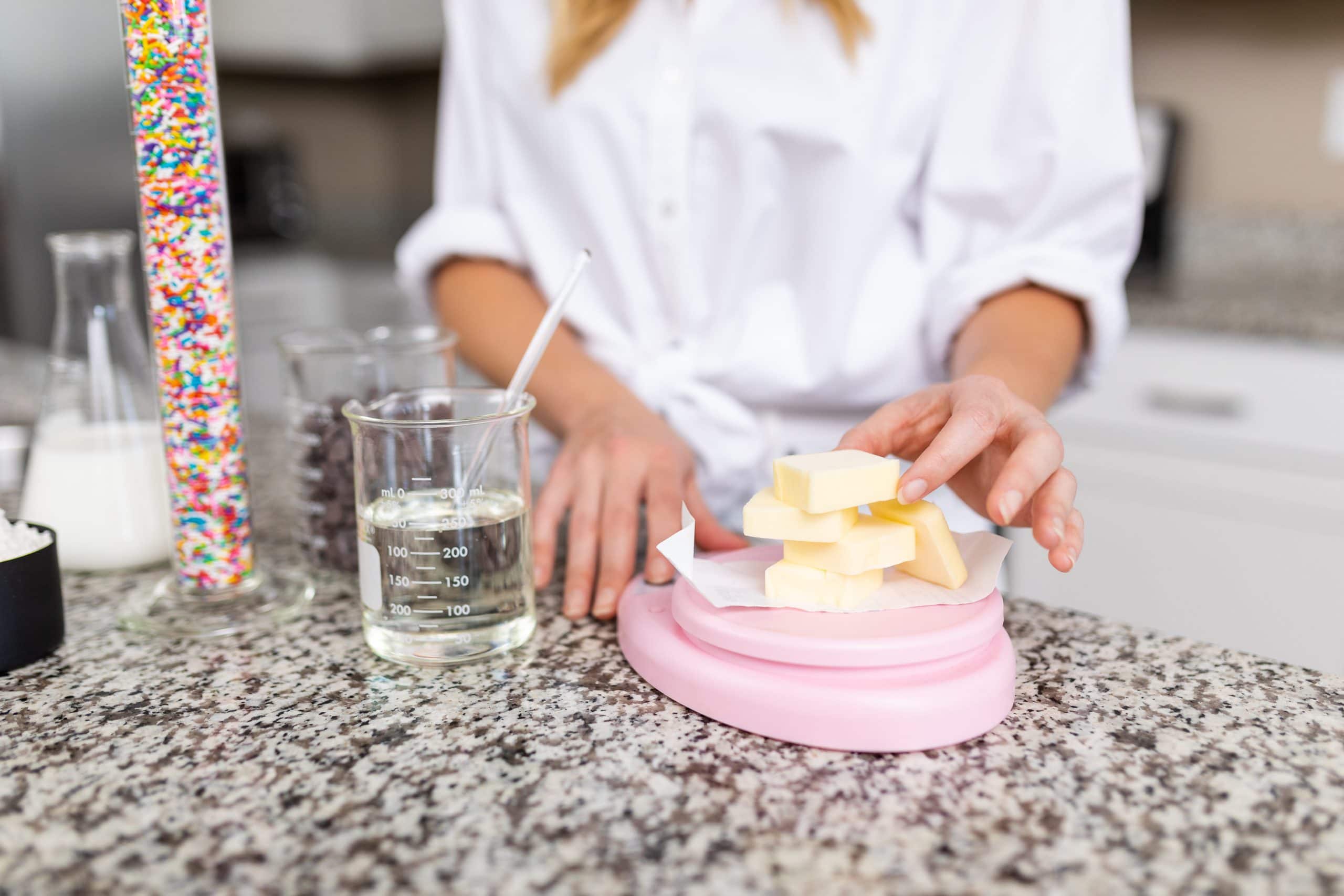
- All-purpose flour: Make sure to properly weigh the flour to avoid thick, cakey, or dry gingerbread. I recommend using a digital kitchen scale, but you can also use a spoon and measuring cup to follow the spoon and level method.
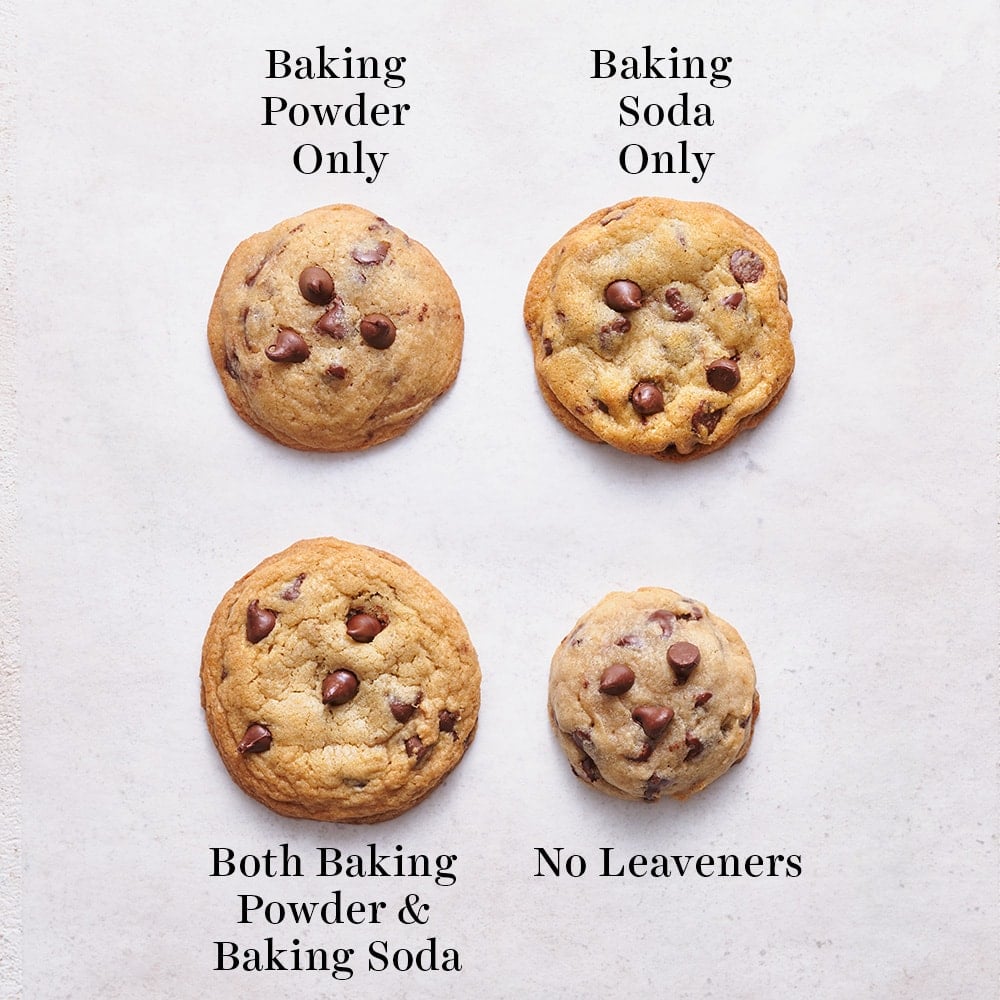
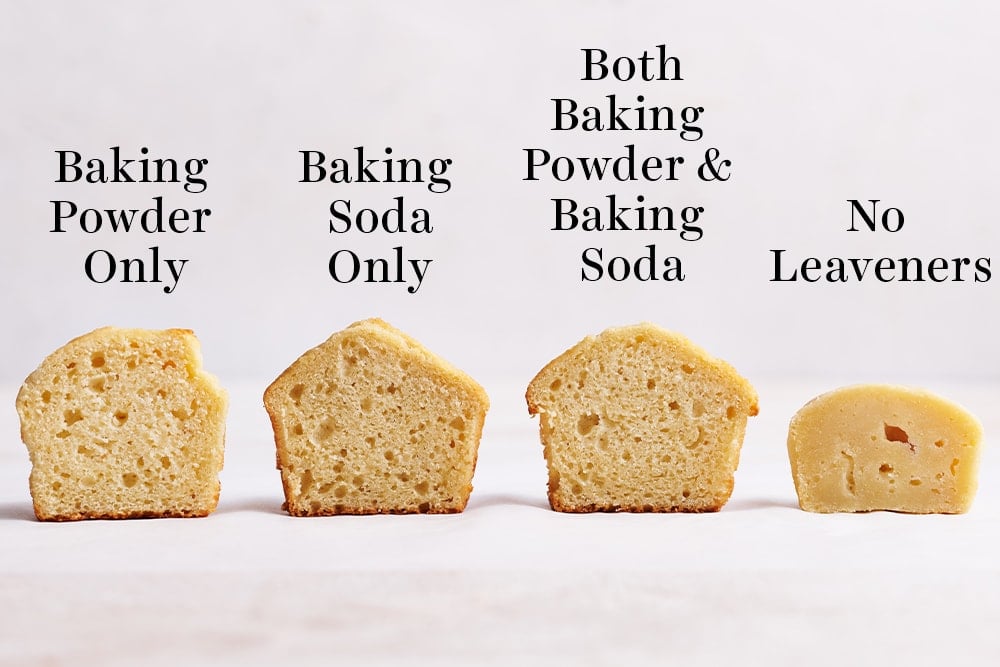
- Baking powder and baking soda: These leavening agents help control the spread, lift, and overall texture of the cookie. Make sure they’re fresh for best results!
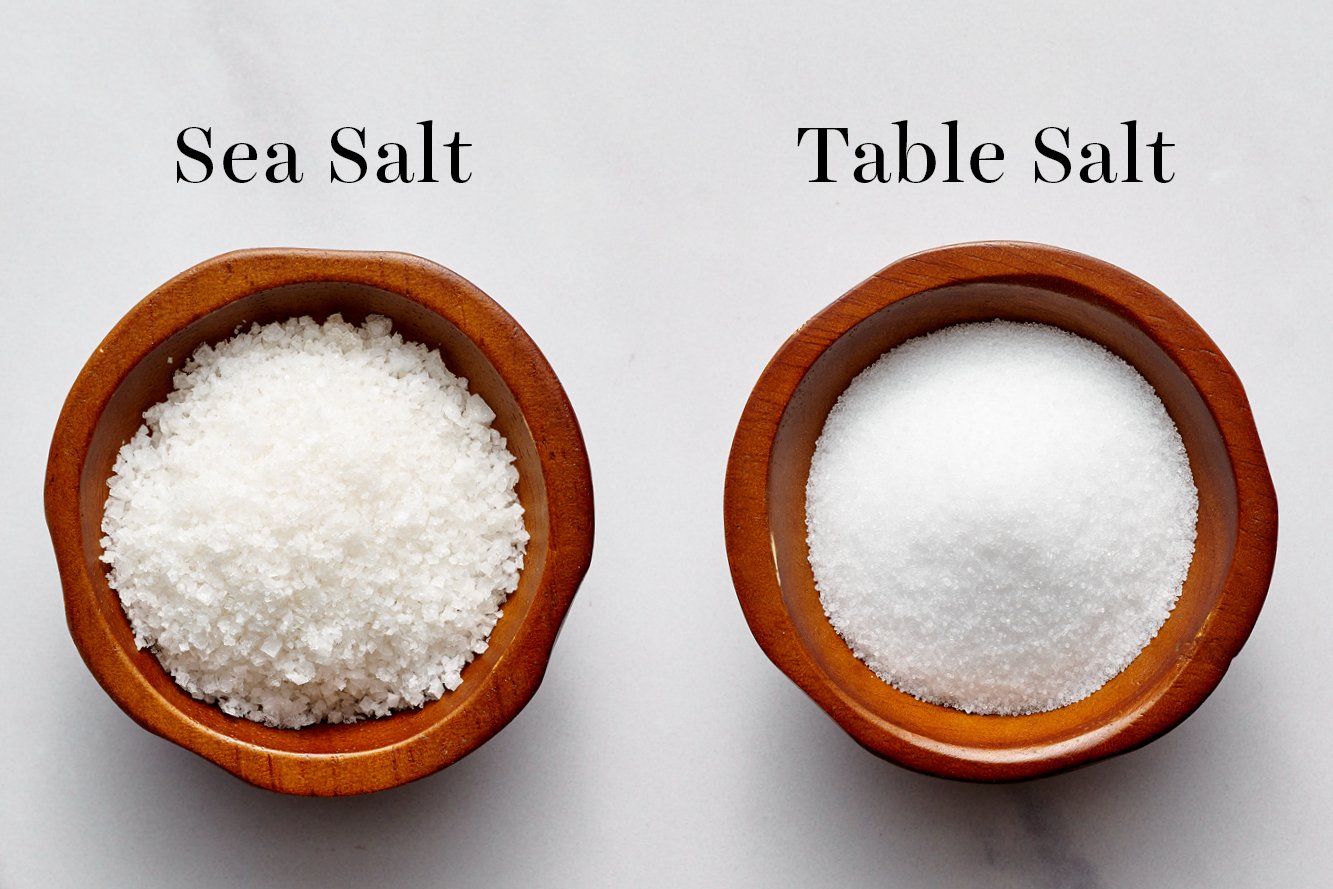
- Salt: Salt balances the warm spices, molasses, and brown sugar, keeping everything in harmony. I prefer fine sea salt, but you may also use table salt.
- Spices: Like baking powder and baking soda, spices should also be fresh, as older spices tend to lose their flavor — toss any that have expired.
- Unsalted butter: It’s best to use butter that is at room temperature. Too-warm butter can cause cookies to spread. Around 67°F is perfect.
- Light brown sugar: This helps create that deep, golden-brown hue that gingerbread is known for.
- Egg: The egg helps hold all the ingredients in place, giving the dough structure so the cookies don’t crumble.
- Molasses: Be sure you’re using unsulphured (not blackstrap) molasses. I use Grandma’s brand. Sulphured molasses can leave a sharp, chemical, or slightly bitter taste. Unsulphured molasses has a clean, rich, slightly sweet flavor. Use dark molasses (also called “full flavor”) for a deeper flavor or light molasses for a milder one.


Sprinkle of Science
How to Make Gingerbread Cookies
This classic dough comes together simply and rolls out beautifully for clean cut-outs. It’s one of my favorite, reliable Christmas cookies that’s easy to make, thanks to a few helpful tips. Here’s how to do it, step by step.
Make the Dough
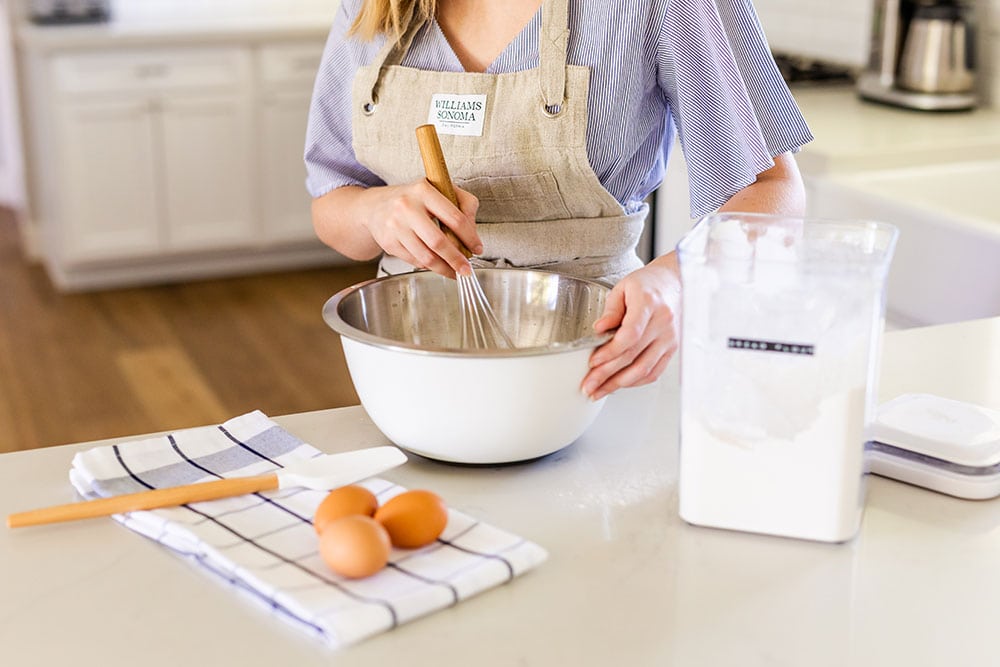
Start by whisking together the flour, baking powder, baking soda, salt, ginger, cinnamon, cloves, and nutmeg. In a separate bowl, use an electric mixer to beat the butter and brown sugar until they’re well combined and smooth (1-2 minutes).
Add the egg and molasses and beat until they’ve combined as well. Finally, add the flour mixture slowly and beat on low speed until it is fully incorporated.
Chill the Dough
Once you’ve made the dough, shape it into a thick disk and wrap it in plastic, refrigerating for about 2 hours (or up to 2 days). Chilling helps develop flavor and makes your cutouts cleaner in the next step.
Roll & Cut
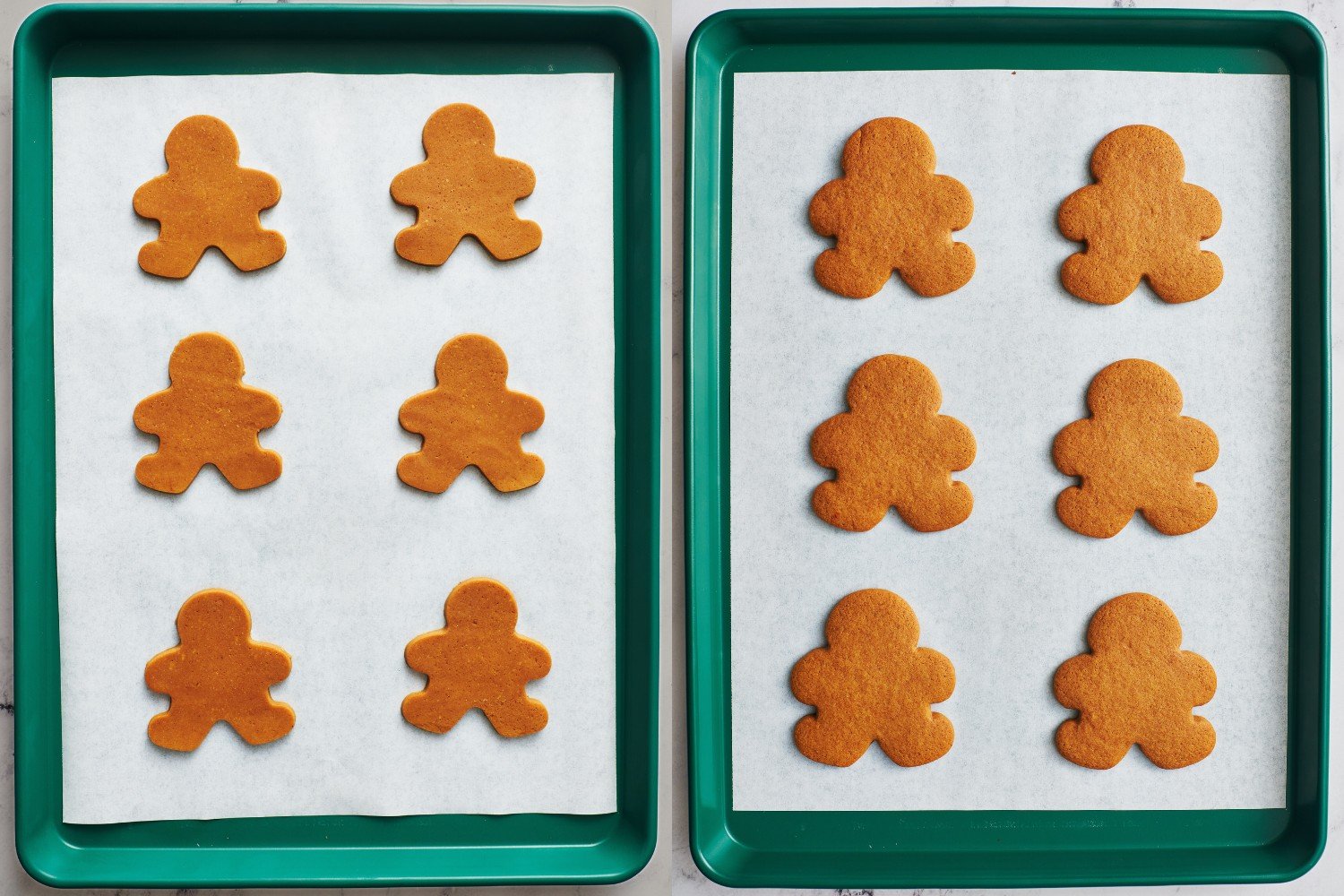
After removing the dough from the refrigerator, let it stand until it’s just pliable enough to roll with ease. Between two sheets of parchment paper or plastic wrap, roll the dough to a 1/4-inch thickness, then use a gingerbread man cookie cutter to cut out shapes from the dough. Place the shapes on prepared baking sheets at least a 1/2-inch apart.
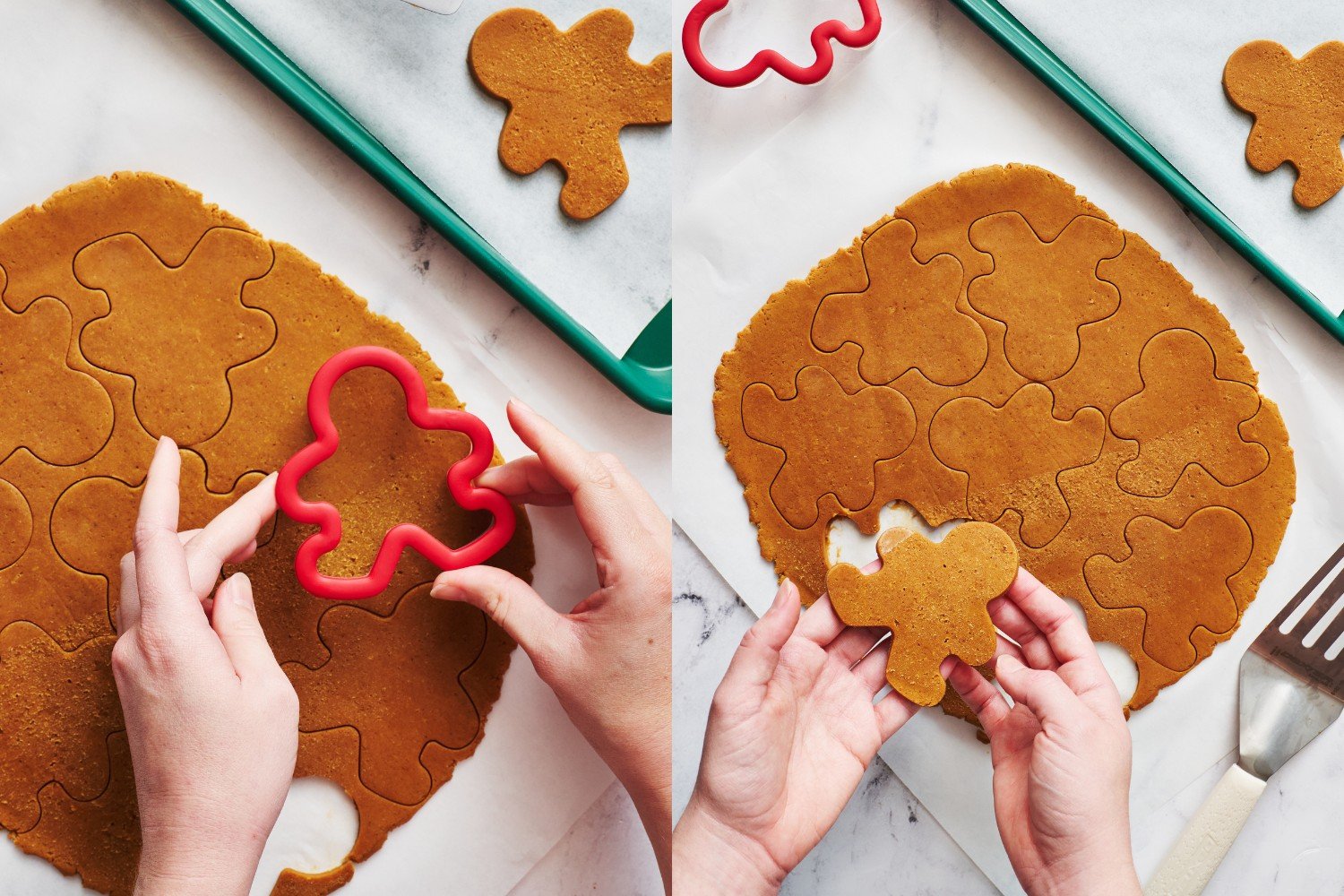
Tessa’s Tip: After testing a few batches, I found that chilling the cut cookie shapes for 10-15 minutes before baking made a noticeable difference. They held their clean edges better, had a more consistent thickness, and baked up with minimal spread. It’s a small extra step, but it pays off with that crisp, classic gingerbread shape.
Bake
Bake for 11 minutes (or 13 for crispier cookies) at 350°F. Make sure to rotate the sheets halfway through the bake time. The cookies should be set, with the edges slightly browned. Let the cookies cool on the pans for 3 minutes, then remove them to cooling racks.
Have Fun Decorating
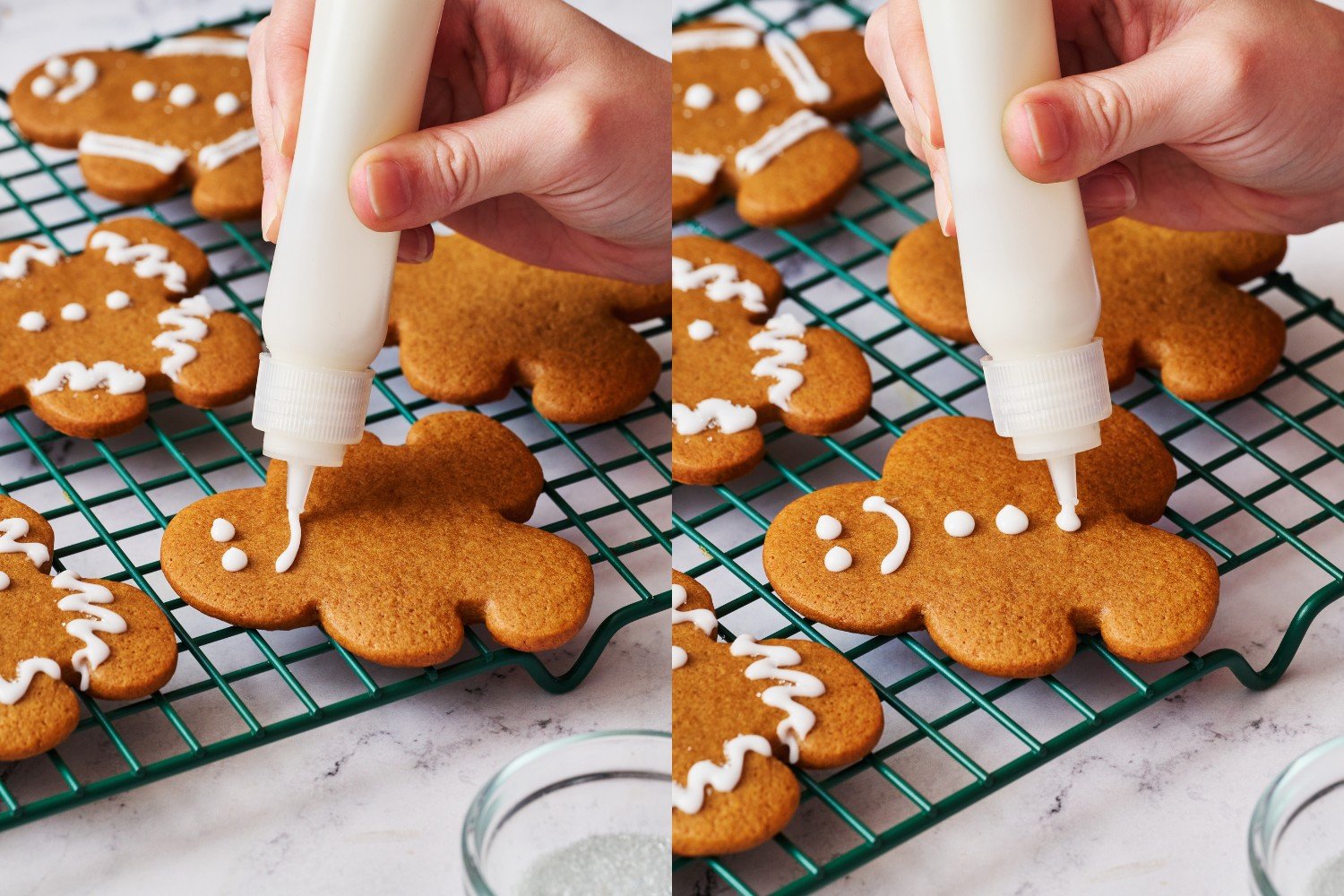
I use my easy icing recipe for these gingerbread cookies. Royal icing is pretty, but can be a hassle and isn’t always the tastiest. The one I use is quicker and simpler!
For decorating, I love to use a squeeze bottle because it offers great control for clean lines and detailed work, without the fuss of piping bags.
Decorate these as classic gingerbread people, or use any other festive cookie cutters and decorate accordingly. This dough works particularly well with intricate cookie cutters, such as snowflakes, because the low spread maintains sharp details.
Keep in mind that if you mix small and large shapes on the same sheet, the smaller ones may bake a little faster. Group similar sizes together for even results!
Serving & Holiday Ideas
Whether you’re decorating them with family, sharing them at a party, or enjoying one on a cozy evening, these gingerbread cookies bring a little extra holiday magic. They’re perfect for a dessert table, a cookie swap, or stowed in a festive cookie tin for gifting.
For all things creamy and comforting, serve with a glass of hot cocoa, spiced eggnog, or a warm chai latte! If you’re planning more holiday baking, browse my full Christmas recipe collection.
Storage, Freezing, & Make-Ahead Tips
Freeze baked cookies: After cooling, store in the freezer for up to 2 months. When ready to serve or decorate, thaw at room temperature.
Refrigerate the dough: Store up to 2 days before baking. Keep it wrapped and airtight. Chilling the dough also deepens the spiced flavor.
Freeze cookie dough: Wrap tightly in plastic wrap and place in a freezer bag or an airtight container for 2-3 months. When ready, thaw overnight in the fridge, and let stand 10–20 minutes until just soft enough to roll.
Store baked cookies: Keep at room temperature in an airtight container for around 5–7 days.
More Christmas Cookie Recipes
- Soft and Chewy Sugar Cookies
- Gingerdoodle Cookies
- Crispy Gingersnaps
- Christmas Lofthouse Cookies
- M&M Christmas Cookies
- Cut-Out Cookies
- Loaded Christmas Cookie Bars
FAQs
A few common mistakes when making gingerbread cookies include:
Overworking the dough. Too much mixing or kneading can make the cookies tough. Mix until everything is just combined.
Skipping the chill time. Warm dough spreads, loses its shape, and bakes unevenly.
Rolling the dough too thinly or unevenly. Thin dough can become brittle, and uneven dough doesn’t bake consistently.
Using too much flour when rolling. Excess flour can dry out cookies and make them less flavorful. Just lightly dust the surface of the dough.
Overbaking. Even 1–2 extra minutes can make the cookies hard. Bake until the edges are just set and lightly browned.
This recipe yields soft, slightly tender cookies that are perfect for eating and decorating, but not sturdy enough for a gingerbread house. That would require a dough with less leavening and moisture and more flour.
There are a few adjustments that help gingerbread cookies bake up softer and chewier:
Slightly underbake them — pull them at 9–10 minutes instead of 11.
Roll the dough a little thicker — thicker dough keeps the centers soft.
Add 1–2 teaspoons extra molasses for added chewiness.
Increase the brown sugar by 1–2 tablespoons — the added moisture softens the texture.
If you live in the U.K., you can use treacle in place of the molasses. It’s basically the British equivalent, but molasses is a critical component of this gingerbread recipe. Substituting it will alter the taste, texture, and color of the cookies.
If you can’t find molasses or treacle, try using maple syrup, dark corn syrup, or honey as an alternative. Increase the spices to make up for the lost molasses flavor.


Email This Recipe
Enter your email, and we’ll send it to your inbox.
Ingredients
For the cookies:
- 3 cups (381 grams) all-purpose flour*
- 1 teaspoon baking powder
- 1/2 teaspoon baking soda
- 1/2 teaspoon fine sea salt
- 1 1/4 teaspoons ground ginger
- 1 teaspoon ground cinnamon
- 1/4 teaspoon ground cloves
- 1/4 teaspoon ground nutmeg
- 1 1/2 sticks (170 grams) unsalted butter, at cool room temperature
- 1/2 cup (100 grams) packed light brown sugar
- 1 large egg
- 1/2 cup molasses (unsulphured, but not blackstrap) (168 grams)
For the icing:
- 2 cups (250 grams) powdered sugar, sifted
- 2 to 3 tablespoons milk
- 1/4 teaspoon vanilla extract
Instructions
Make the cookies:
- In a medium bowl, whisk together the flour, baking powder, baking soda, salt, ginger, cinnamon, cloves, and nutmeg to combine. Set aside.
- In a large bowl, use an electric mixer to beat the butter and brown sugar on medium-high speed until well combined and smooth (1 to 2 minutes), then scrape down the bottom and sides of the bowl.
- Add the egg and molasses and beat until combined.
- On low speed, slowly add the flour mixture and beat until incorporated.
- Shape the dough into a thick disk and wrap in plastic, then refrigerate until chilled (about 2 hours or up to 2 days).
- Preheat oven to 350°F and line large baking sheets with parchment paper.
- Remove dough from the refrigerator and let it stand until just pliable enough to roll with ease.
- Place the chilled dough between two large pieces of parchment paper or plastic wrap on a work surface and use a rolling pin to bring the dough to a 1/4-inch thickness.
- Use a gingerbread man cookie cutter to cut out shapes from the dough and place on prepared baking sheets, spacing at least a 1/2-inch apart.
- Reroll remaining scraps of dough into 1/4-inch thickness and cut out more shapes.
- Bake for 11 minutes (or 13 for crisper cookies), or until the cookies are set and the edges are slightly browned, rotating sheets halfway through.
- Let the cookies cool on the pans for 3 minutes, then remove to wire racks to cool completely.
Make the icing:
- In a medium bowl, whisk together the ingredients until a thick and smooth icing forms. Add more milk if the icing is too thick, or more sifted powdered sugar if it’s too thin.
- Transfer the icing to a small squeeze bottle, piping bag, or zip-top bag with a small hole cut in the corner and decorate the cookies with the icing. Allow to set before serving or storing.
Notes
This post was originally published in 2018 and has been updated with recipe improvements, additional baking tips, and new photos. Photos by Joanie Simon.


Another 10/10 recipe! These gingerbread cookies were perfection and SO simple to make. The perfect holiday treat. Delicious all around. My mom even said it was the best gingerbreads she’s ever had☺️
This has been in our yearly Christmas Cookie assembly for years now. It smells heavenly and everyone loves to decorate them. Also works for gingerbread houses or little trinkets for your coffee and hot cocoa mugs.
I’m so honored, Sabine! And I love the idea of making little gingerbread houses or charms. So fun.
Agree completely! So happy you love them, Sabine. Thanks for sharing 🙂
I like to add the cream cheese frosting
This is my go to gingerbread cookie recipe. It works every time and I use it for so many different shapes and styles. it is the perfect spicy and flavorful canvas for the holiday season.
It feels silly reviewing these in February, but these changed my entire perception on gingerbread! My whole life I thought gingerbread was hard and bland, until I tried a sample at a grocery store and decided to give this recipe a go. I’m so glad I did. It’s soft, delicious, and flavorful. They also hold their shape, which some recipes don’t even with chilling, so that’s a huge plus.
Woohoo! So thrilled that you enjoyed this recipe so much, Kate! Your gingerbread men look perfect! 🙂
I’m struggling with getting this dough to roll without it being too sticky to cut?
Hi Louise! Are you chilling your dough before cutting it? Read more about this in the pink tip box (above the recipe) for more info on this 🙂
Yum! We only have blackstrap molasses here in NZ but the dough has turned out great (I’ve eaten a fair bit of raw dough and its delish). Dough is cooling off in the fridge (summer Christmas, yuck) before we chuck the gingerbread in the oven so fingers crossed – thanks for an awesome recipe!
Way too much molasses. Overpowering. They don’t taste like a gingerbread cookie. At least they held their shape while baking, but that’s not really much to ask for. Would not recommend unless you are looking for a soft molasses cookie.
We appreciate your feedback. What kind of molasses did you use?
Hi Kristen! I discussed this with Tessa, and she said you may have to experiment with different brands to get the specific color you want. Blackstrap molasses will produce the darkest color, but it also produces the most bitter flavor, which is why we don’t recommend it. Tessa’s favorite molasses brands are Grandma’s Molasses Unsulphured Original and Brer Rabbit All Natural Unsulphured Molasses Mild Flavor. I hope that helps! Please let us know what you find out!
I ended up using Brer Rabbit’s Full Flavor—and it turned out light. For about ten years I’ve used the Grandmas Original, as you mentioned.
When I’ve written to people on blogs, they always say they’ve used one of these two types. Are you saying your cookies turn out super dark brown when you use these types of molasses? Blog pictures show super dark brown, but then the cooks always say that they used these types of molasses but when I use them they’re not dark at all. So I’m thinking maybe the pictures are not from what is actually baked?
I’m going to experiment and use blackstrap. One cook’s blog said that she didn’t notice a flavor difference between it and these lighter molasses types. We’ll see what happens! Thanks for responding.
Hi Kristen, I had Tessa look into this further, and she said our photographer used a molasses product from the farmer’s market but couldn’t figure out what kind it was after she shot the photos because it wasn’t labeled like grocery store molasses. She wanted me to let you know also that photos and screens aren’t always true to life as far as precise colors go, especially for browns and tans. Please let me know how it goes if you attempt blackstrap, I’m interested to find out!
Thanks for looking into this, it’s been interesting to hear from you. I finally found one cook that did indeed use photographs of their cookies and not stock photos or other photos. She reported that only blackstrap molasses will give the super dark brown color, and the other types of molasses all create light gingerbread. She also said that she could not tell a flavor difference between the blackstrap and regular molasses. After reading maybe a dozen blogs/baking websites that say not to use blackstrap, but have accompanying photos showing cookies clearly made with blackstrap molasses, it seems these bakers just copied and pasted info onto their articles without really being doing the work of trying it out. When I do give it a try, I’ll try and get back to you. Sadly I purchased a lot of full flavor molasses as recommended by so many people, and I can’t get more until I use this stuff up. It’s pretty expensive stuff!
These are super easy to make! Everyone loved them. I live at 7000 feet and did not make any changes to recipe.
Thanks so much for sharing, Dina! Glad they were a hit 🙂
these were great and so delicious. however the dough was very sticky and very hard to work with. fortunately they baked so well that I would make it again.
but any suggestions why my dough was so sticky and so difficult to work with?
Hi Aline! So glad to hear that you enjoyed these cookies, even if the dough was a little sticky. Every kitchen environment is different, so sometimes doughs will differ slightly. If your cookie dough seems too sticky, try chilling the dough before portioning it out, to see if that helps. Alternatively, feel free to add a little more flour (a couple tablespoons to begin with) to see if that helps. Let us know how it goes! 🙂
Hi, how can I replace the egg with if I want to make it vegetarian.
Thankyou
Roma
We don’t publish egg-free recipes, so I can’t say for sure!
Hi Tessa
In Australia we use Golden Syrup for our gingerbread bikkies or cookies as you Americans like to call our biscuits/bikkies ☺️ at Christmas time. It does alter the taste as it’s lighter than molasses hence changing the taste but I love it the way I make it and it can be substituted with same amounts in any recipe that has molasses.
I imagine UK may be same. Not sure just thought it might help.
Tracey
I appreciate you taking the time to write in with your suggestion, thanks! 🙂