

This post may contain affiliate links. Read our disclosure policy.






Tessa’s Recipe Rundown
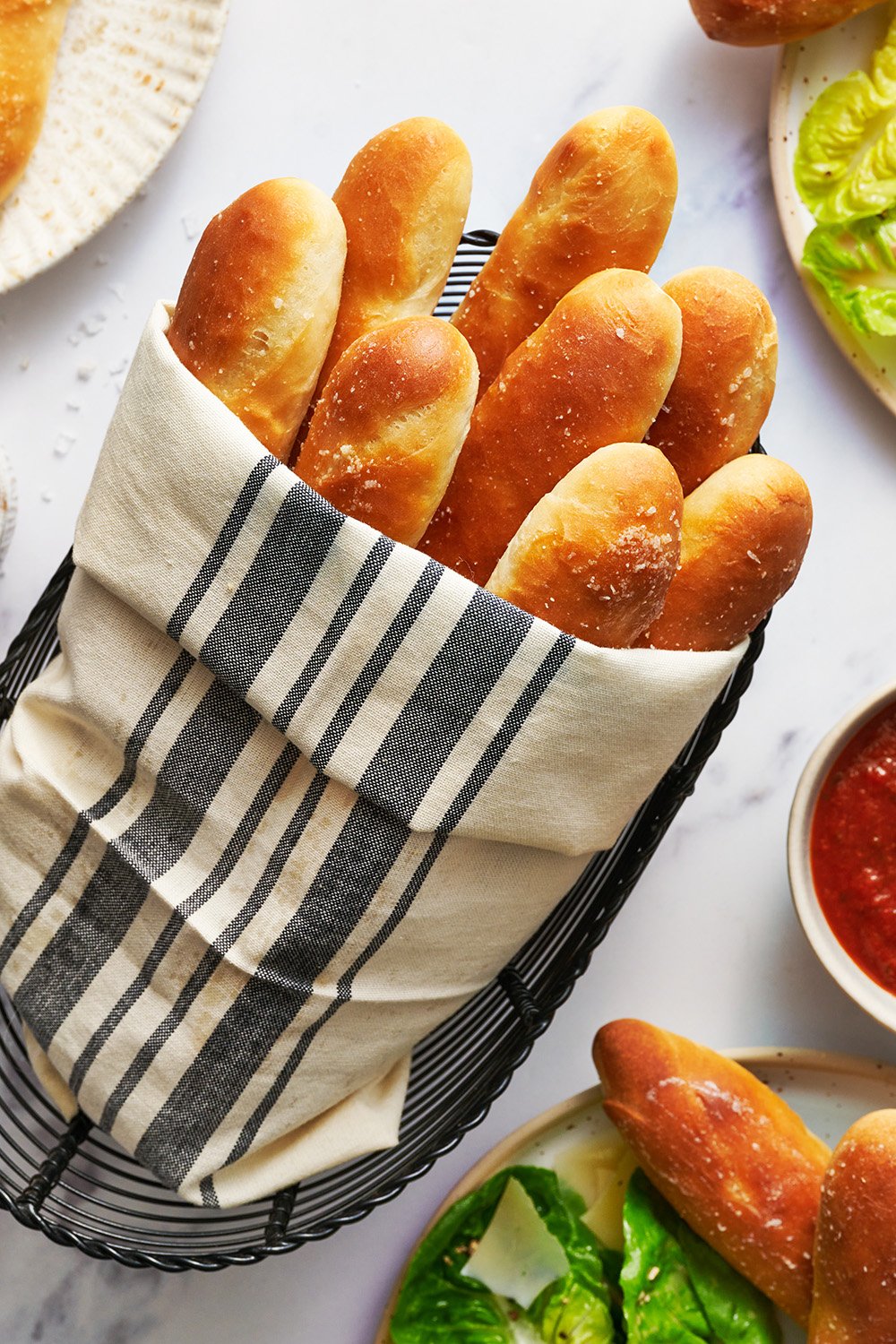
Taste: Buttery and garlicky, AKA, heaven!
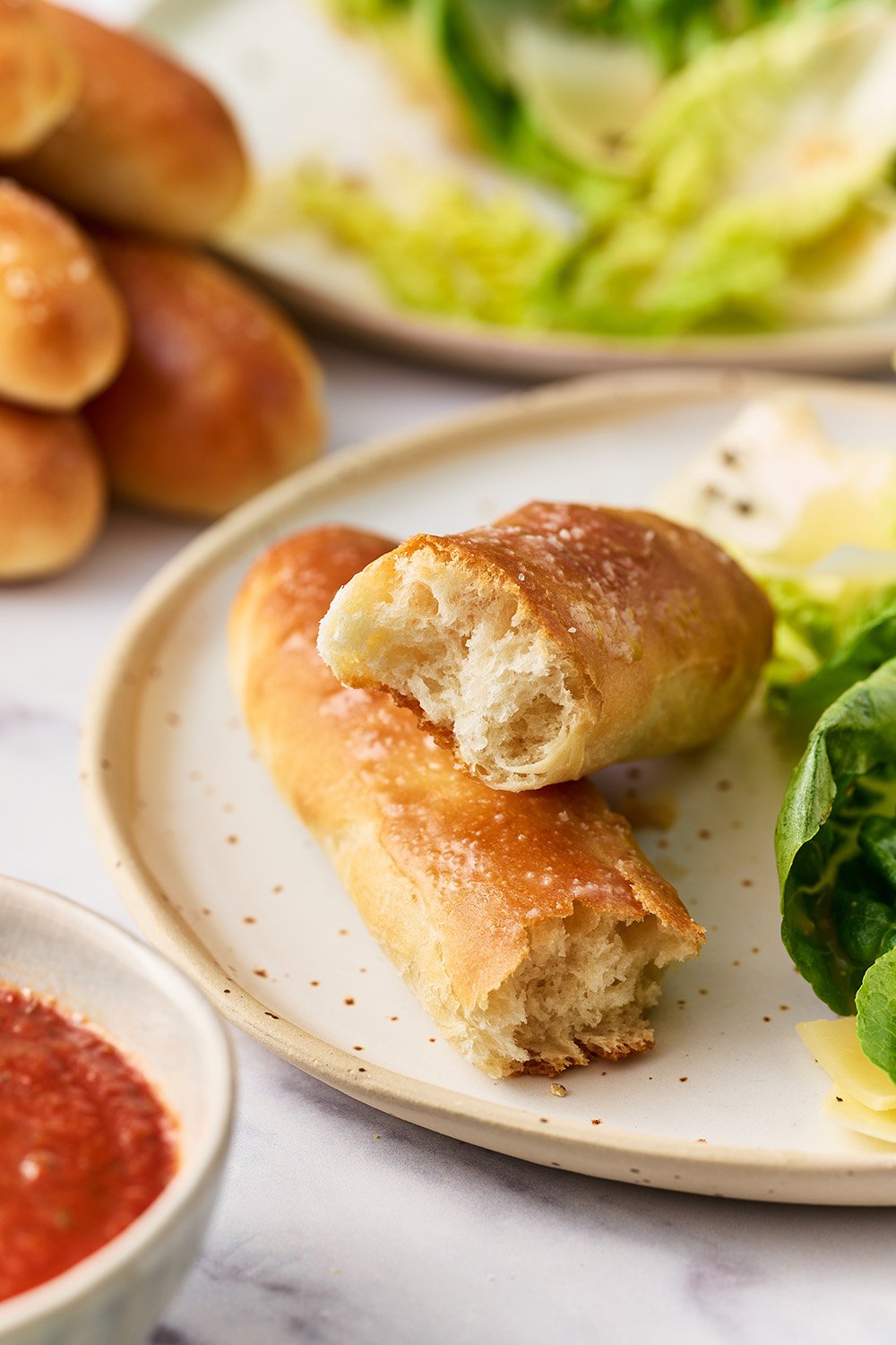
Texture: A lightly golden crust hides the soft and fluffy interior, with the perfect amount of chew.
Ease: Homemade breadsticks may sound intimidating but there’s only a handful of ingredients. You can do this!
Why you’ll love this recipe: Better than the restaurant, and super impressive.
I cannot tell you how positively tantalizing these breadsticks smell while baking.
As someone who went to culinary school and has studied the science of homemade bread, I’m not afraid to admit there’s nothing very fancy about this recipe.
In fact, it only has 7 ingredients. No complicated resting or rising periods. It’s about as simple as it gets.
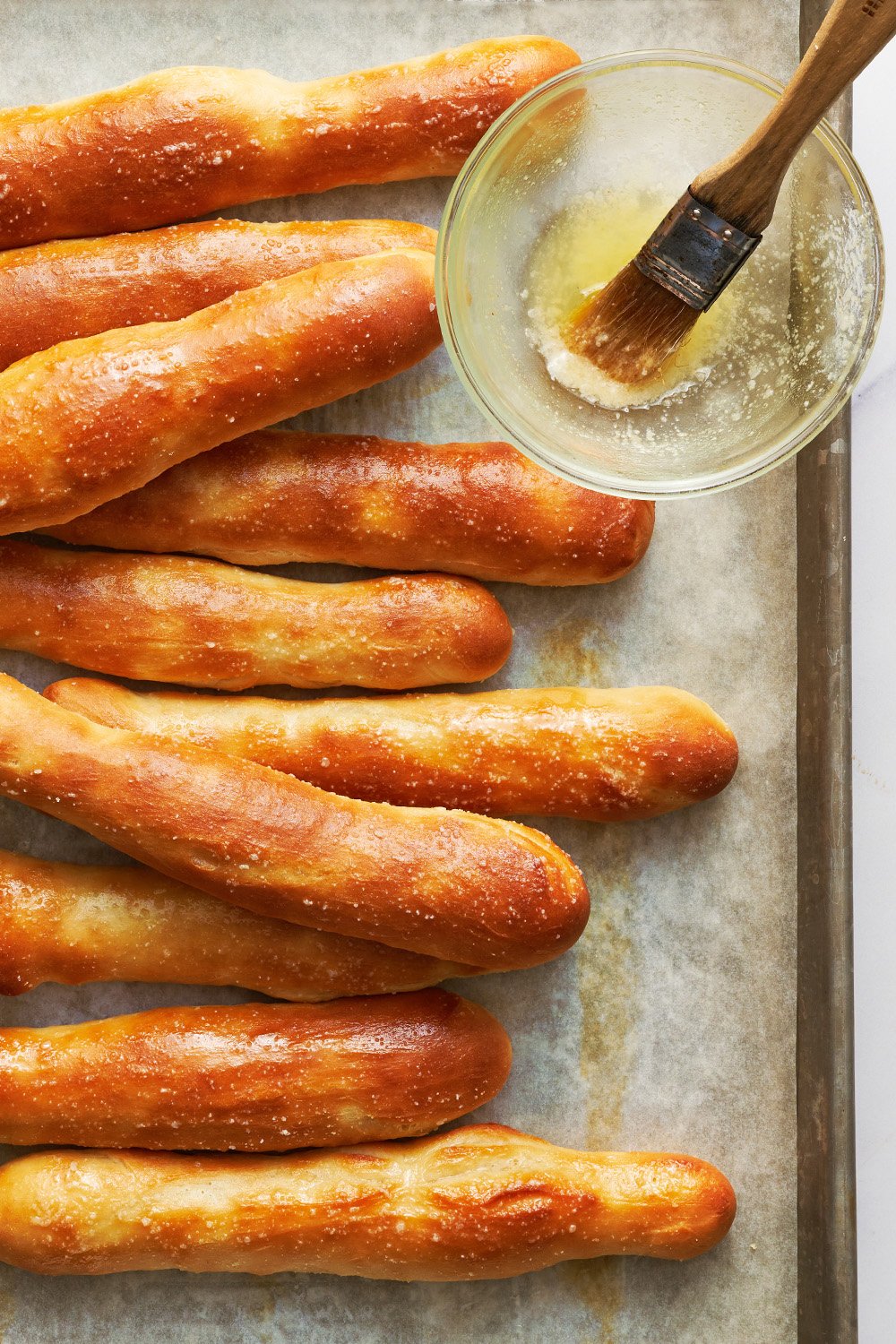
And yet, it transports me back to being a kid going to Olive Garden as a special treat, only to fill up entirely on breadsticks.
This homemade breadsticks recipe is about 1,000x better than the restaurant version. I promise, your whole family will go crazy for this copycat recipe at Sunday night dinner. Especially when paired with a rich soup or sauce for dipping!
These were sooo good, my kids said better than Olive Garden. As someone that thinks that restaurant is over rated and I can make better pasta at home, I’m so excited to have a recipe to top their breadsticks. Thanks so much for the great recipe!
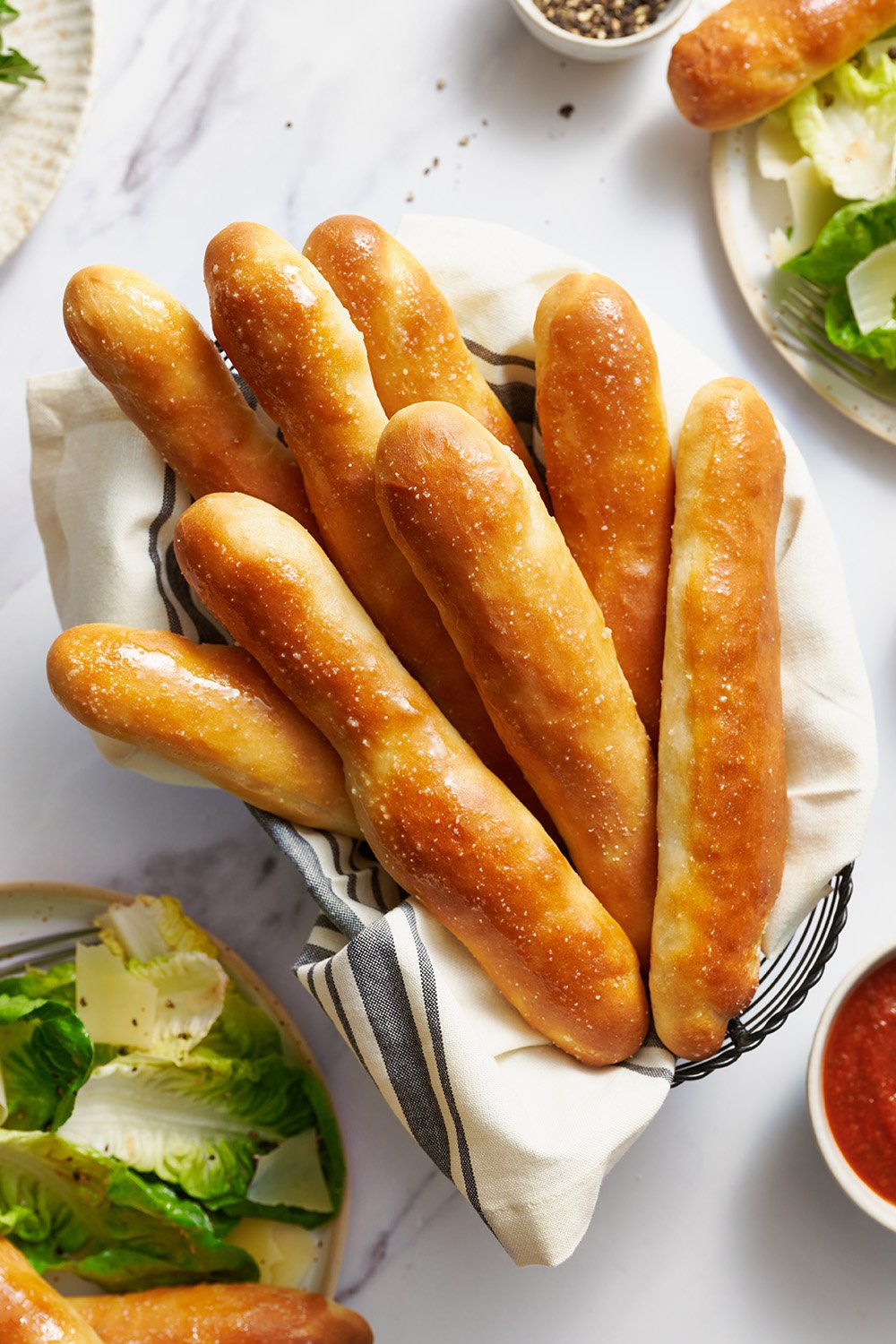
You don’t need any fancy skills, equipment, or know-how to nail this recipe. You do need to be forewarned…
These breadsticks are positively irresistible!
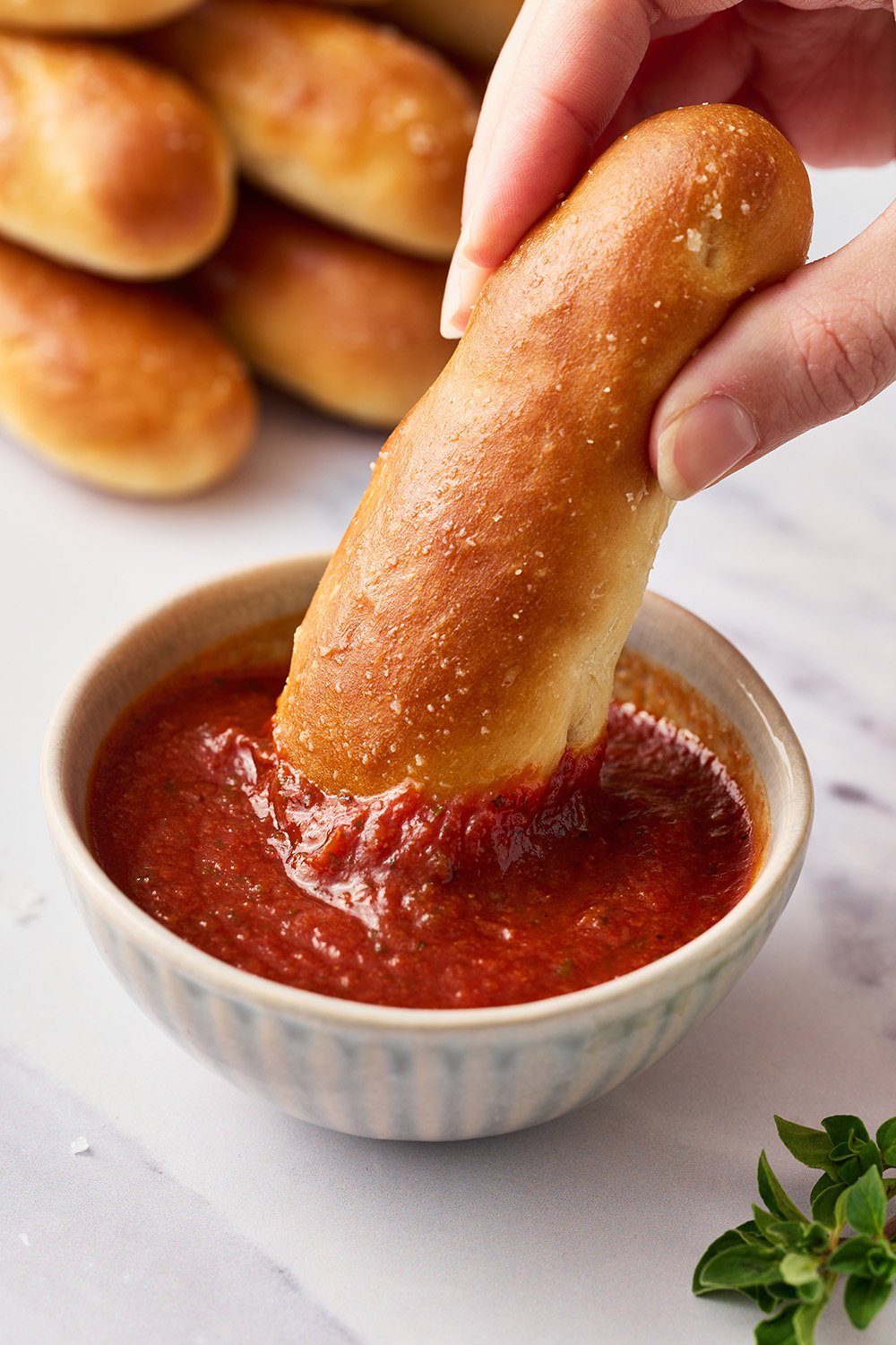
Delicious!! I never review any recipes, but this one definitely deserves it. These were so simple to make, soft and chewy, and perfect for dipping in soup. Will be making these often!
Key Recipe Ingredients
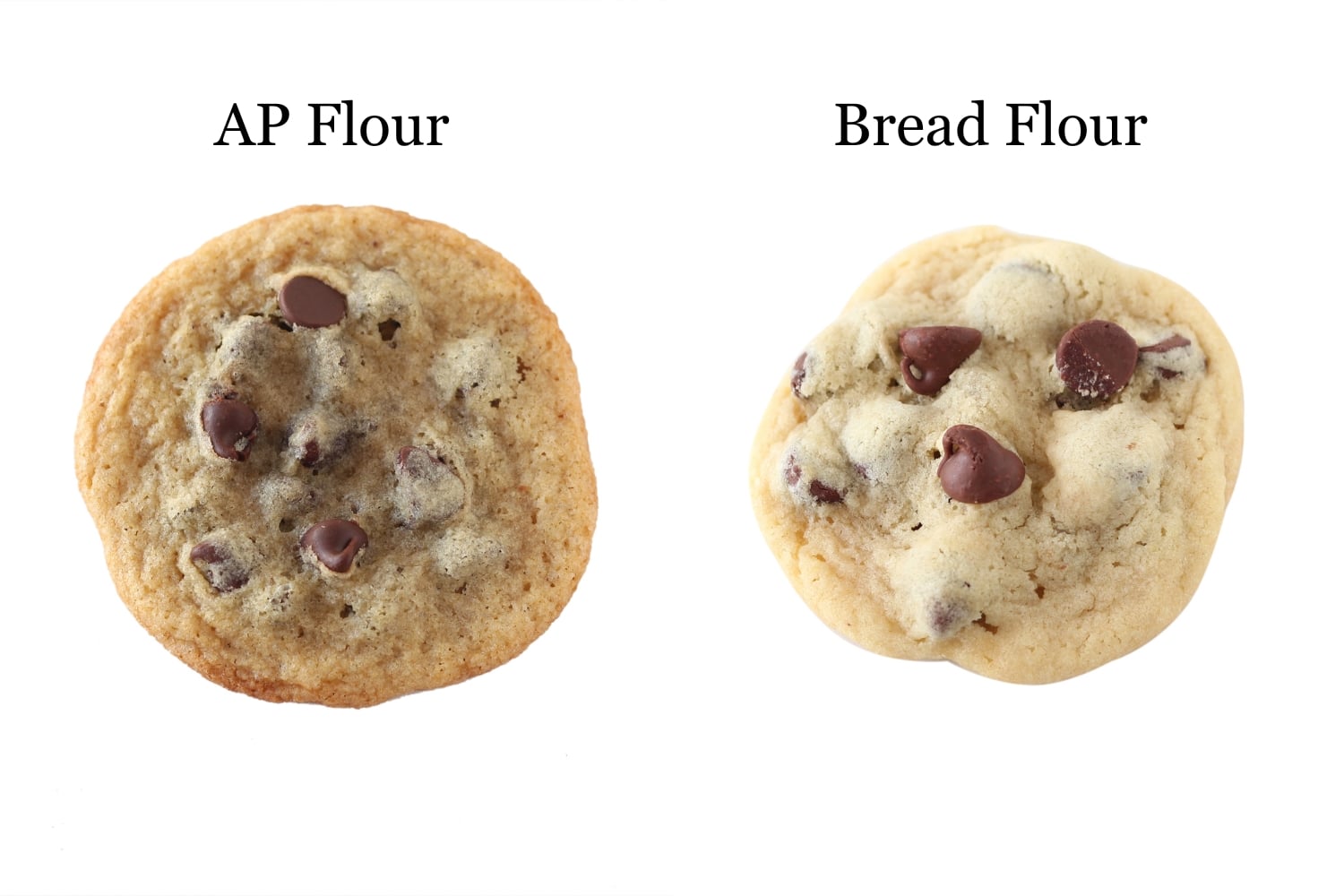
Bread flour: Its higher protein content helps develop gluten, creating taller, well-rounded breadsticks with a chewy, fluffy texture.
- Swap: Use the same amount of all-purpose flour. Keep in mind that your kneading time will increase to properly develop the gluten, and your breadsticks may turn out more soft than chewy.
Instant yeast: Also called rapid-rise or quick-rise yeast, this can be added directly to the other ingredients without proofing separately.
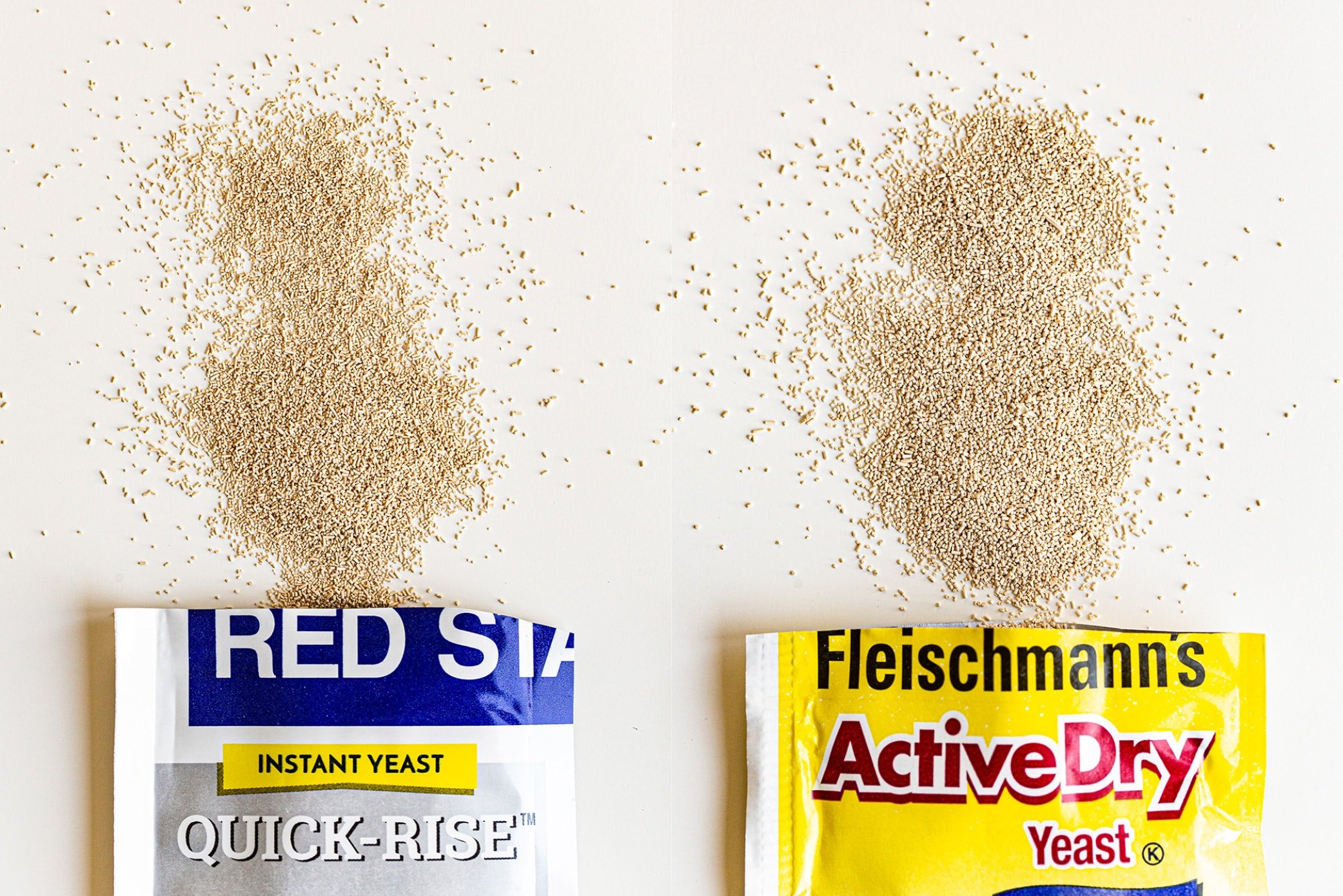
- Swap: Substitute active dry yeast at a 1:1 ratio. Add it directly to the dry ingredients, but expect the dough to take about 20% longer to rise. To speed things up, you can instead dissolve the yeast in the warm water with a pinch of the recipe’s sugar. Let it sit for about 5 minutes, until bubbly, before adding it to the other ingredients. Learn more about the different types of yeast and how to substitute them here.
Sugar: Adds a little sweetness, helps feed the yeast, and contributes to a softer texture. Do not omit or reduce.
Butter: Adds richness and tenderness to the dough.
Warm water: Helps hydrate the flour and activate the yeast. Be cautious your water isn’t too warm or you’ll kill the yeast (about 100–110°F).
Tessa’s Tips for Perfect Breadsticks
- Use the right water temperature. Be sure to use water that is not too hot. Hot water will kill the yeast and prevent the breadsticks from rising. 100-110°F is perfect.
- Don’t skip the sugar. There’s a little in these breadsticks to help activate the yeast, tenderize the breadsticks, and make them a little softer. Don’t skip the sugar! I promise you won’t find the breadsticks sweet. Learn more about sugar’s role in baking here.
- Measure the flour correctly. Be sure to measure your ingredients correctly. When measuring by volume (using cups), it can be super easy to accidentally over-measure ingredients, especially flour. To avoid dense or dry breadsticks, I highly recommend using a digital kitchen scale, but if you don’t have one, use the spoon-and-level method.
How to Tell When Dough Is Risen
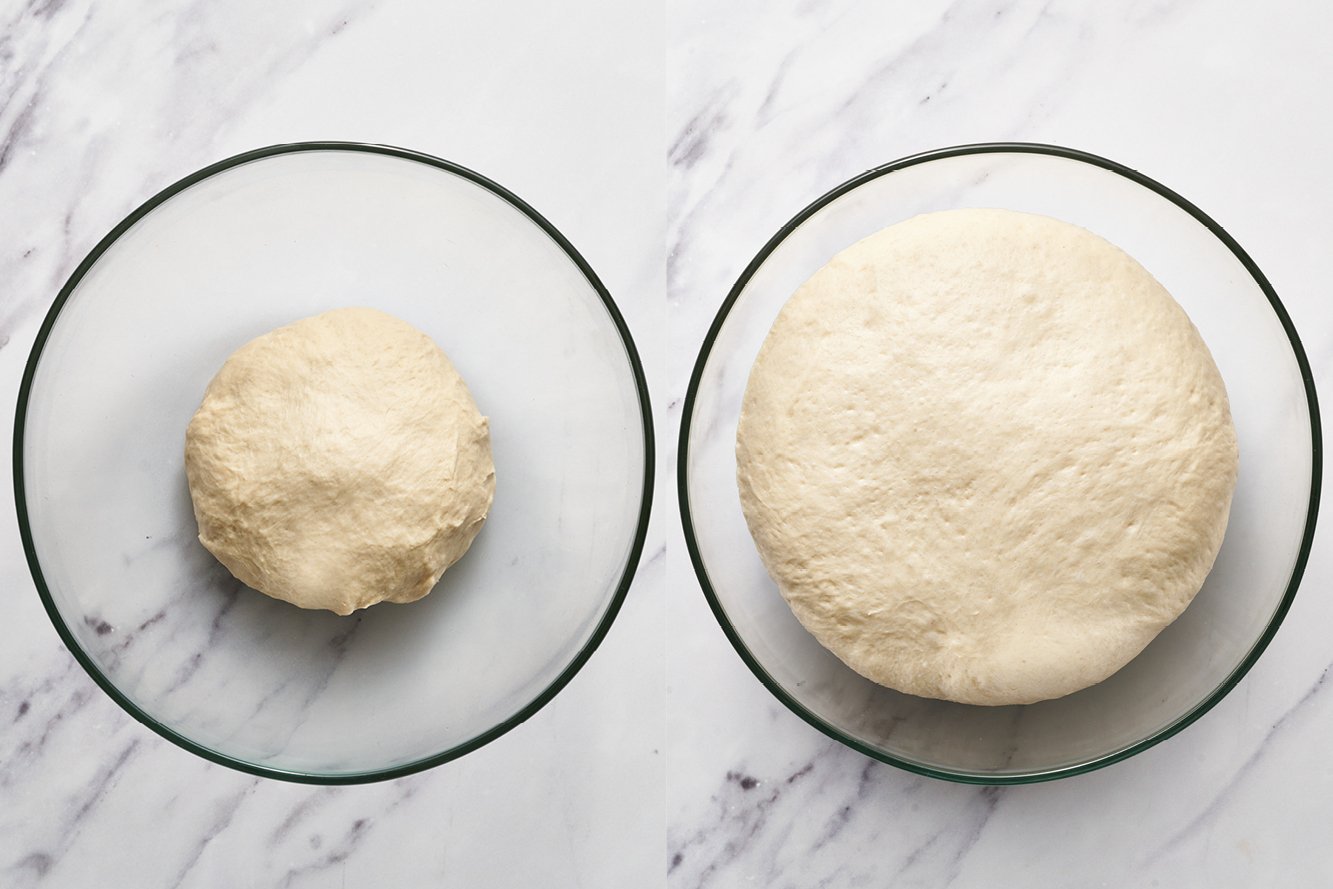
- After kneading, shape the dough into a ball.
- Place in a lightly oiled mixing bowl. I like to use glass and take a picture so I can see how much it’s rising later.
- Cover the bowl with plastic wrap, foil, or a clean kitchen towel. Let the dough rise in a warm, draft-free location. Ideal rise temperatures are between 80°F and 90°F. Lower temperatures will require more rising time.
- The dough is done rising when it’s about doubled in volume and passes the “ripe” test. Gently stick two fingers in the risen dough up to the second knuckle and then take them out. If the finger marks remain, the dough is ready for shaping. If not, cover and let the dough rise longer until it is.
How to Shape Breadsticks
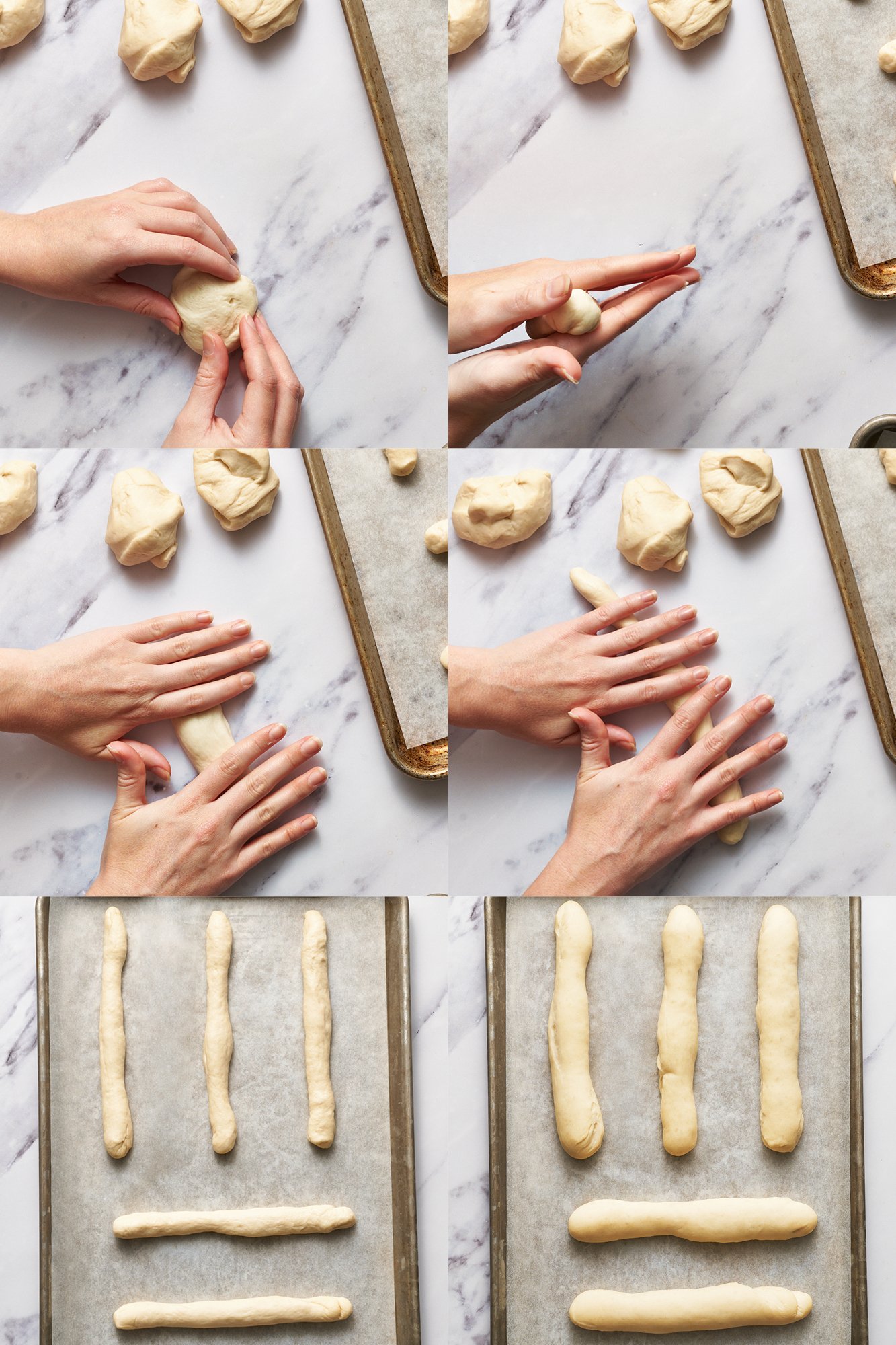
- Once the dough is risen, press it down to deflate it slightly.
- Place the dough onto a clean surface (not a floured surface).
- Use a bench scraper to section the dough into 12 equal pieces. Don’t worry if they’re not perfectly equal in size – but if you prefer, you can weigh the entire mass of dough, divide that number by 12, then portion each piece perfectly by weight.
- Roll each piece of dough into an 8-inch log. Don’t worry if they’re not perfectly shaped.
Storage & Make ahead
Storage: These breadsticks are best served warm, right out of the oven, but you can store leftovers in an airtight container at room temperature for up to 3 days. To refresh them, place the breadsticks on a baking sheet and reheat in a 425°F oven for 4 to 5 minutes, or until warmed through. For extra flavor, brush with melted butter and sprinkle with garlic powder and salt before serving.
Freeze: You can freeze baked breadsticks for up to 2 months. Let them cool completely, then transfer to an airtight container or freezer-safe bag. On the day you’re ready to serve, thaw the breadsticks at room temperature for a couple of hours. Place them on a baking sheet and reheat in a 425°F oven for 4 to 5 minutes, or until warmed through. For a fresh-from-the-oven finish, brush with melted butter and sprinkle with garlic powder and salt before serving.
Make Ahead:
- Refrigerator option: Allow the dough to complete its first rise, then shape the breadsticks. Arrange them on a parchment-lined baking sheet, cover well to prevent them from drying out, and refrigerate for up to 24 hours. When you’re ready to bake, let the breadsticks sit at room temperature while the oven preheats. If they haven’t doubled in size yet, let them continue rising until they have. Bake as directed in the recipe.
- Freezer option: For longer storage, freeze the shaped dough after its first rise. Arrange the breadsticks on a parchment-lined baking sheet and freeze until solid, then transfer to a freezer-safe bag or airtight container and freeze for up to 2 months. When you’re ready to bake, arrange the frozen breadsticks on a parchment-lined baking sheet and let them thaw at room temperature. Allow them to rise until doubled in size and a gentle indentation remains when you press the dough with your finger. Bake as directed.
Frequently Asked Questions
Yes! Be sure to knead the dough properly so the breadsticks hold their shape and don’t become sad flat sticks. I call for a stand mixer to make easy work of kneading in this recipe, but you can also knead by hand. Be prepared for a bit of a workout, as you’ll need to knead by hand for about 15 to 20 minutes. You can see my full tutorial on how to knead dough here.
These Copycat Olive Garden Breadsticks are not vegan. However, several readers have had success with Country Crock plant-based sticks (avocado oil-based) or using olive oil in the dough and Earth Balance for the topping. If you give anything else a try, let me know how it goes in the comments!
Yes, if you have a large enough mixer (at least 6 quarts). Most home mixer bowls won’t mix such a big batch of dough well enough. If you’re using a 5-quart tilt-head mixer, your mixer may become overheated with that amount of dough. So I recommend simply making a single batch of dough twice.
A side salad
Marinara sauce
Creamy soup, like my Pot Pie Soup
Your favorite pasta dish

Email This Recipe
Enter your email, and we’ll send it to your inbox.
Ingredients
For the dough:
- 1 cup plus 2 tablespoons (250 grams) warm water, about 100-110°F*
- 1 1/2 teaspoons instant yeast
- 2 tablespoons (25 grams) granulated sugar
- 3 tablespoons (42 grams) unsalted butter, melted
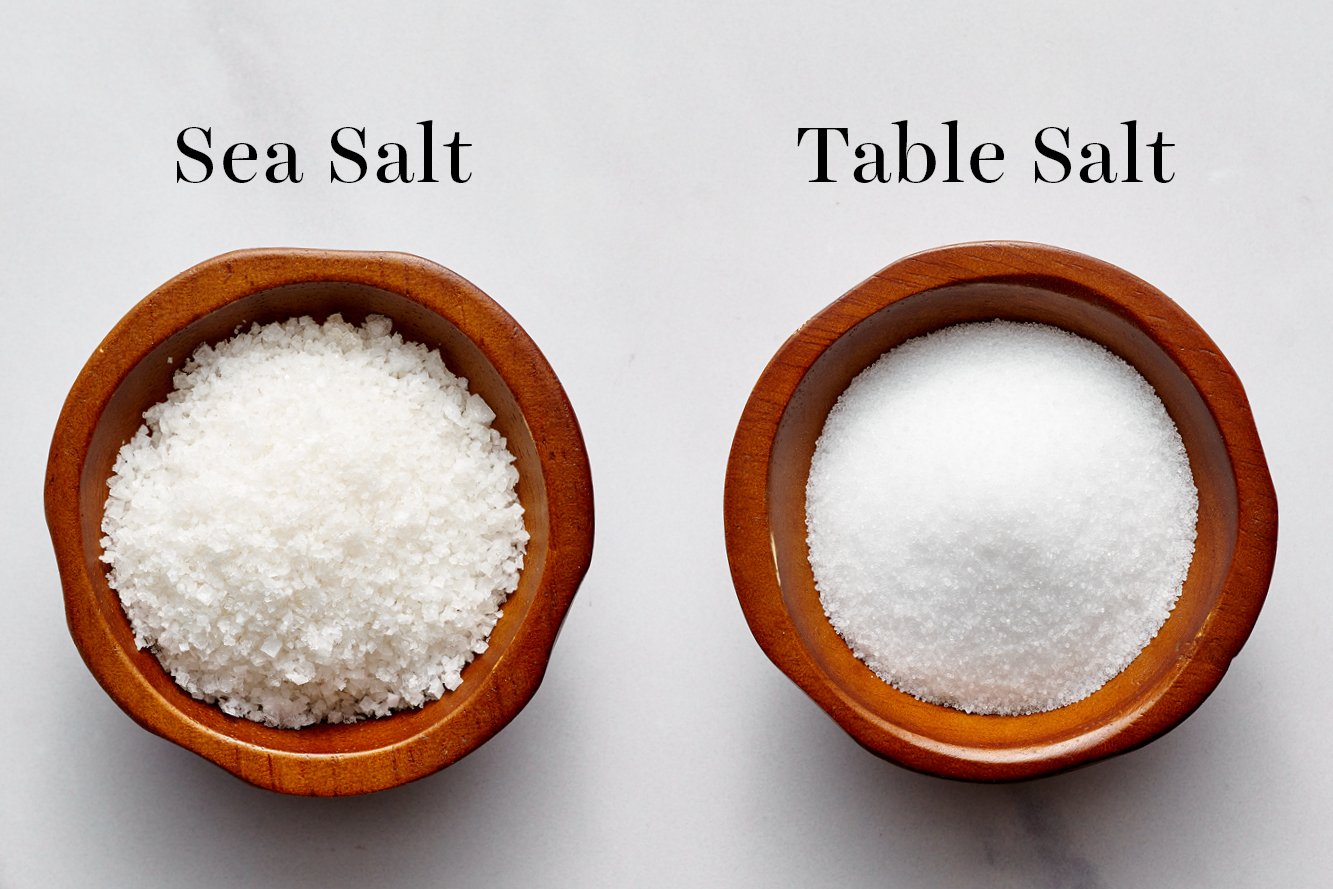
- 1 3/4 teaspoons fine sea salt
- 3 cups (381 grams) bread flour, plus more as needed**
For the topping:
- 2 tablespoons (28 grams) unsalted butter, melted
- 1/2 teaspoon kosher salt
- 1/4 teaspoon garlic powder
Instructions
- Prepare two baking sheets lined with parchment paper and set aside.
- In the bowl of a stand mixer fitted with a dough hook attachment, combine the water, yeast, sugar, melted butter, and salt. Begin to gradually add the flour while the mixer runs on low speed. Increase speed to medium and knead the dough for about 10-15 minutes, or until it is tacky and very elastic. Add more flour, a tablespoon at a time, if the dough is extremely sticky.
- Remove the dough and place in a lightly oiled bowl and cover with plastic wrap. Let rest in a warm place until doubled in size, about 1 hour to 1 1/2 hours (the exact proof time will depend on your kitchen environment; the warmer it is, the faster your dough will proof).
- Once doubled in size, divide the dough into 12 portions (use your kitchen scale for accuracy, but it should be approximately 57 grams per piece). Roll each piece of dough into an 8-inch log. Place the dough logs on your parchment-lined baking sheet, about 2 inches apart. Cover, and let rise until doubled in size, about 1 hour to 1 1/2 hours.
- Preheat your oven to 400°F. Bake for 12 to 14 minutes, or until golden brown. Remove from oven and immediately brush with melted butter. Combine the salt and garlic powder and sprinkle evenly over breadsticks. Serve warm.
- To refresh, place the breadsticks on a baking sheet, and reheat in the oven at 425°F for 4-5 minutes, or until warmed through. You can also re-brush with butter and sprinkle again with garlic powder and salt, if you wish.
Notes
This post was originally published in 2013 and updated in 2023 with new photos and recipe improvements. Photos by Joanie Simon.


These turned out professional. I used regular yeast so I let it rise a little longer. This was easy. I make bread weekly so I know how to make bread but these were awesome. I actually made the butter garlic and put it on fresh rolls. Mind blown. Great idea.
Sounds incredible!! So happy you loved this recipe, thanks for sharing!
EXCELLENT!!!! Turned out perfect 🙂
I would like to make these using a bread maker.
I will use the dough setting. What tips do you suggest?
Thank you, Janet Howe
Hi Janet! We haven’t tried making these with a bread maker, so I can’t say for sure! Please let us know how it goes if you give it a try, we’d love to know!
I made these for the first time this evening and they were perfect! Love how simple the recipe is. I’ll be making these often. ( my husband absolutely loves them)
At what stage may I freeze for later baking?
Hi Michael! To make ahead, bake as the recipe instructs and then let the breadsticks cool completely before freezing. We like to freeze them on a baking sheet until solid before removing to a resealable bag so that they don’t stick together. We suggest reheating in a 300°F oven until warmed through when you’re ready to enjoy
This recipe truly does come out tasting exactly like Olive Garden breadsticks!
The only things I did differently was bloom my yeast in the warm water for 10 minutes before mixing all the ingredients in my bread machine on the dough setting.
Secondly, when they came out of the oven I rubbed/melted a cold stick of butter on the breadsticks and sprinkled with garlic salt.
Perfection! Thanks for the recipe!
Thanks for letting us know how it went using your bread machine! So happy to hear how much you enjoyed this recipe 🙂
Taste exactly like the restaurant’s!!!
So happy you loved this recipe!
This recipe is so good!!! And is so easy to follow and make
Like one of the other people who left a review, I had a hard time incorporating the flour into the wet mixture.
It was VERY crumbly. Also, my very old Sunbeam Stand Mixer (and it’s pathetic dough hooks) had a hard time mixing the dough. The dough got caught up in the beaters. I had to stop using it and mix it in by hand.
Even still, I didn’t like the consistency of the dough….but I went ahead and covered it to see if it would rise.
It did not.
I did level the dough off when measuring but next time, I will weigh it.
And hope that it turns out!!
PS
What temperature do you usually like the water to be at?
On the internet, I read that it was 100°F.
Also, I’m not sure which type of yeast I used – if that might have made a difference in its not rising.
Sorry to hear of your issues, Kelly! Were you able to finish baking them? If so, how did they turn out? It definitely sounds like too much flour was added. Or is it possible you live in a climate where less flour was needed? Warm water is typically 110-115°F. You might be interested in reading our article about the difference in Active Dry Yeast vs Instant Yeast, though you can use either with this recipe. How long did you end up mixing the dough by hand for?
I didn’t end up finishing them since the dough didn’t rise. I searched the internet for the temperature that the water should be (I read: 100°), I used my old Sunbeam mixer, which I’ve never used for bread before (unless there is a hand mix option for the recipe) as I don’t like the dough hooks. I used the least amount of flour that the recipe calls for. When it became too much work for my mixer, I proceeded to mix by hand – I’d say at least 7 minutes total (including the time it was mixed electronically). I’m not sure what type of yeast I used as someone had given me some in a bag. I’ve been keeping it in my freezer. Maybe it needed to come to room temperature?? I want to try this again…but I’m afraid I’ll just be wasting ingredients.
PS I live in Vancouver Canada.
hmmm…I would double check that your yeast is fresh. You can find more details in the article I included in my last comment. I’d increase the water temp to 110-115°F as well. If you’d like to mix by hand next time, I’d suggest mixing for about 10 minutes, until the dough is smooth and elastic. I’d also suggest starting out with 3 cups (381 grams) of bread flour, then slowly adding in the remaining amount so you can keep an eye on it. Tessa lives in Phoenix, AZ, and I live in Michigan, so neither of us bake at high altitude. Reducing the amount of flour may be key for your breadsticks to turn out perfectly. I really hope you give this recipe another try, they are incredible when they turn out! Please let me know how it goes if you do. Good luck!
You might have accidentally killed your yeast if you added the melted butter while it was still too hot.
It never mentioned anything about salt or yeast in the instructions.
Hi Brendan! In the first paragraph of instructions, it says “In the bowl of a standing mixer, combine the water, yeast, sugar, and butter. Add in the salt…” Hope that helps!
They came out great. I actually got 13 instead of 12 and they were still a bit big (I think I inadvertently went a little heavy on the flour). Still Delicious!
I think that extra breadstick is just one for the chef to taste-test 🙂 Glad you loved this recipe!
Absolutely amazing. I made this for a holiday get-together and everyone was wishing I had made a double-recipe. (And I brought 2 other types of bread that they also enjoyed, but this was the one they couldn’t get enough of.)
The recipe is perfect as is. The only thing I changed was I mixed the butter, sea salt, and garlic powder together when I melted the butter to brush on the breadsticks in the final step.
Don’t change a thing about this recipe. Serve it with some dipping sauce if you like, but the recipe itself is perfect as it is!
Put this recipe in your regular rotation, especially if you’re serving pasta or will be going to a potluck that will have pasta. Or: take some sauce and these breadsticks and make everyone wish there was also some pasta!
Yay! So happy these were such a hit. Thanks so much for the rave review!