




This post may contain affiliate links. Read our disclosure policy.




If there’s one thing you should know about me, it’s that I’m obsessed with cookies.
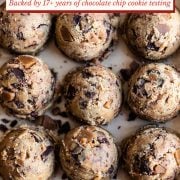
That obsession inspired me to write The Ultimate Cookie Handbook and has kept me testing cookies for over 17 years, including thousands of batches of chocolate chip cookies.
I’ve experimented with countless ingredients, techniques, and baking methods to create cookies for every cookie craving imaginable.
Along the way, I learned something important:
There isn’t one “best” chocolate chip cookie.
There’s just the best one for you.
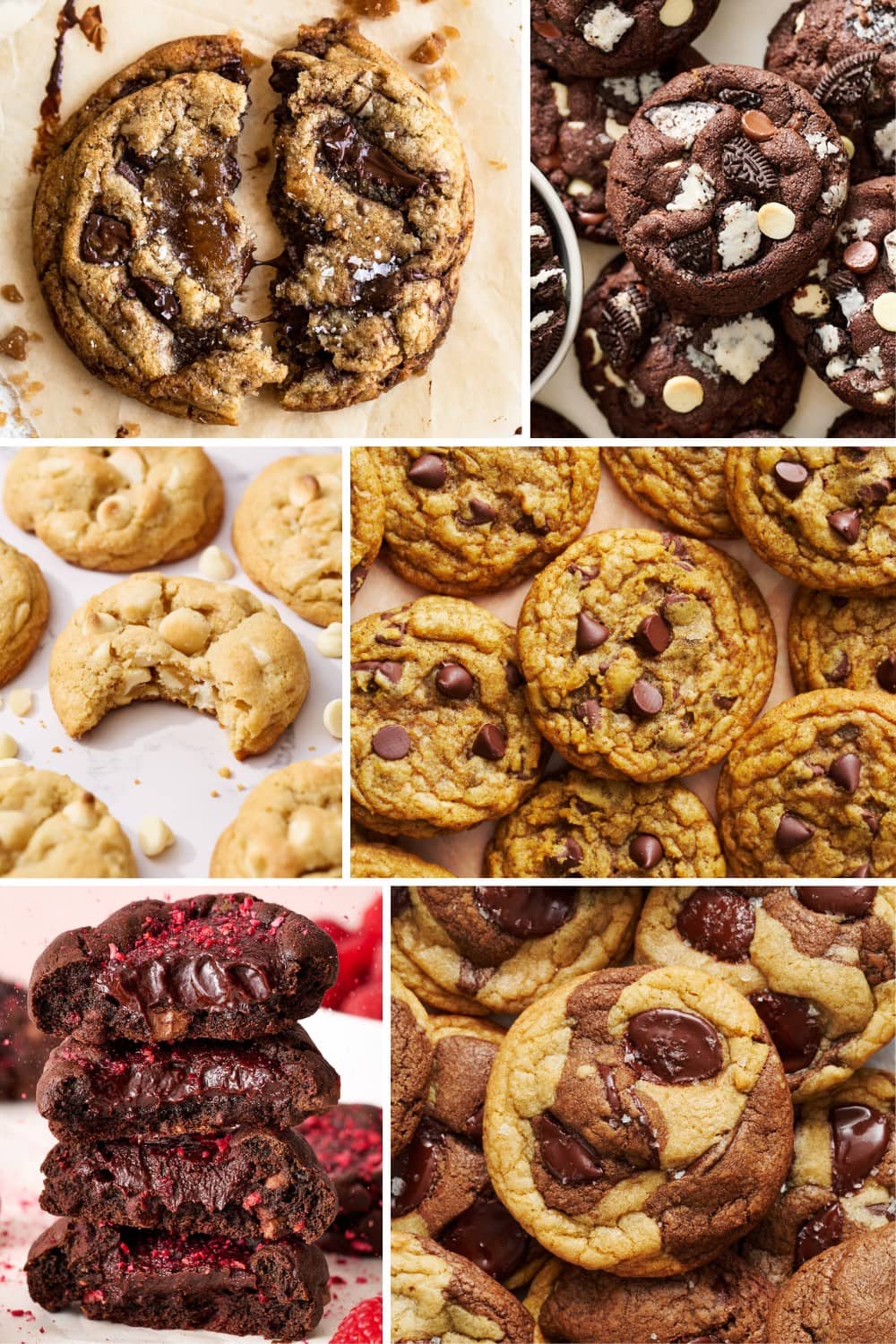
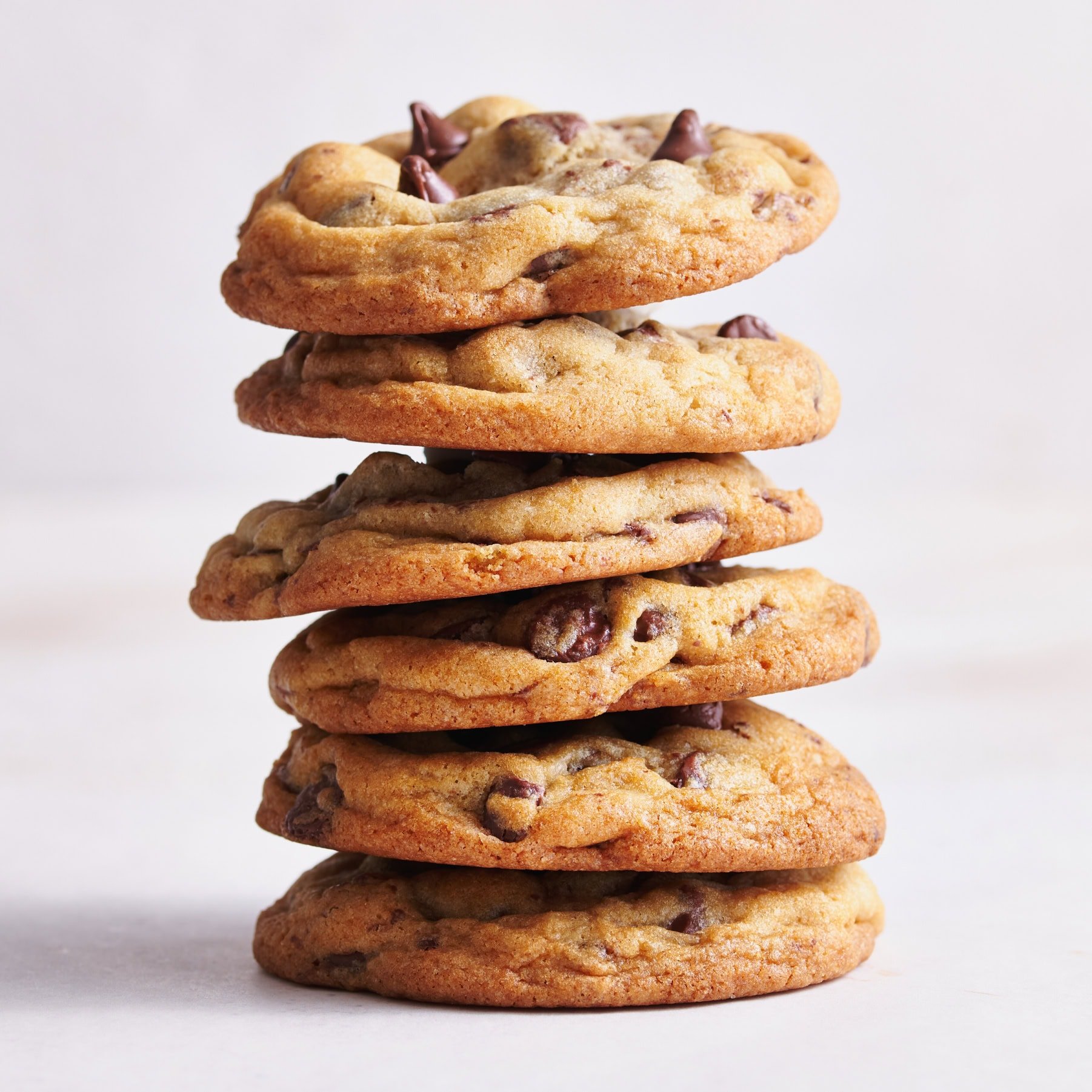
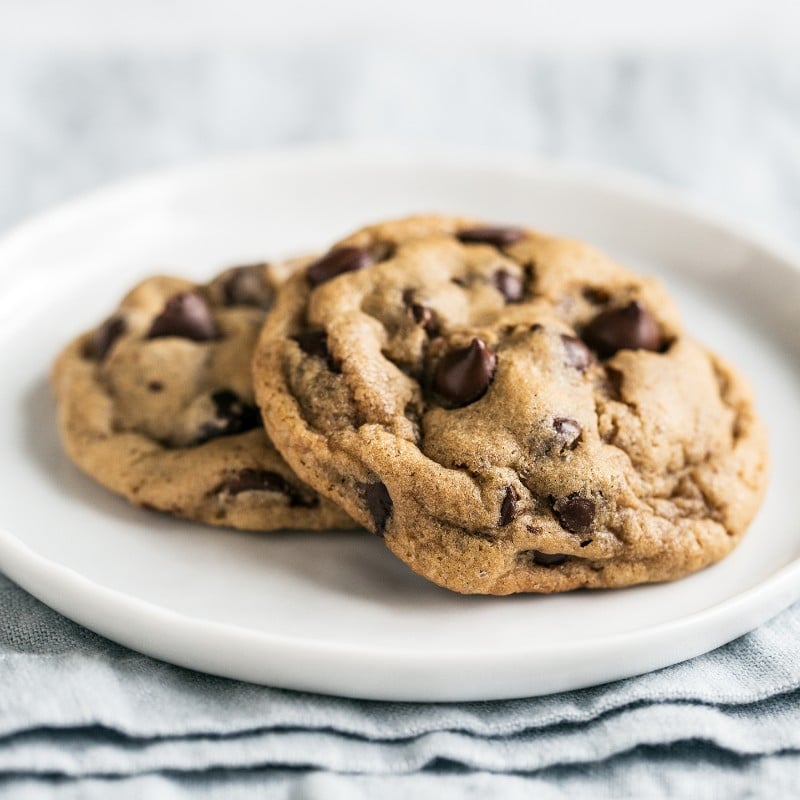
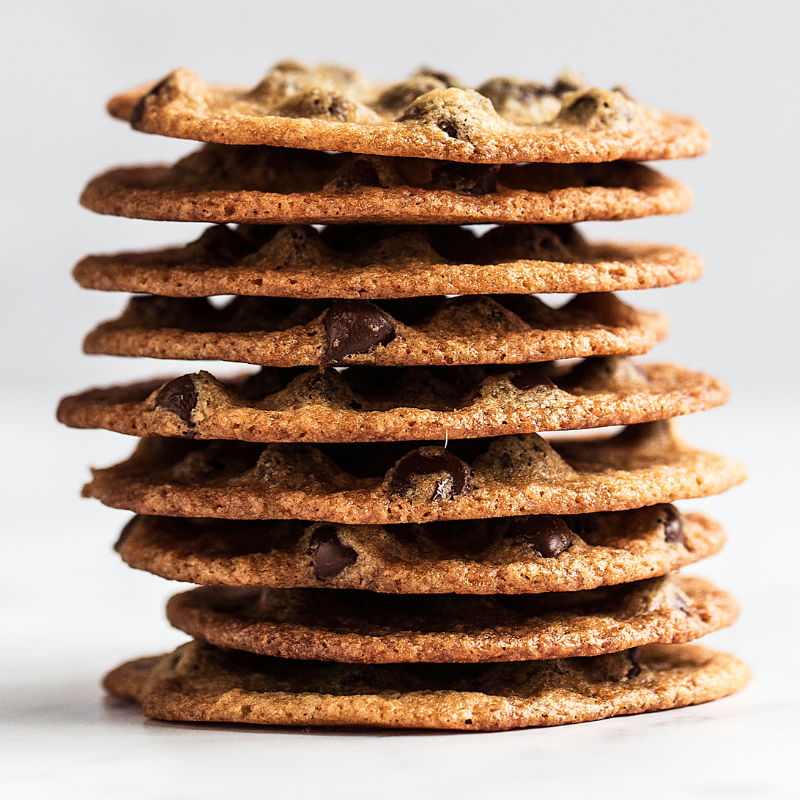
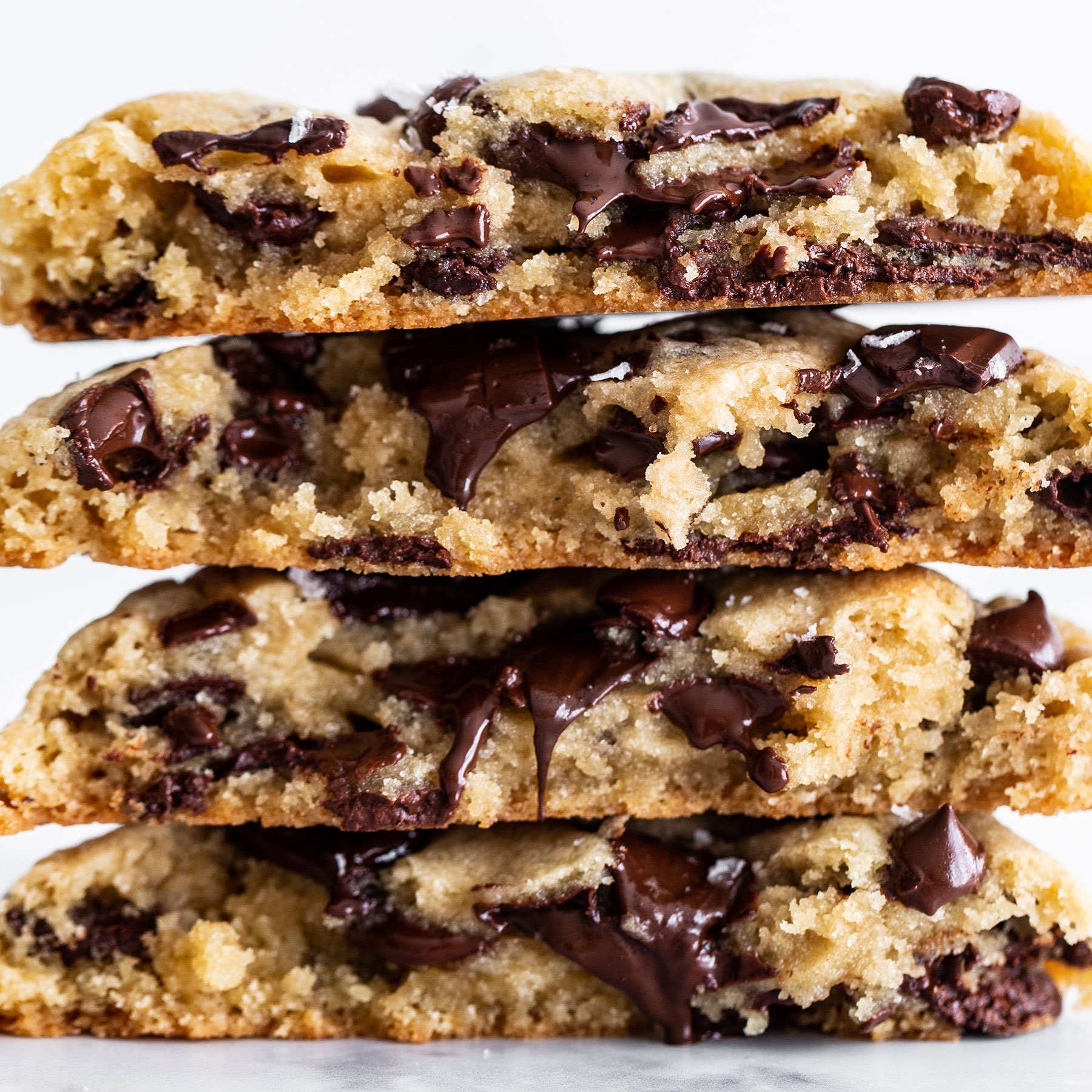
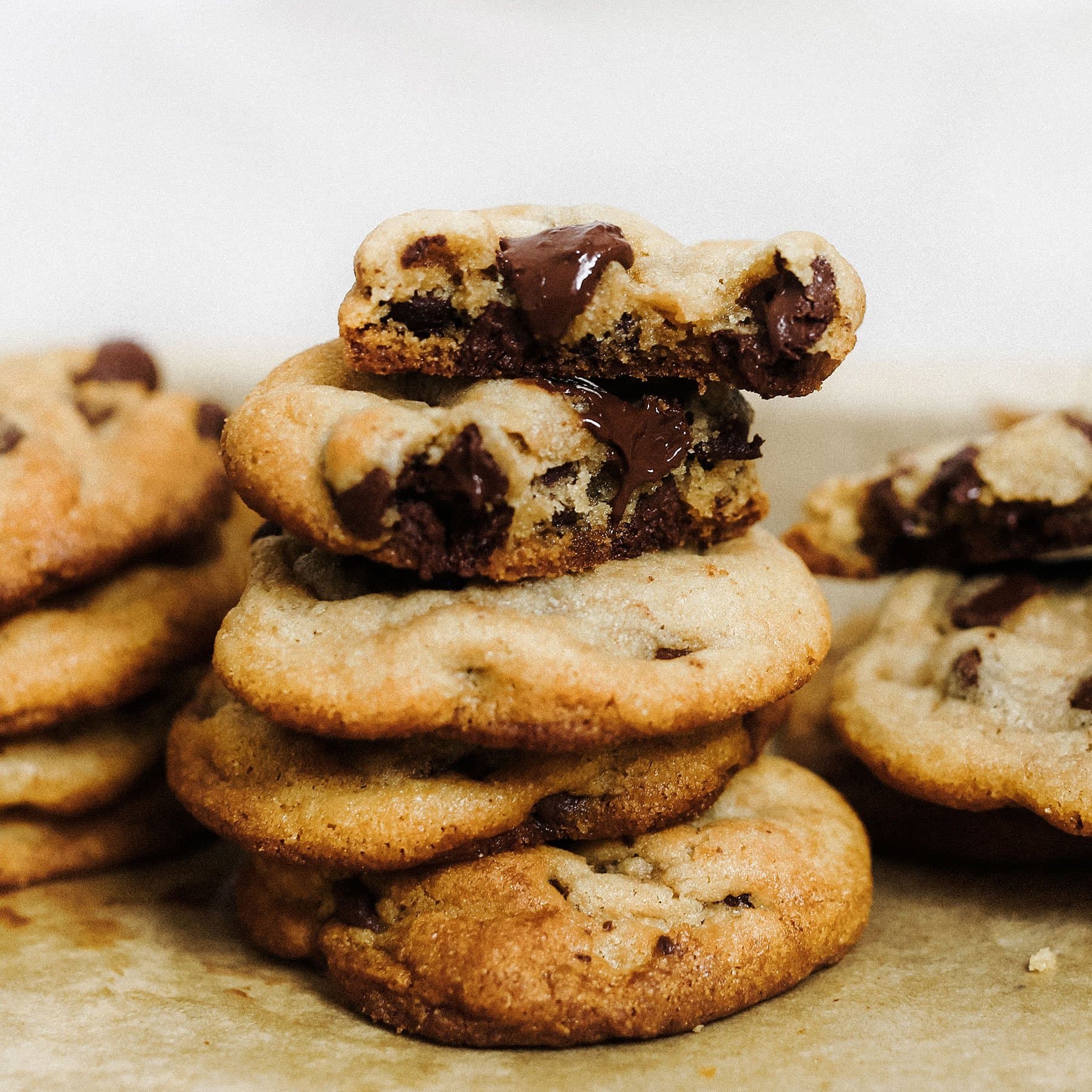
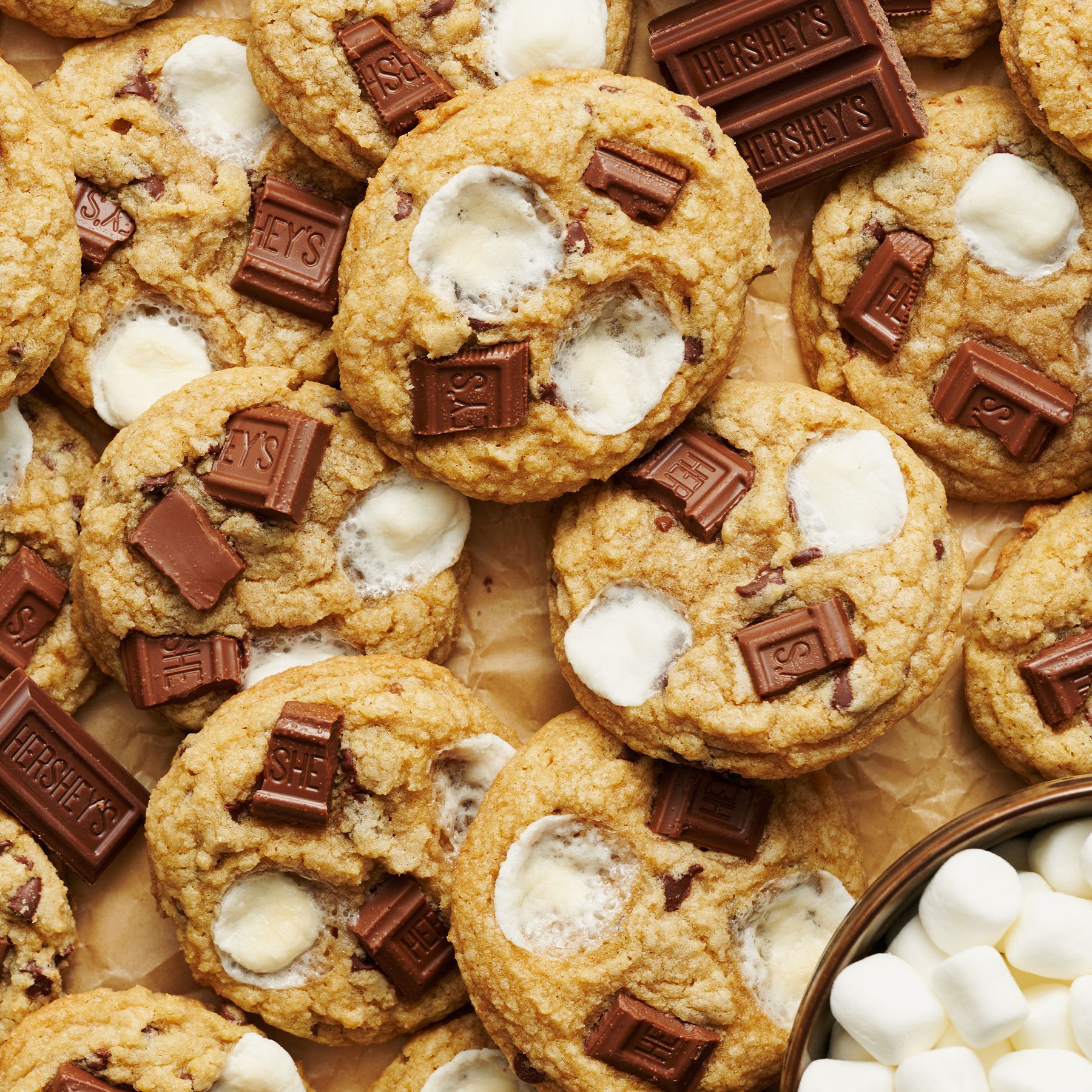
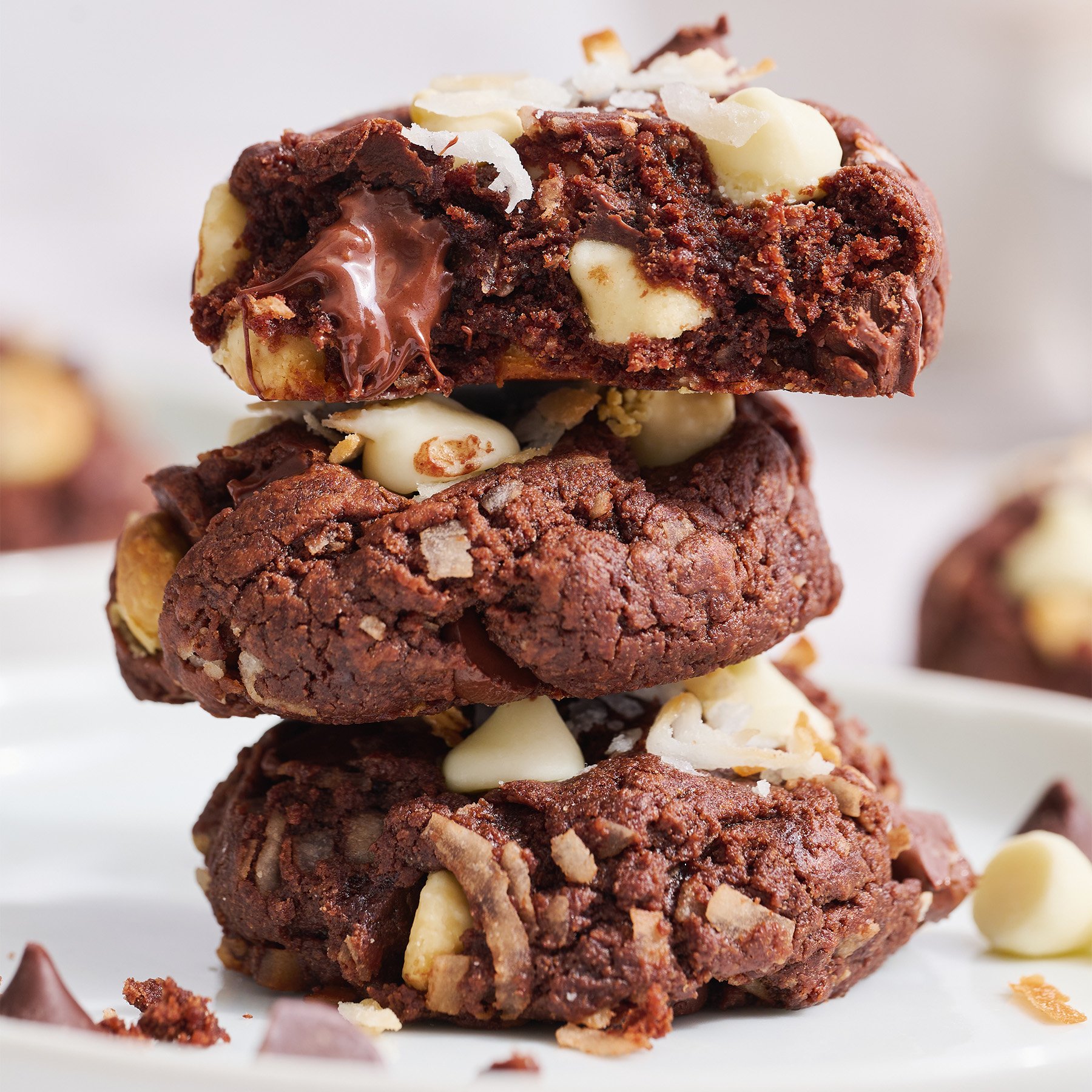
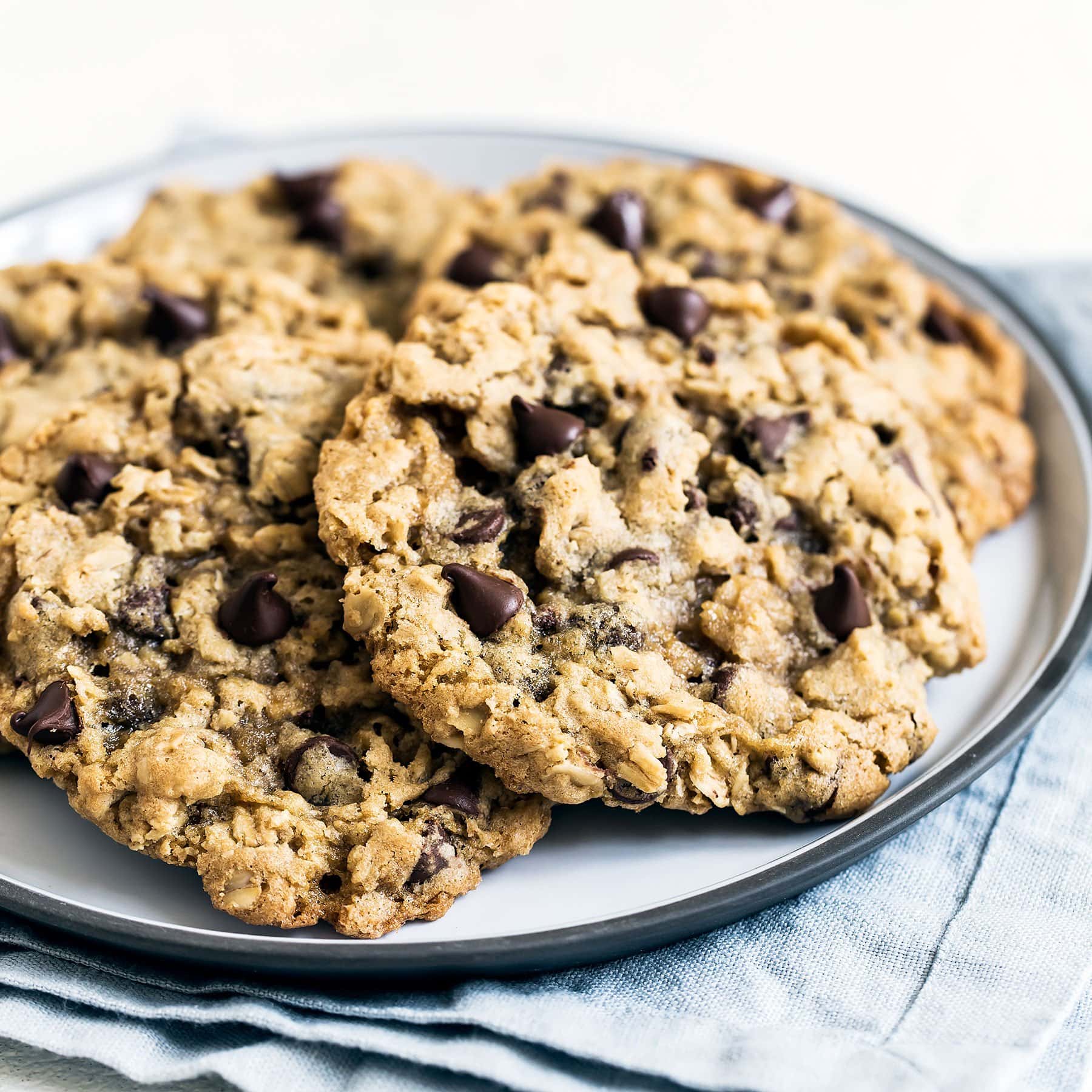
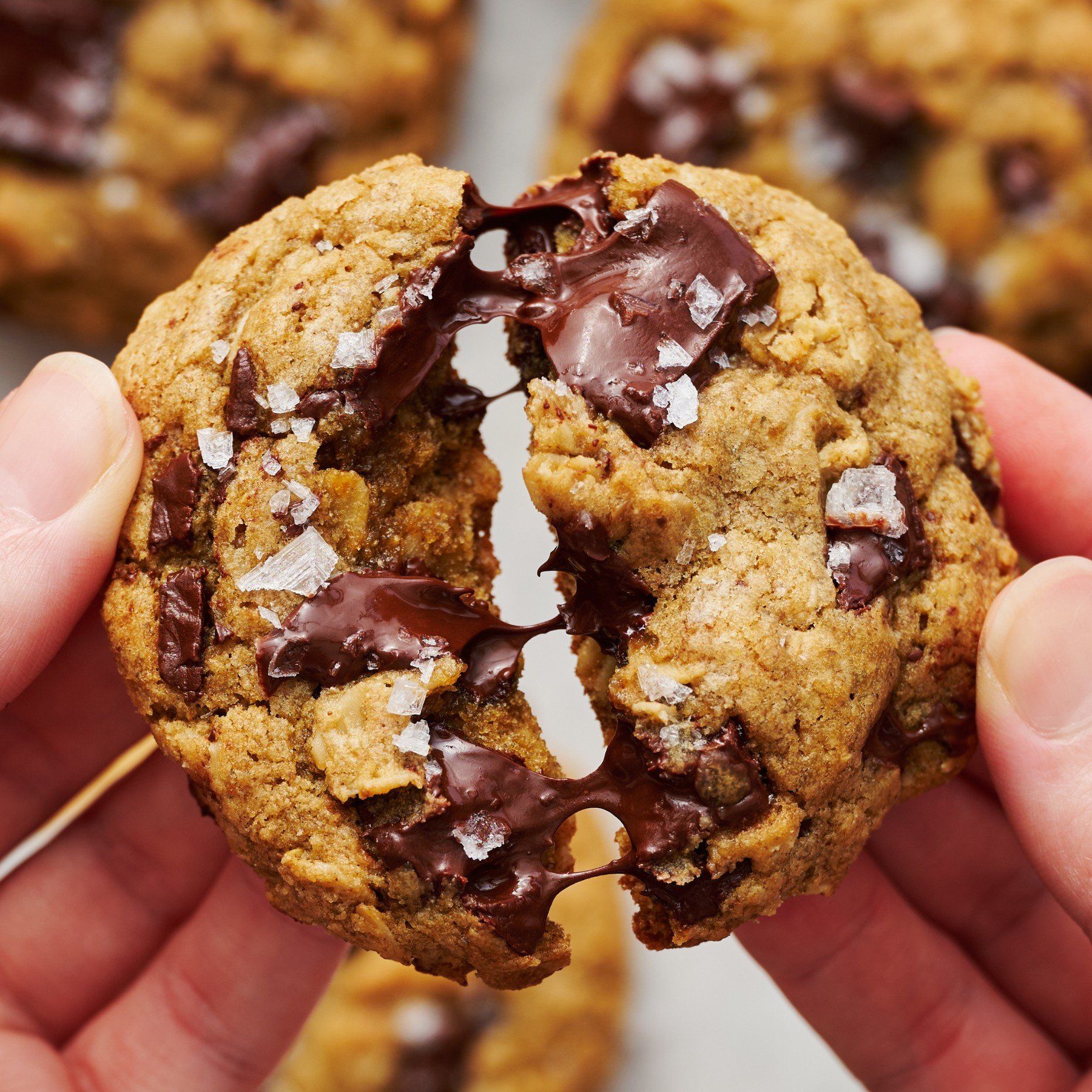
Whether your perfect cookie is thick and bakery-style, soft and chewy, thin and crispy, or you love something a little more over the top, you’ll find that recipe (and dozens more!) below.
I’ve also rounded up my favorite cookie baking tips, troubleshooting help, and essential tools to help you bake your best batch yet.
Find Your Perfect Cookie
| If you’re craving… | Bake this! |
|---|---|
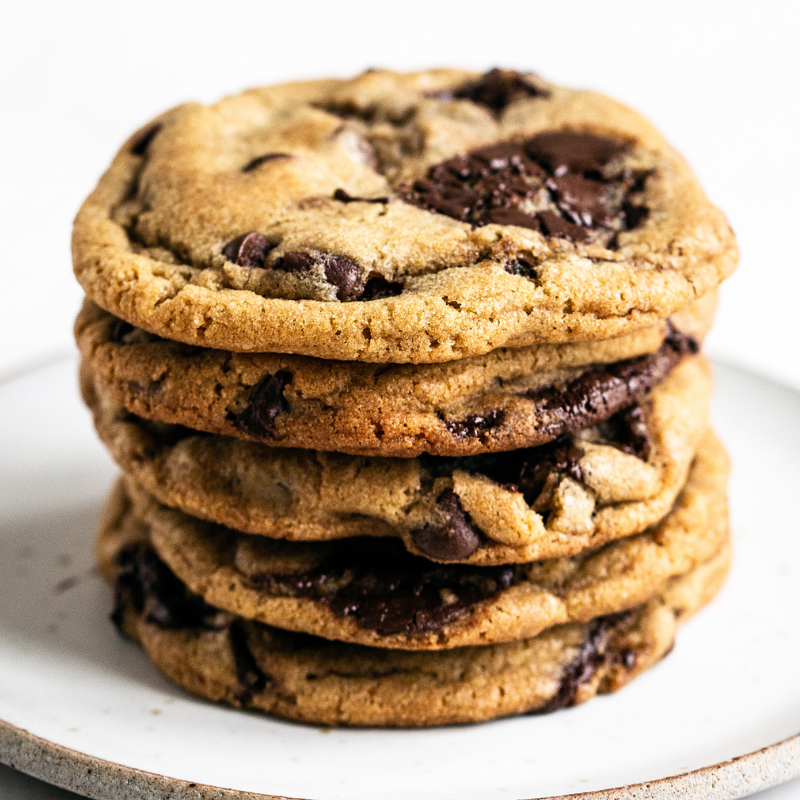
| Thick & bakery-style cookies | Bakery Style Chocolate Chip Cookies |
| Soft & chewy | Soft Chocolate Chip Cookies |
| Thin & crispy | Thin & Crispy Chocolate Chip Cookies |
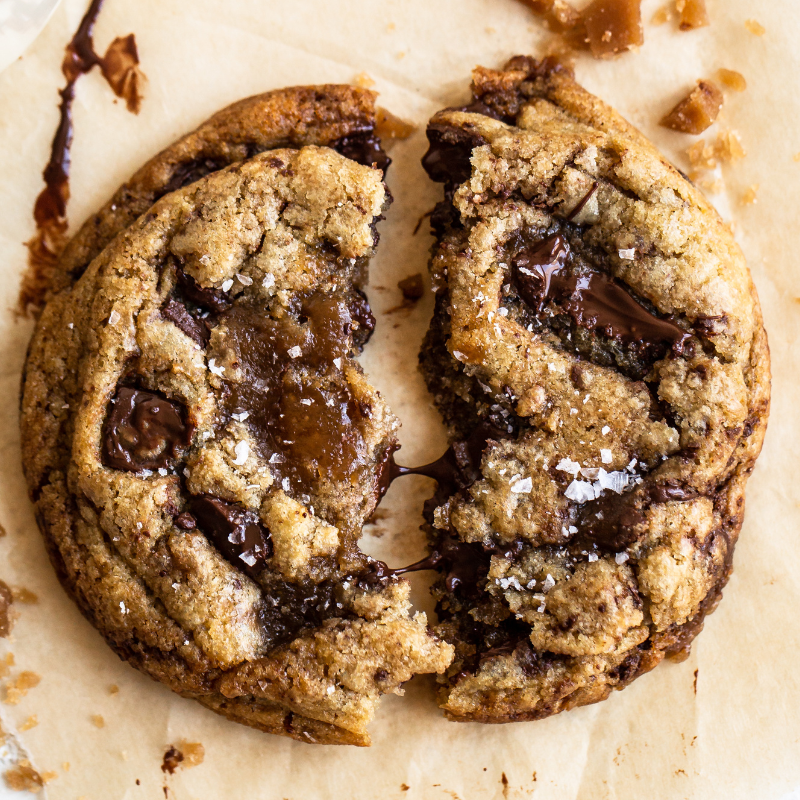
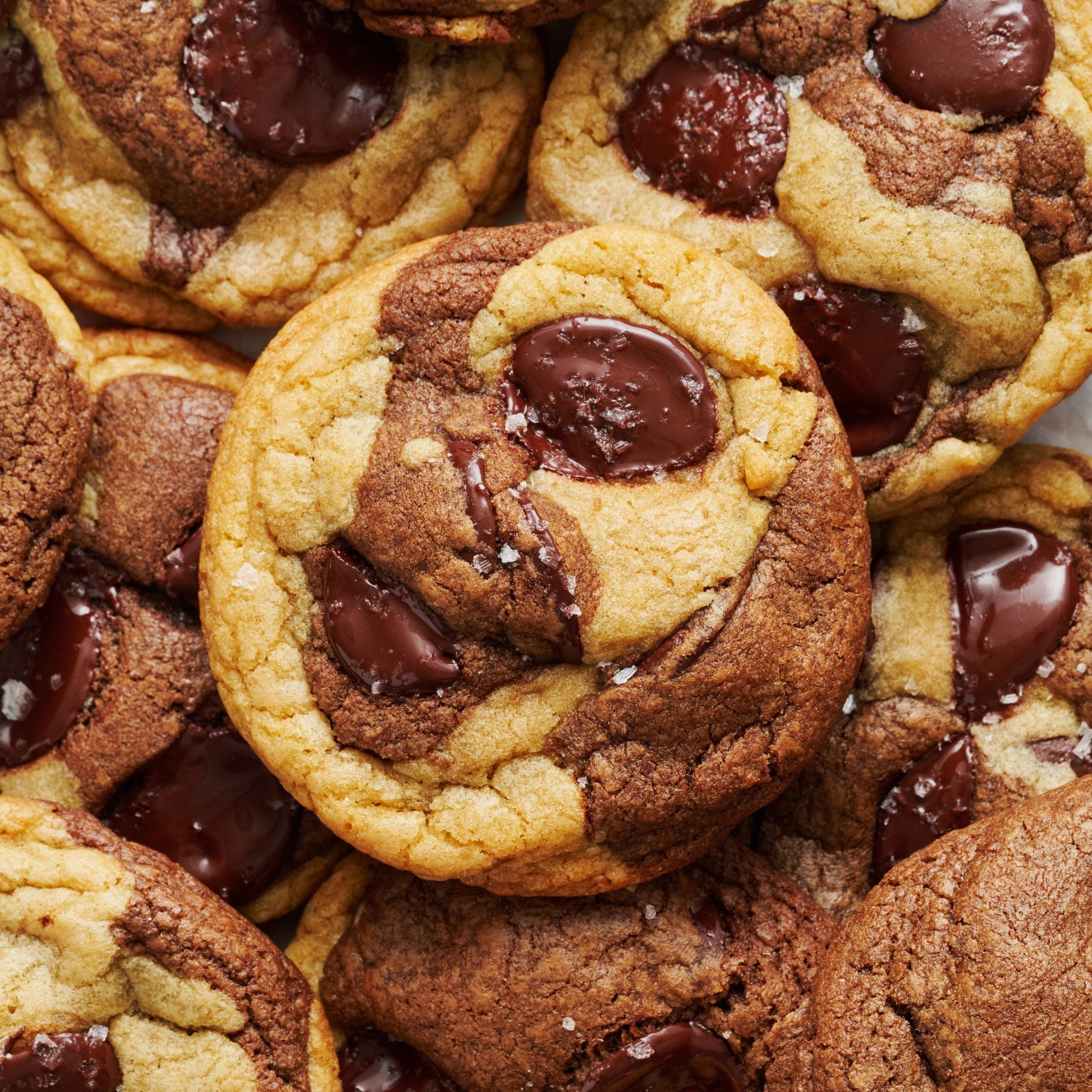
| Rich brown butter | Brown Butter Chocolate Chip Cookies |
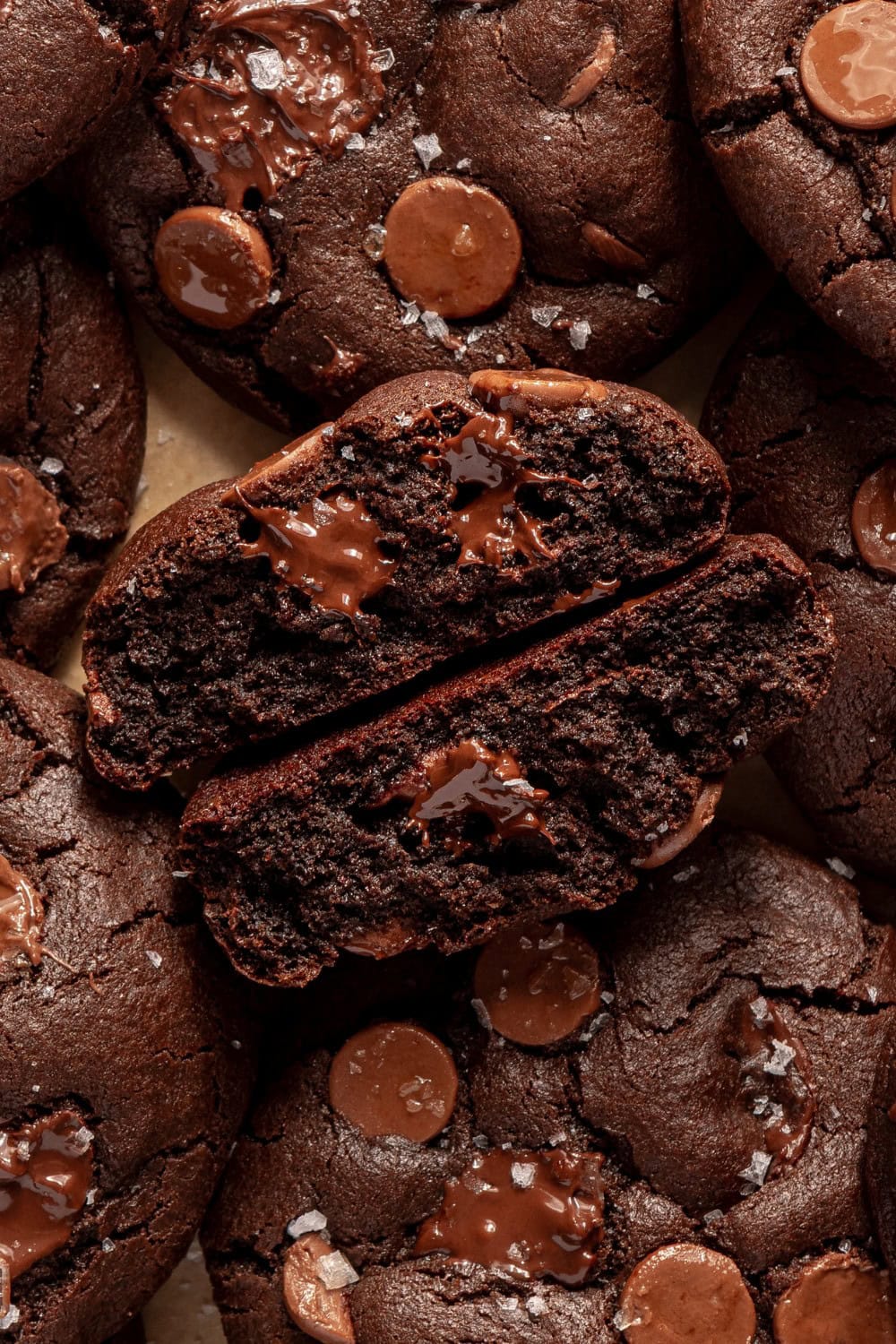
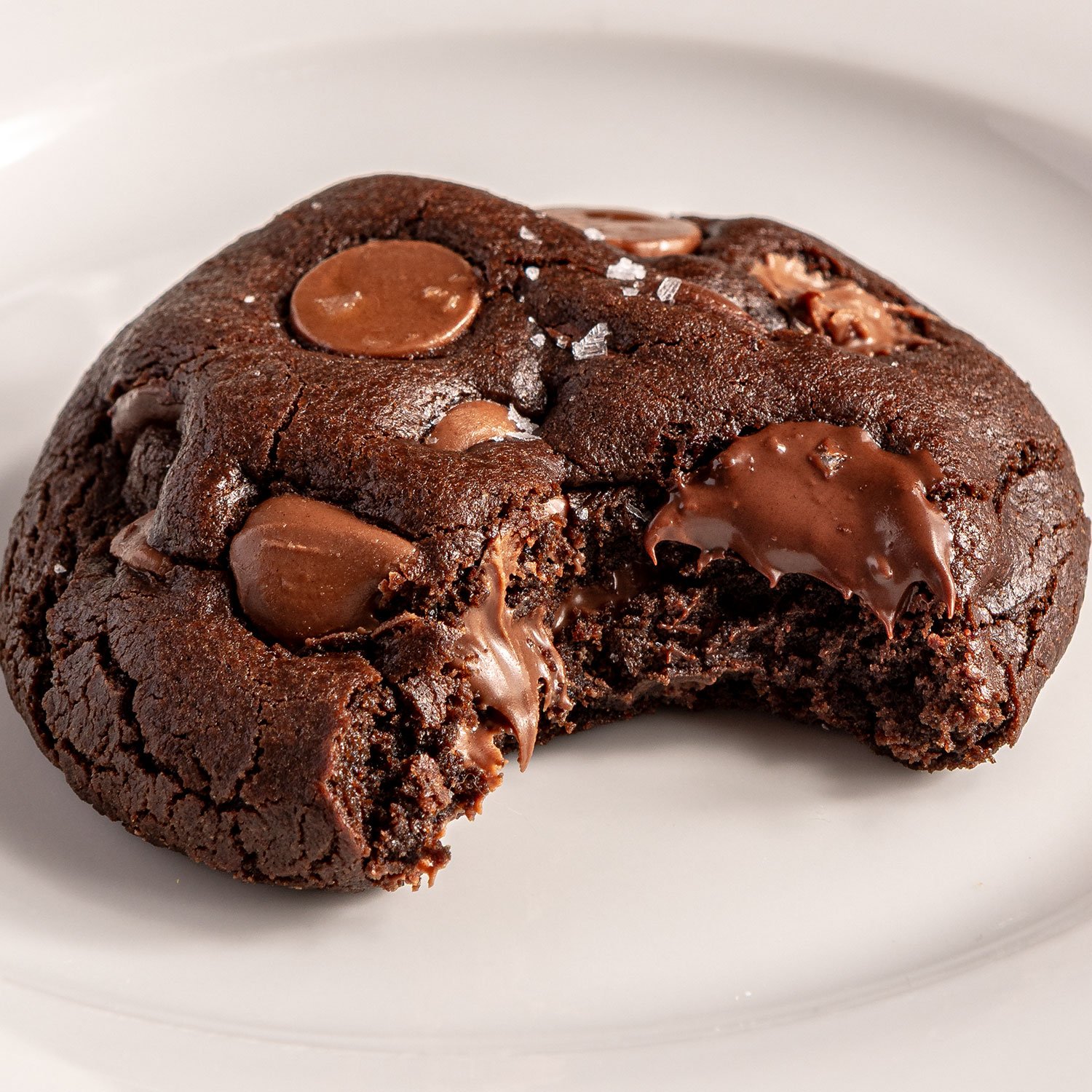
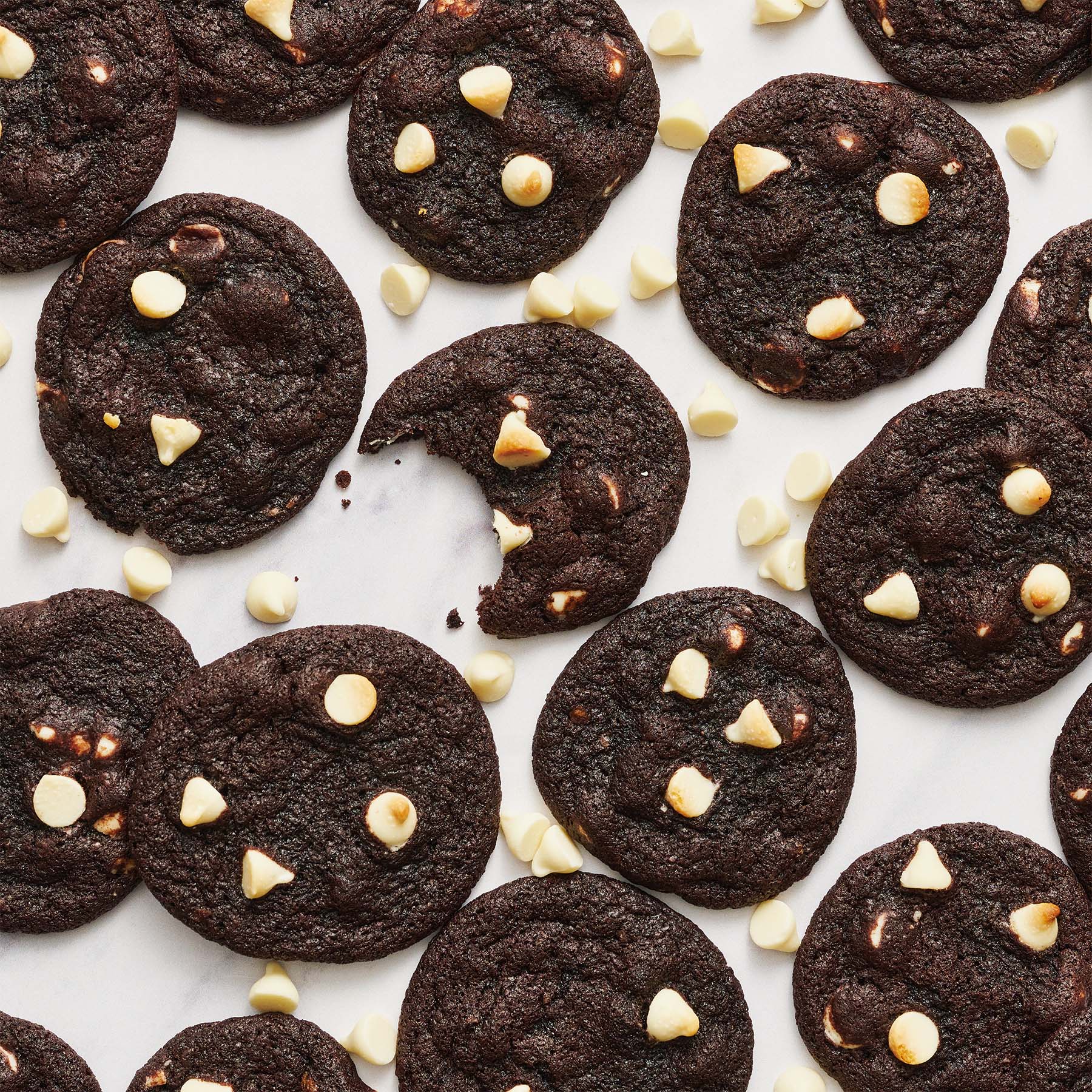
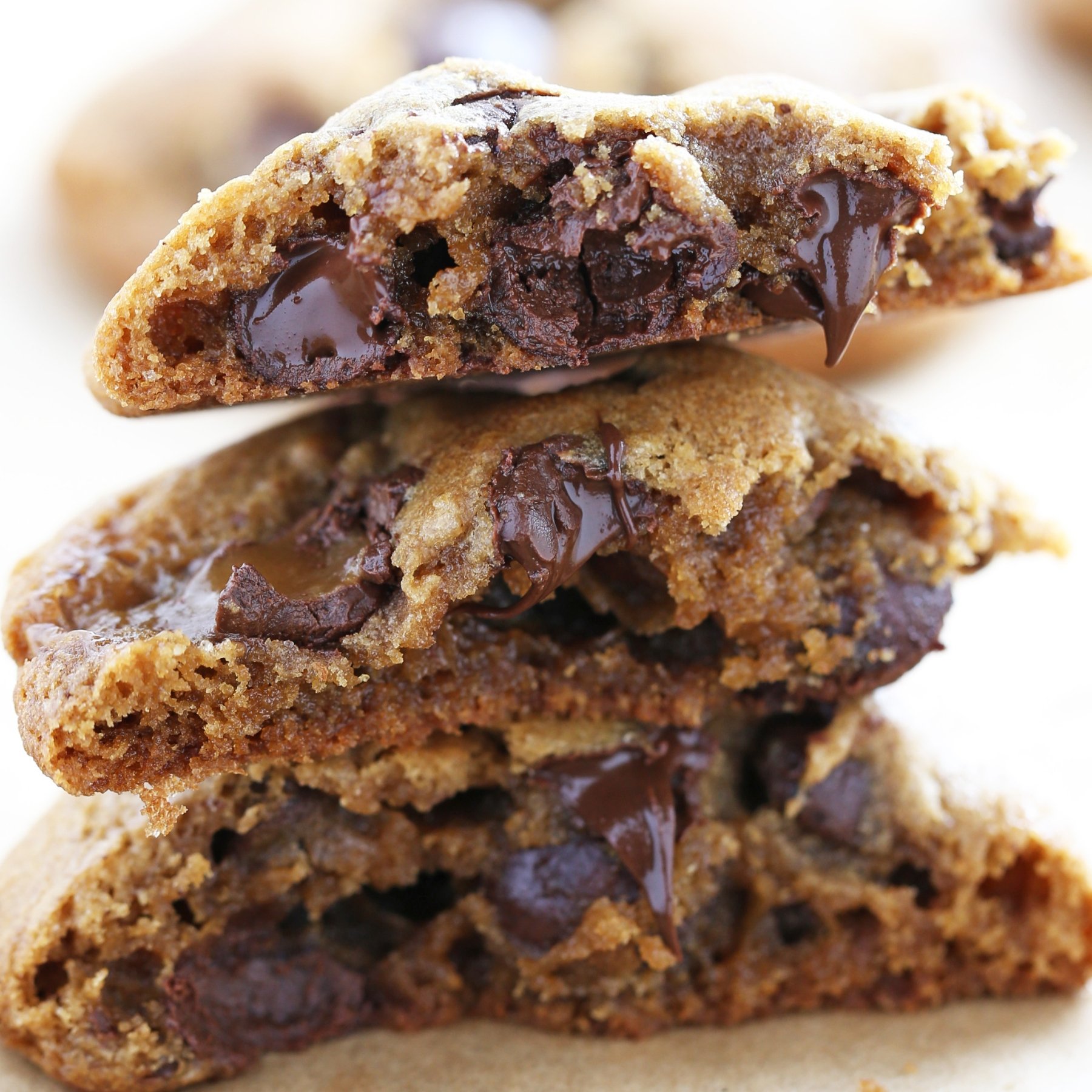
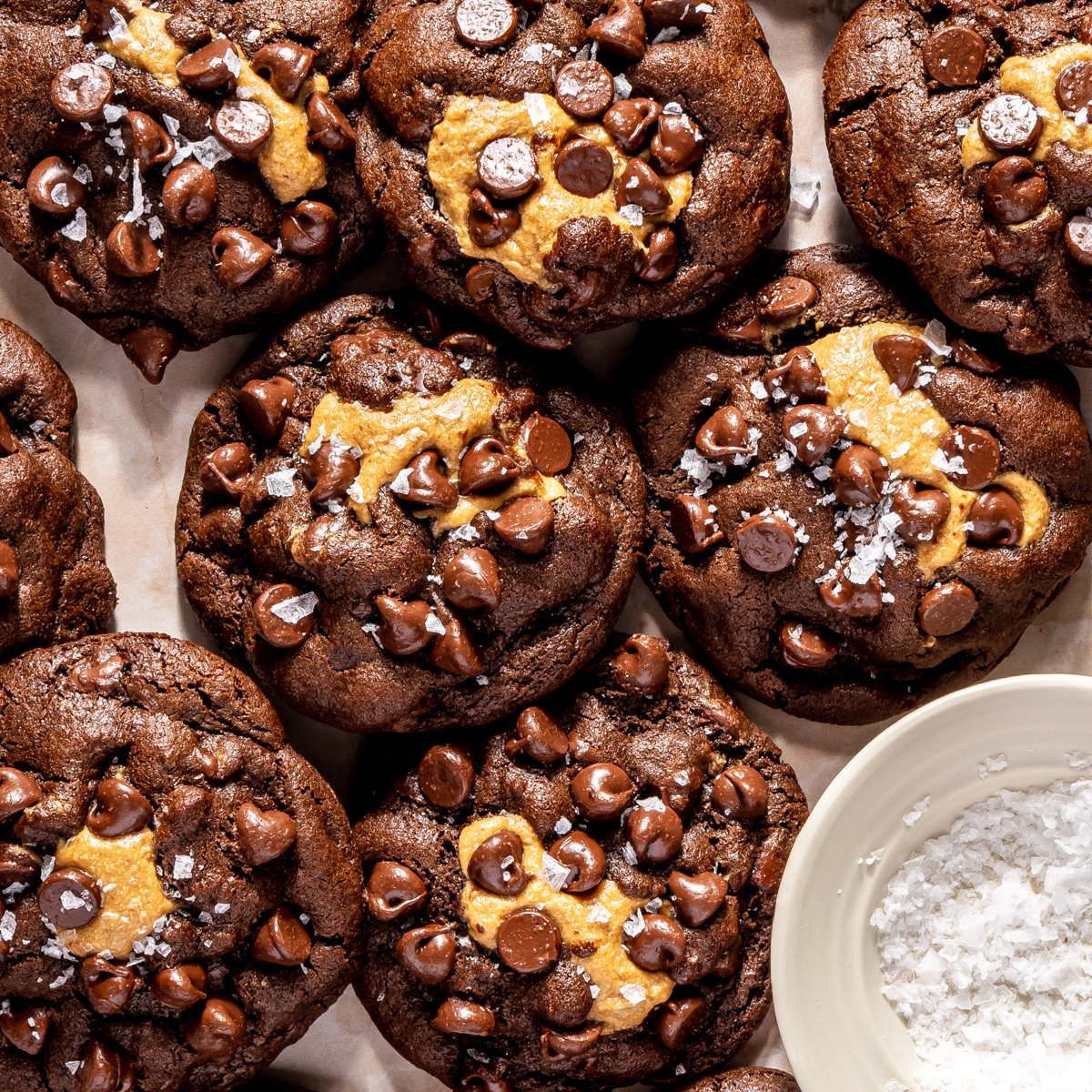
| Extra chocolatey | Double Chocolate Chip Cookies |
| Giant cookies | Giant Chocolate Chip Cookies |
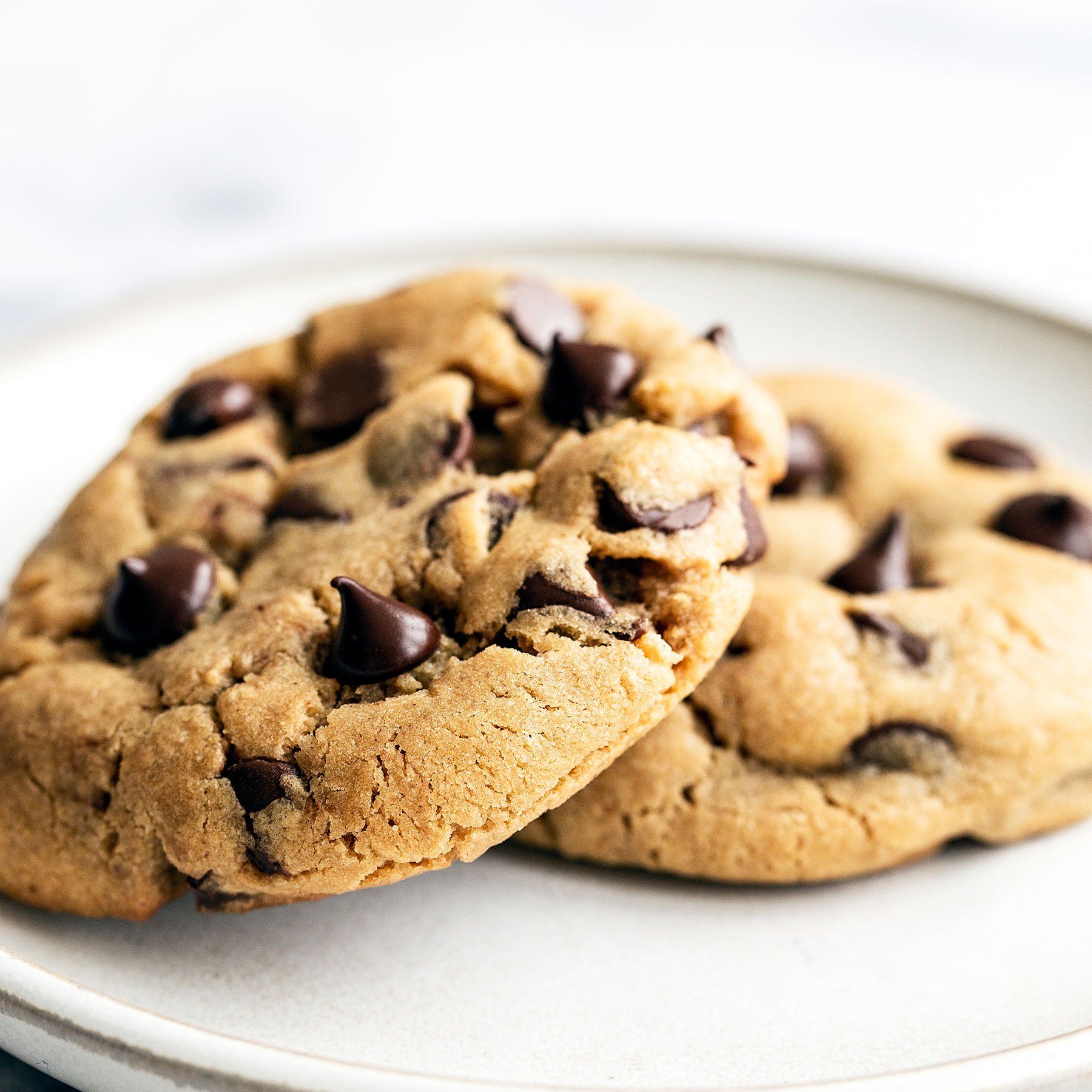
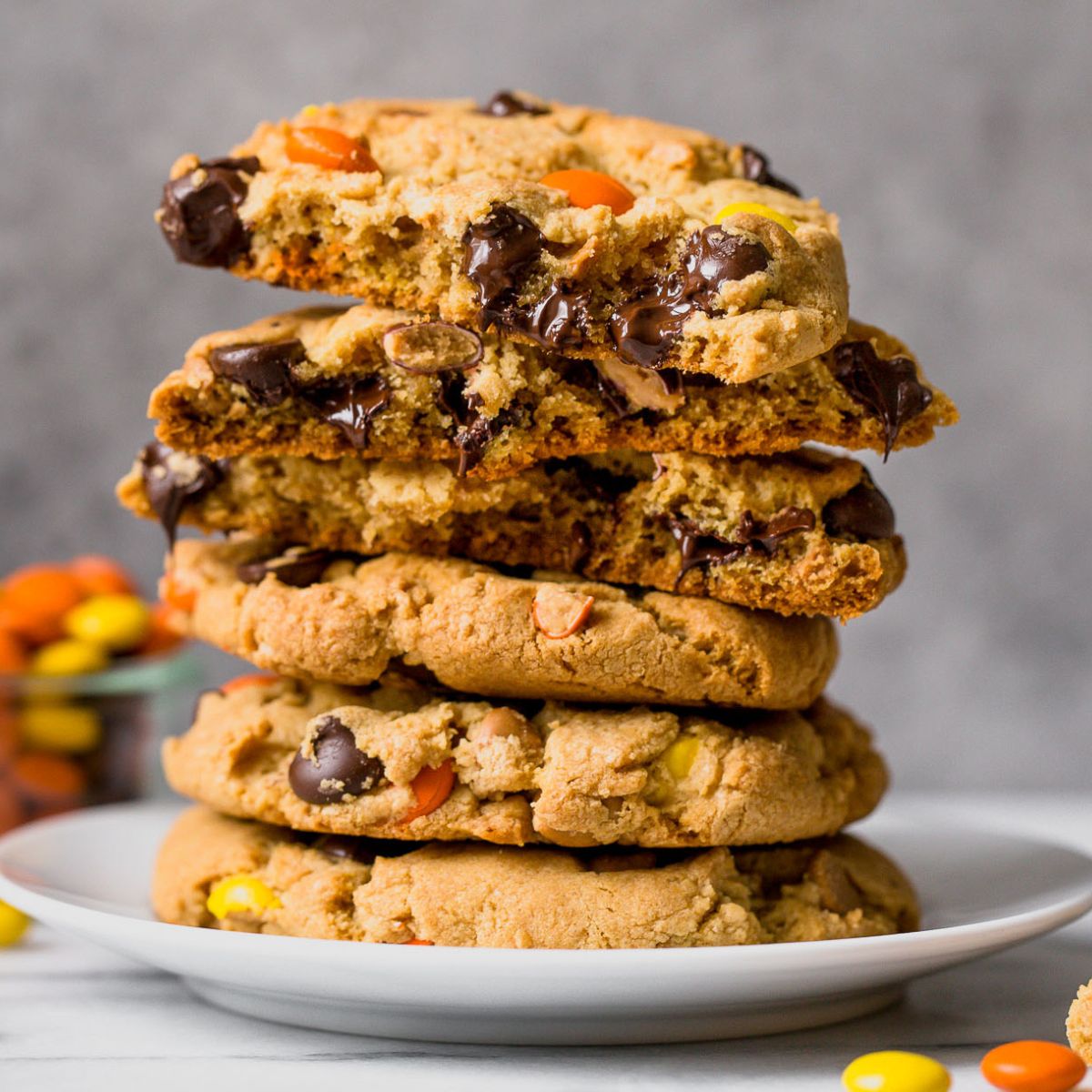
| Peanut butter | Peanut Butter Chocolate Chip Cookies |
| Loaded with mix-ins | Monster Cookies |
| Tessa’s favorite ⭐ | Brown Butter Toffee Chocolate Chip Cookies |
| A unique twist | Browse the recipes below! |
Chocolate Chip Cookie Classics
Rich & Chocolatey
Brown Butter Lovers
Peanut Butter Favorites
Loaded & Over-the-Top
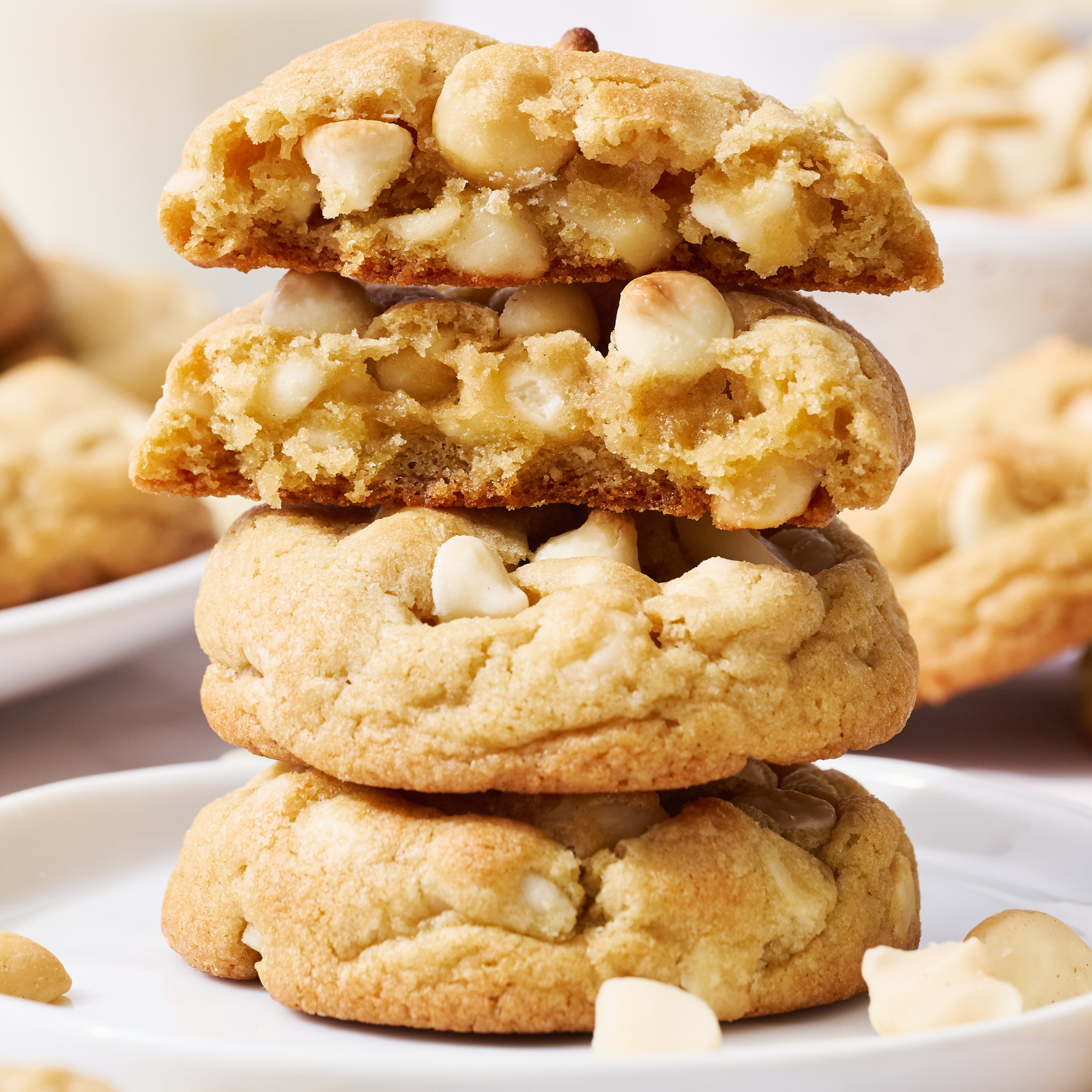
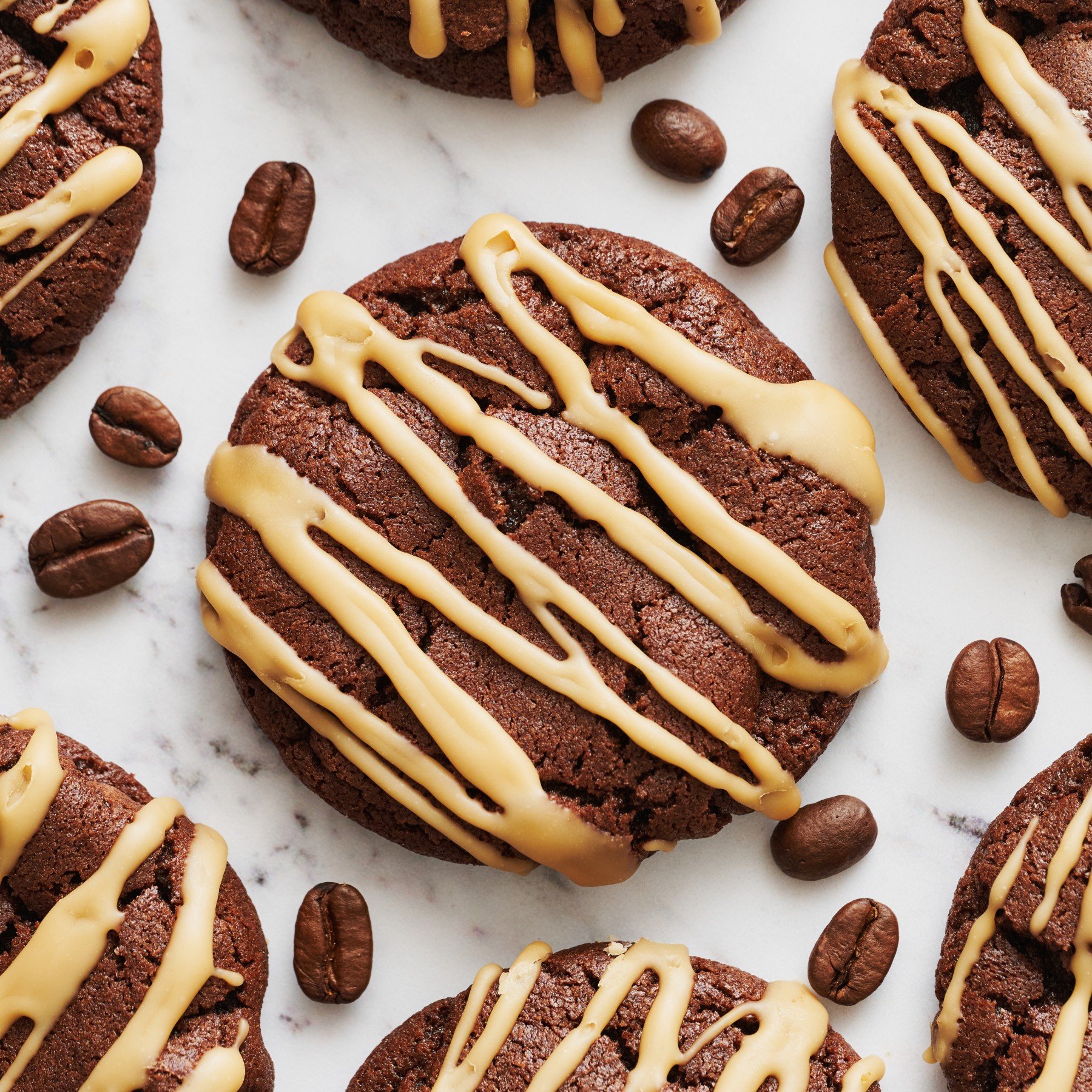
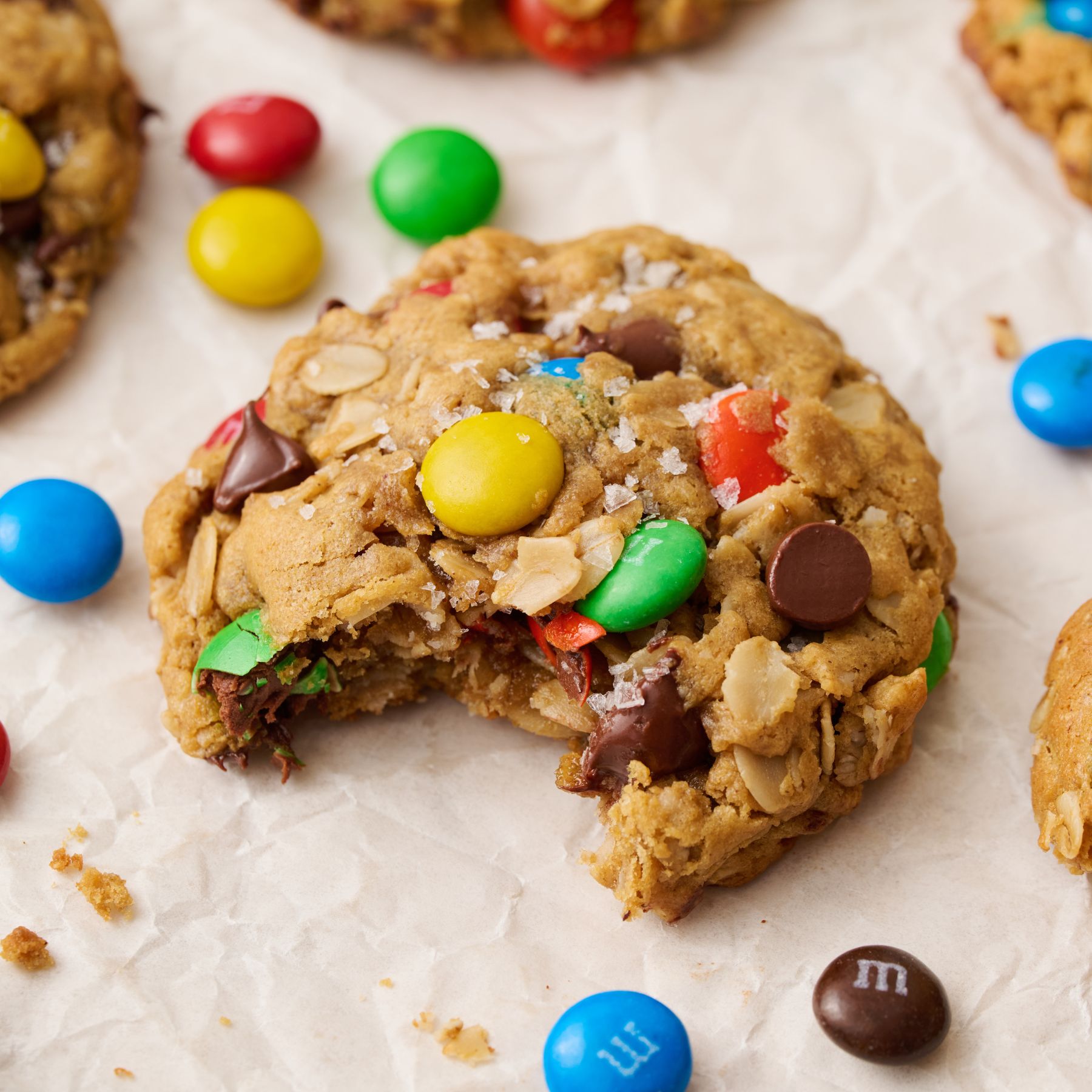
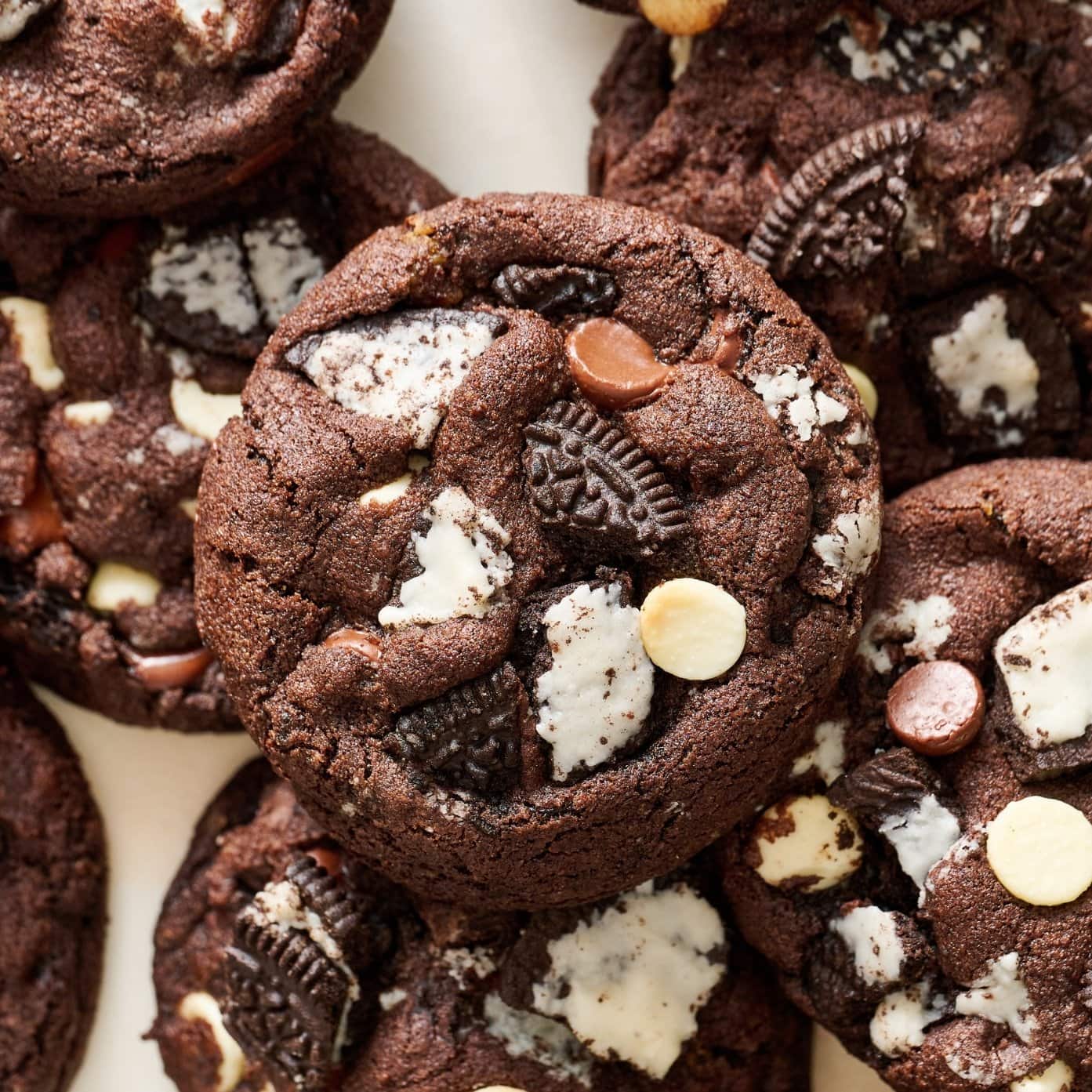
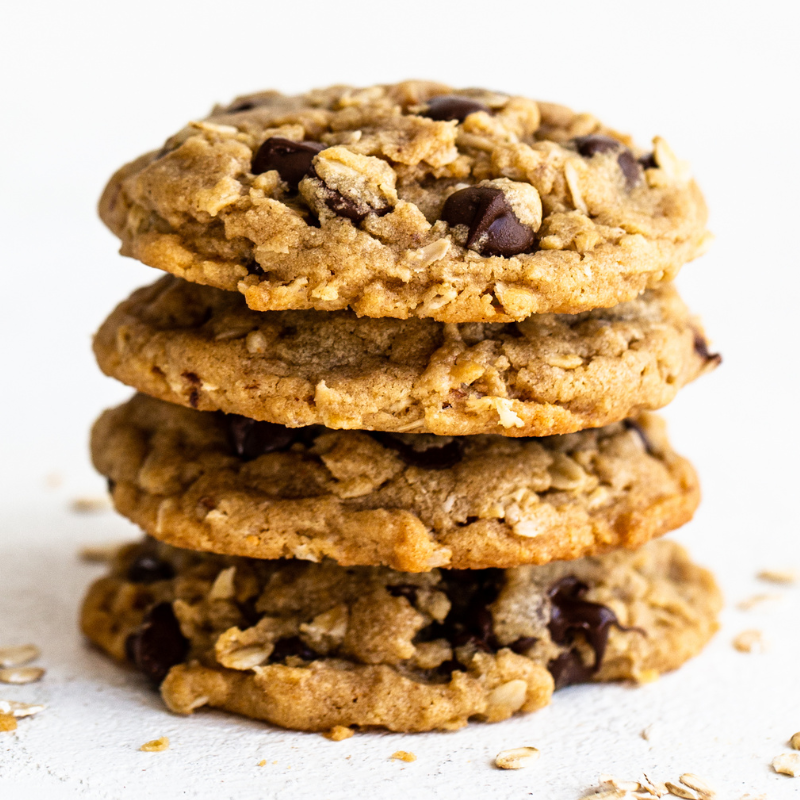
Oatmeal Cookies
Cookie Desserts
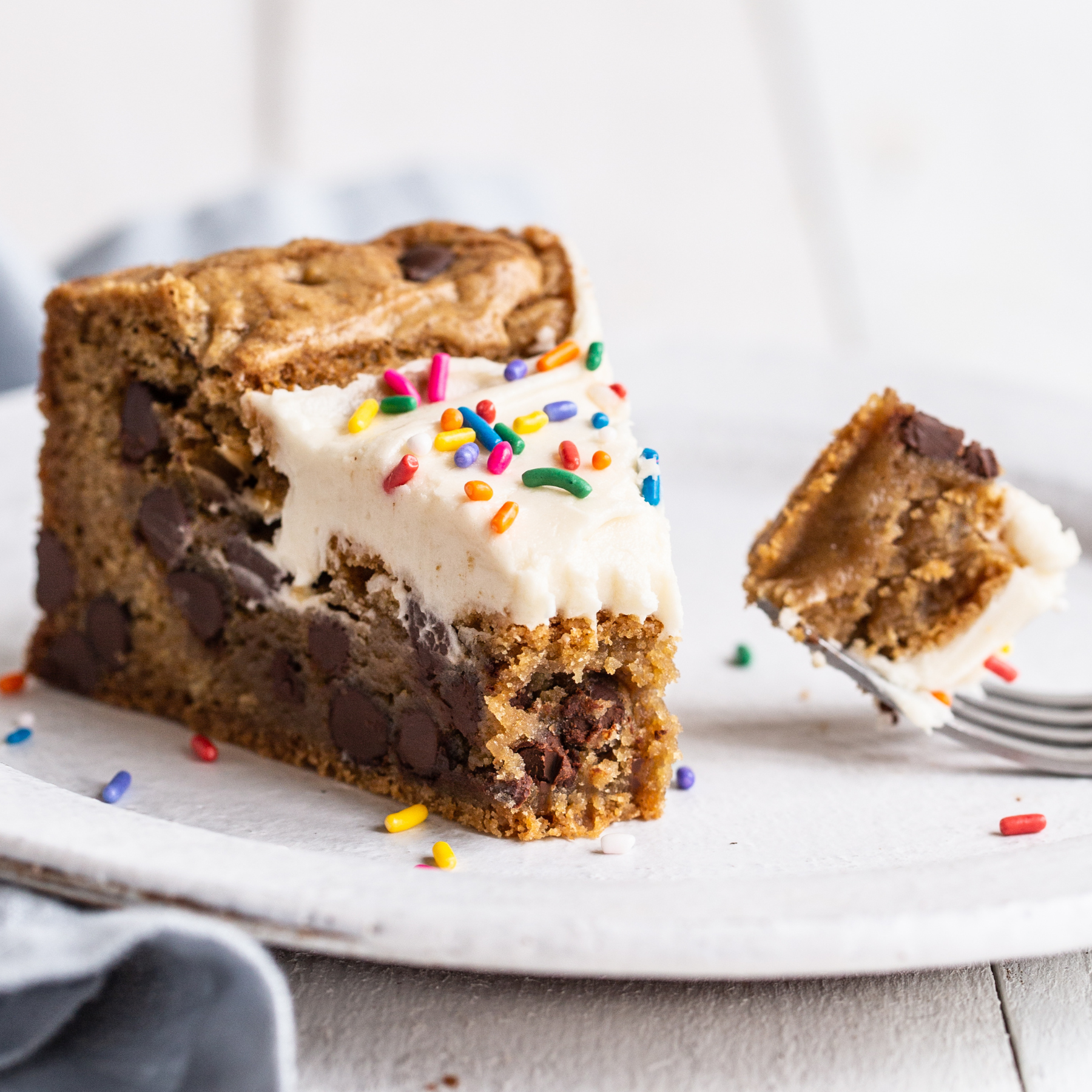
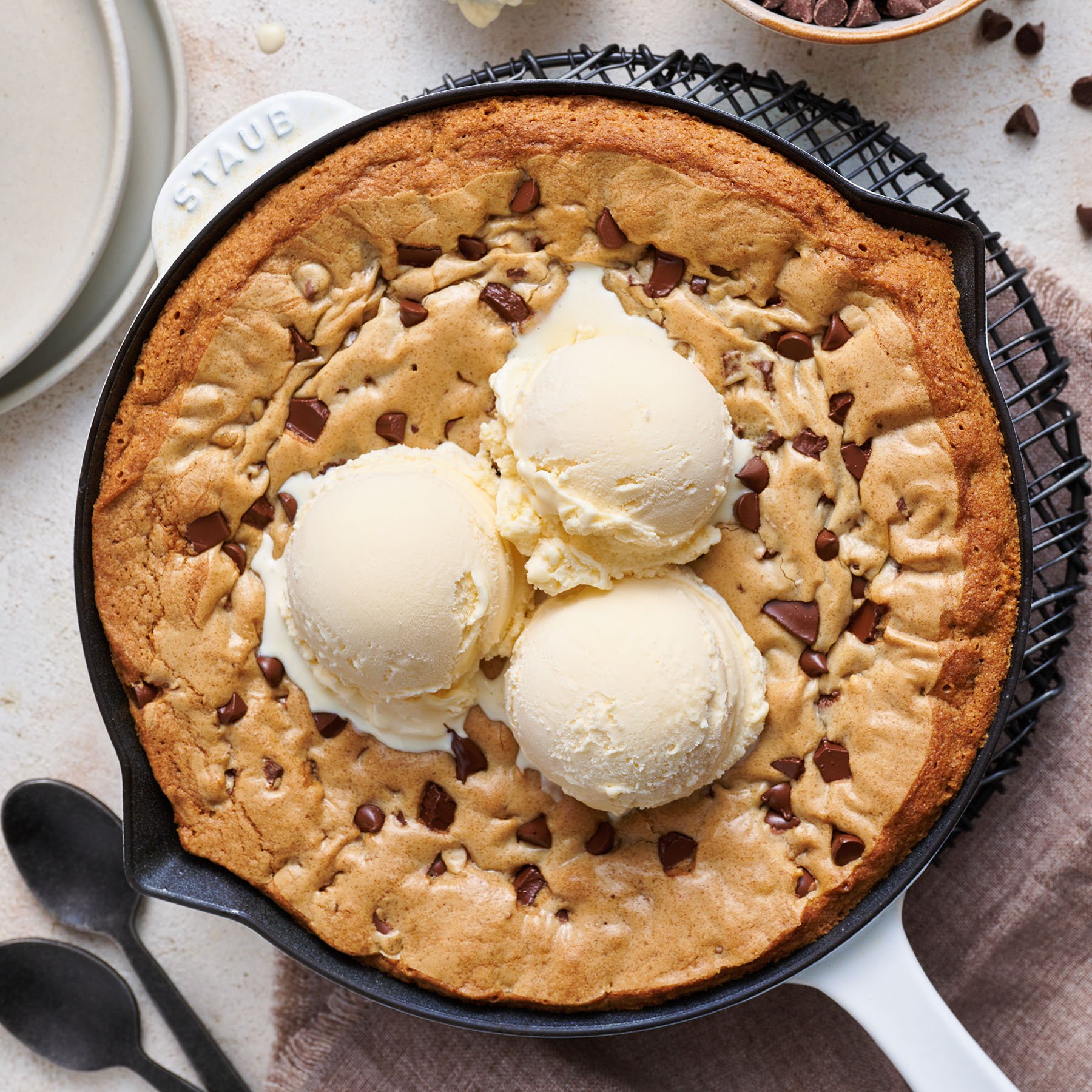
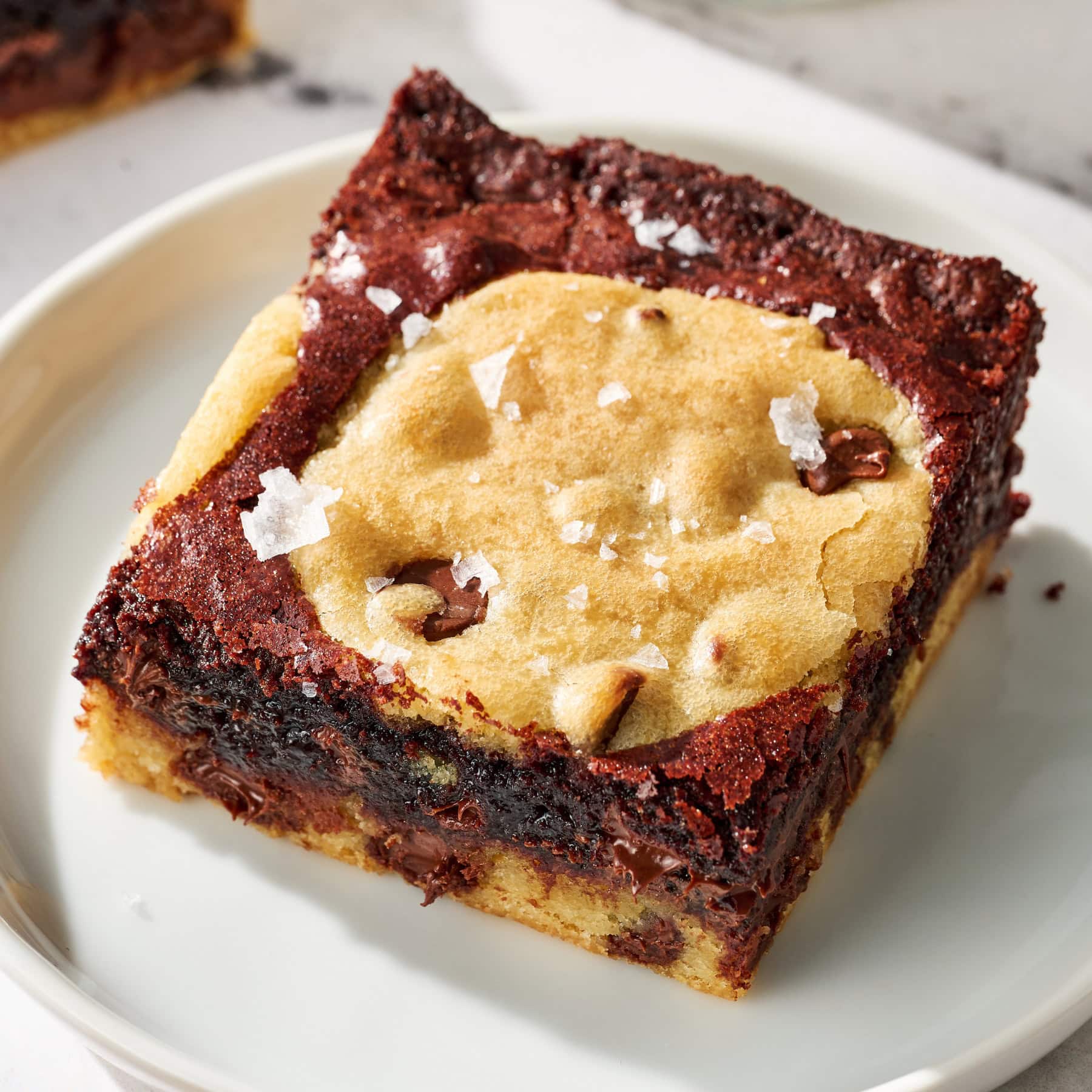
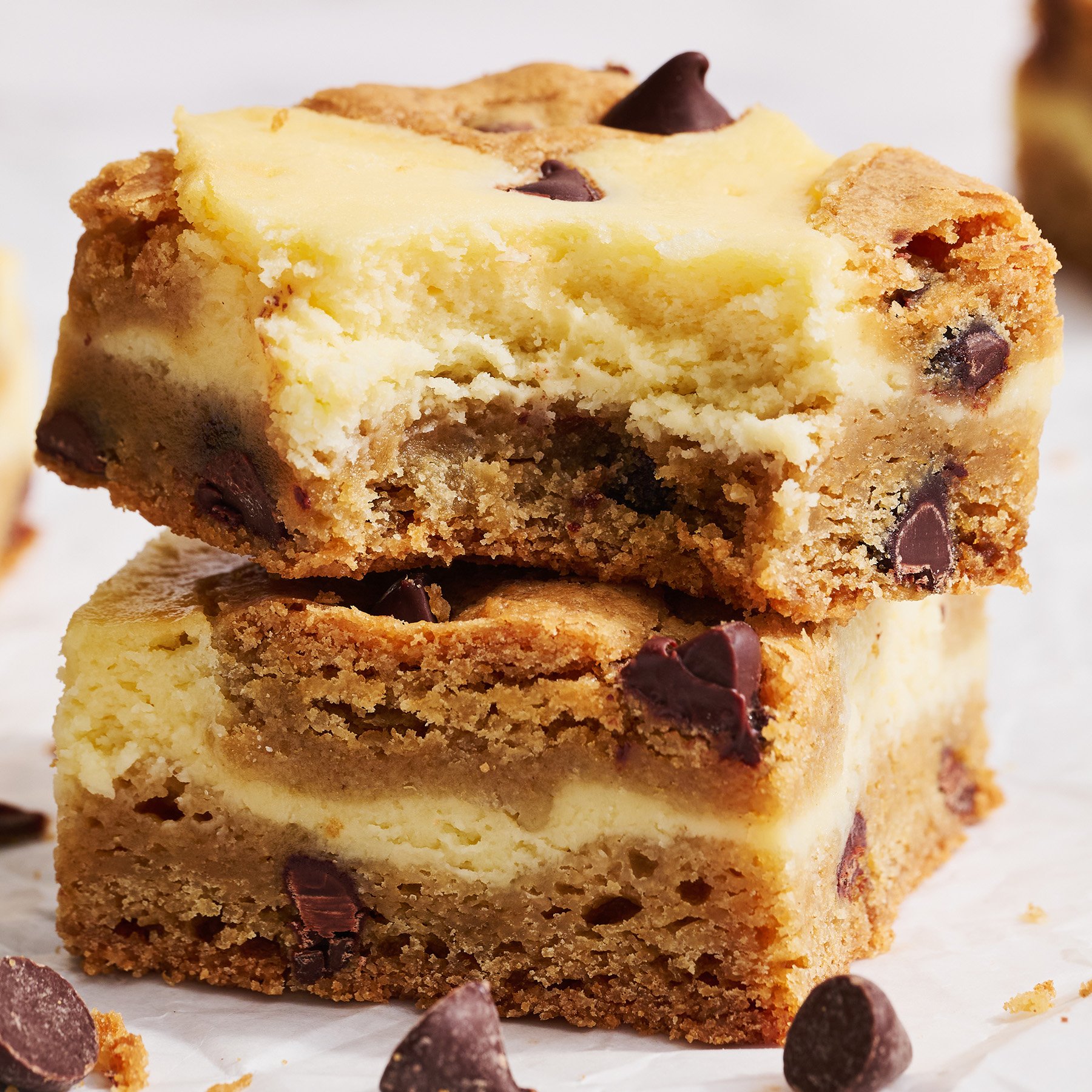
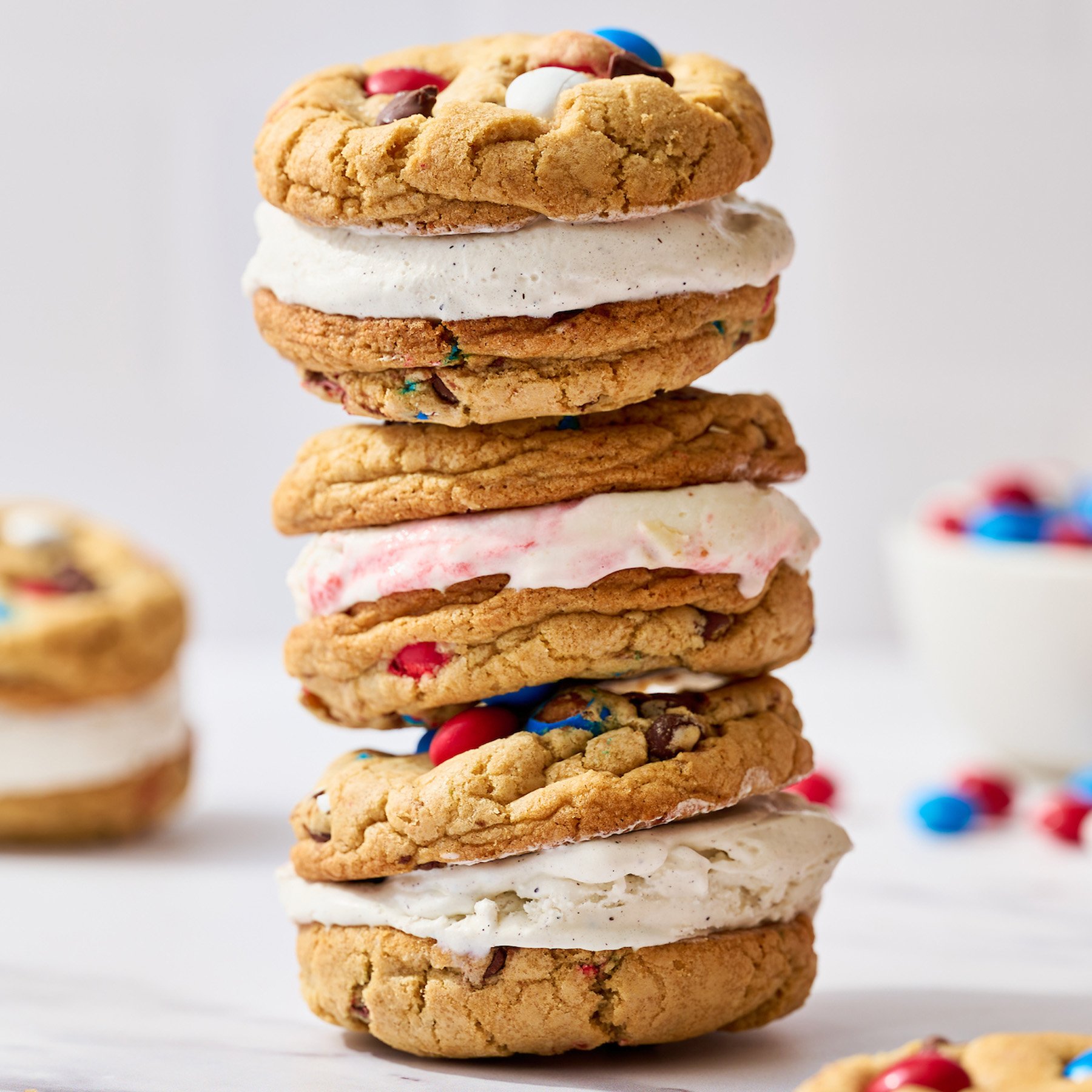
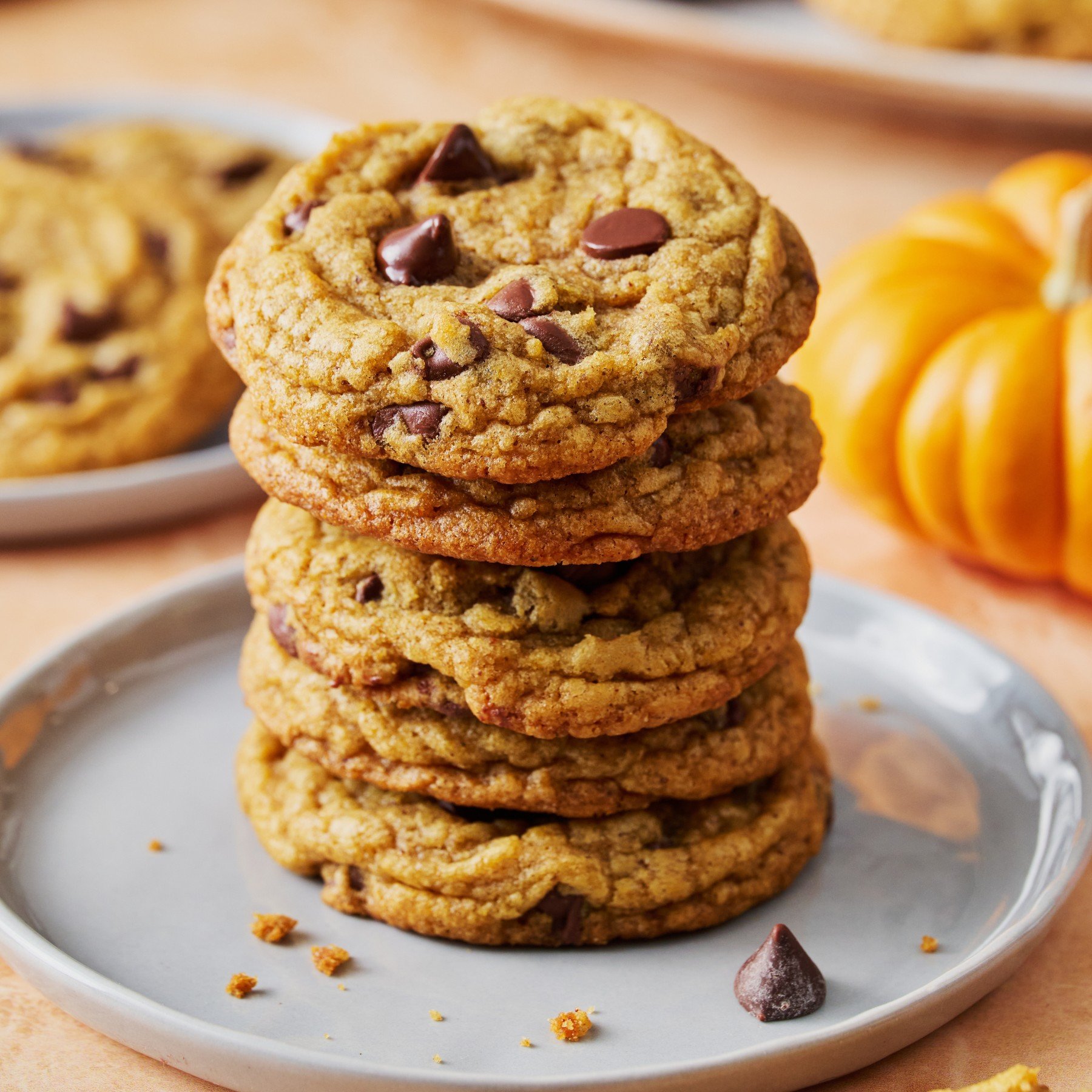
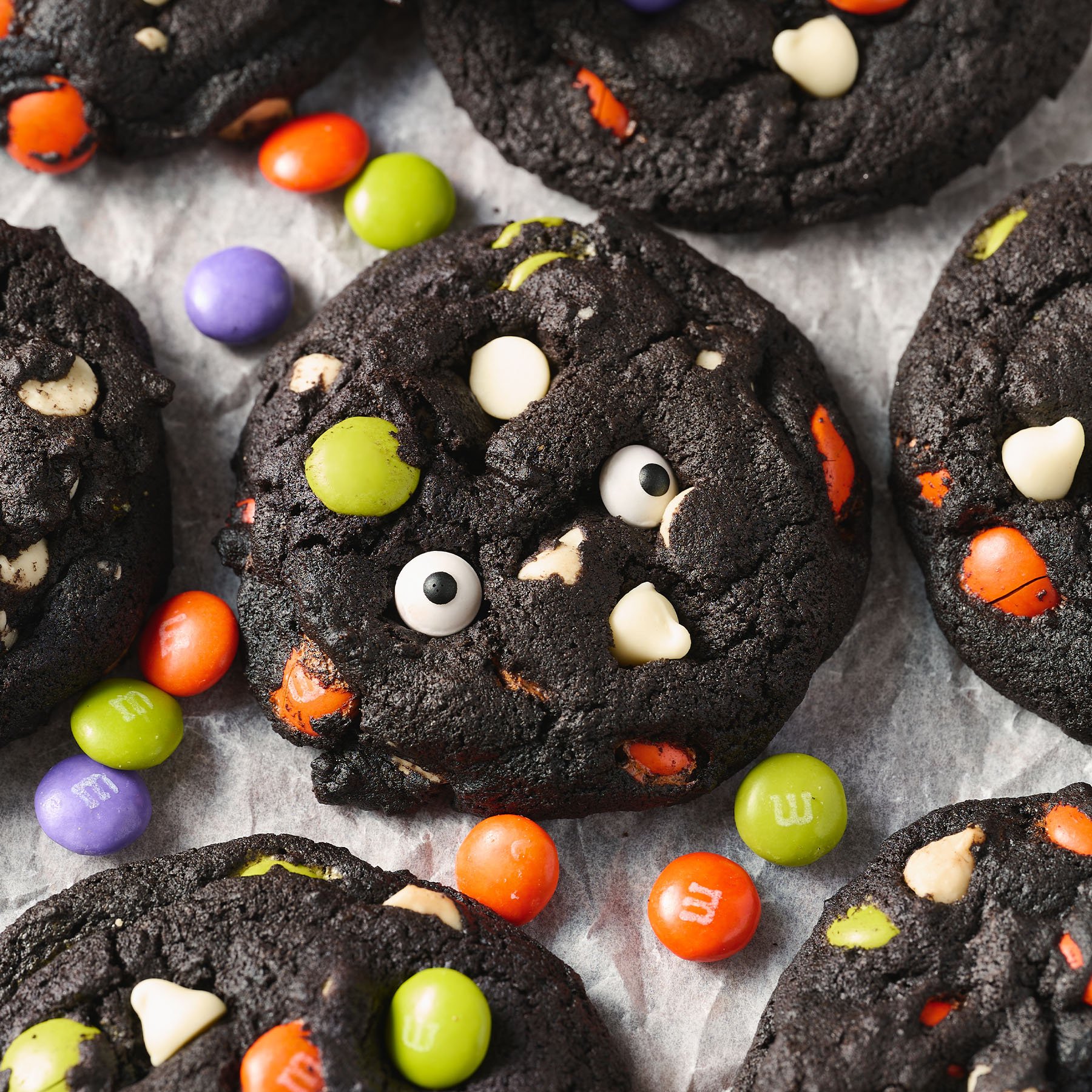
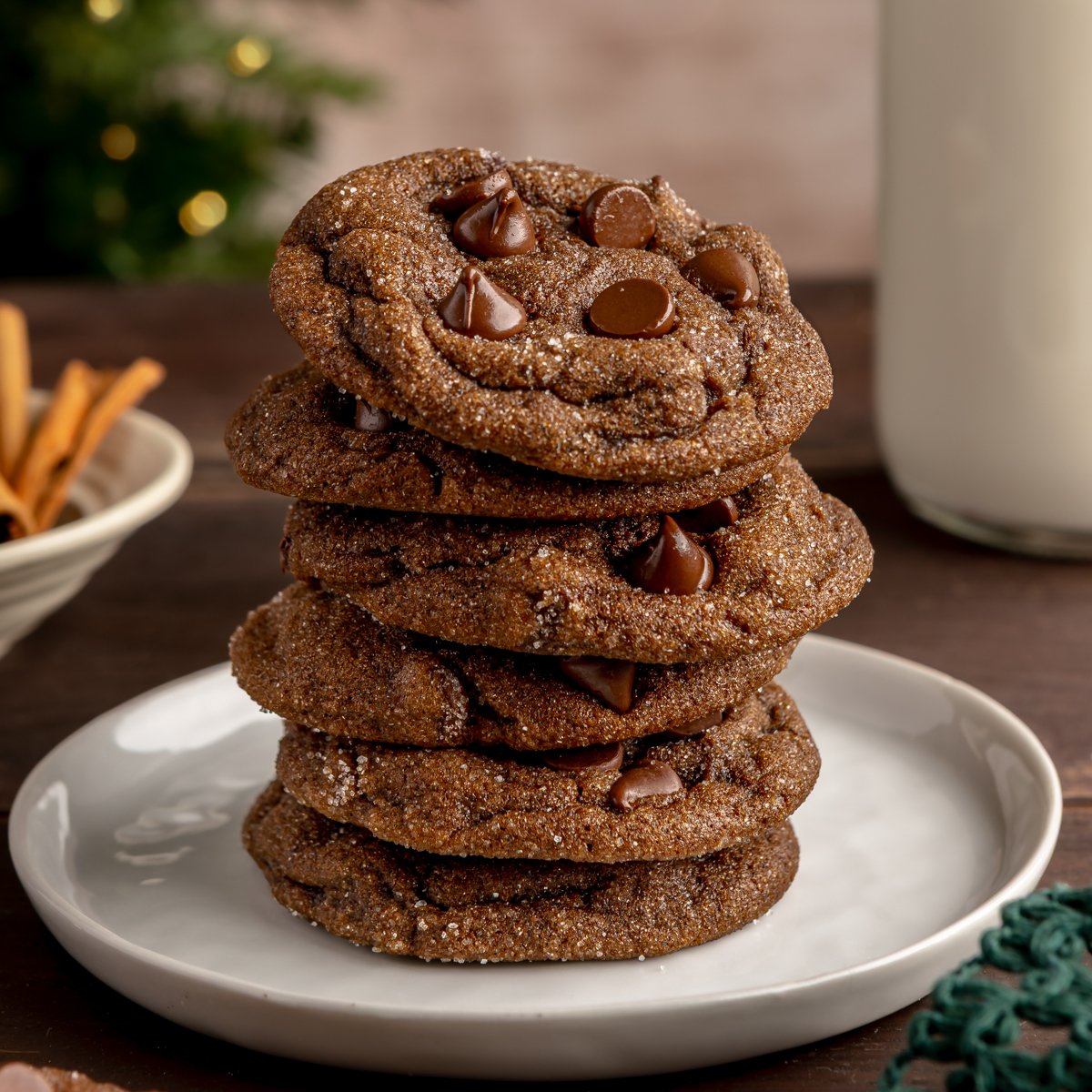
Seasonal Favorites
Cookie science
Want better cookies every time? Learn the science:
Cookie Basics:
How to Measure Flour
Oven 101: What You NEED to Know
How to Cream Butter and Sugar
Salted vs. Unsalted Butter
Baking Soda vs. Baking Powder
5 Tips for Picture-Perfect Cookies
Cookie Texture:
Ultimate Guide to Chocolate Chip Cookies
How to Bake THICK Cookies
Why You Should Chill Your Cookie Dough
How to Freeze Cookie Dough (and Bake from Frozen!)
3 Biggest Reasons Your Cookies Flop
Cookie Tools & Ingredients
The Best (and WORST) Baking Pans
The BEST Cookie Scoops (and Why to Use Them)
Cheap vs. Expensive Ingredients
Silpat vs. Parchment
Cookie Essentials
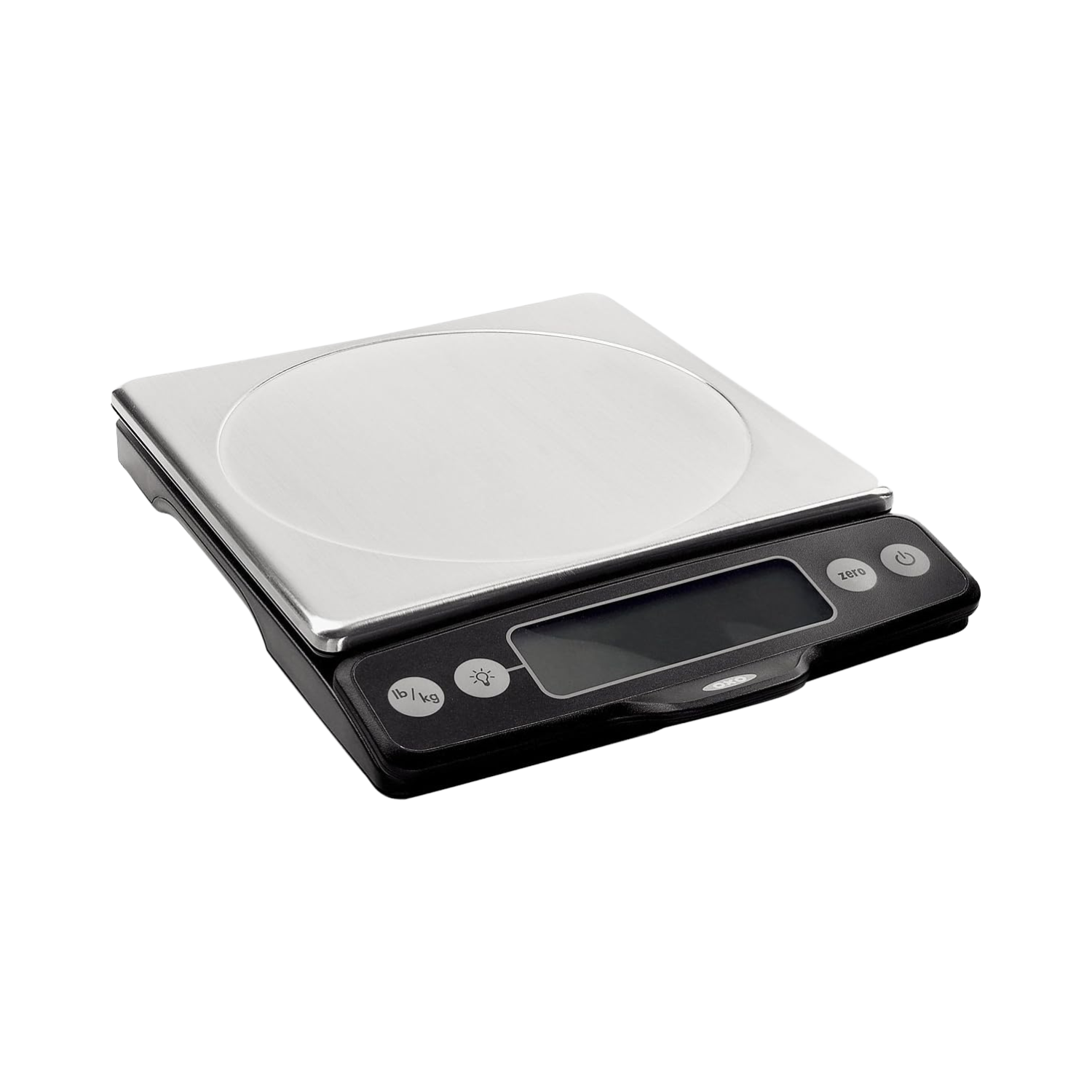
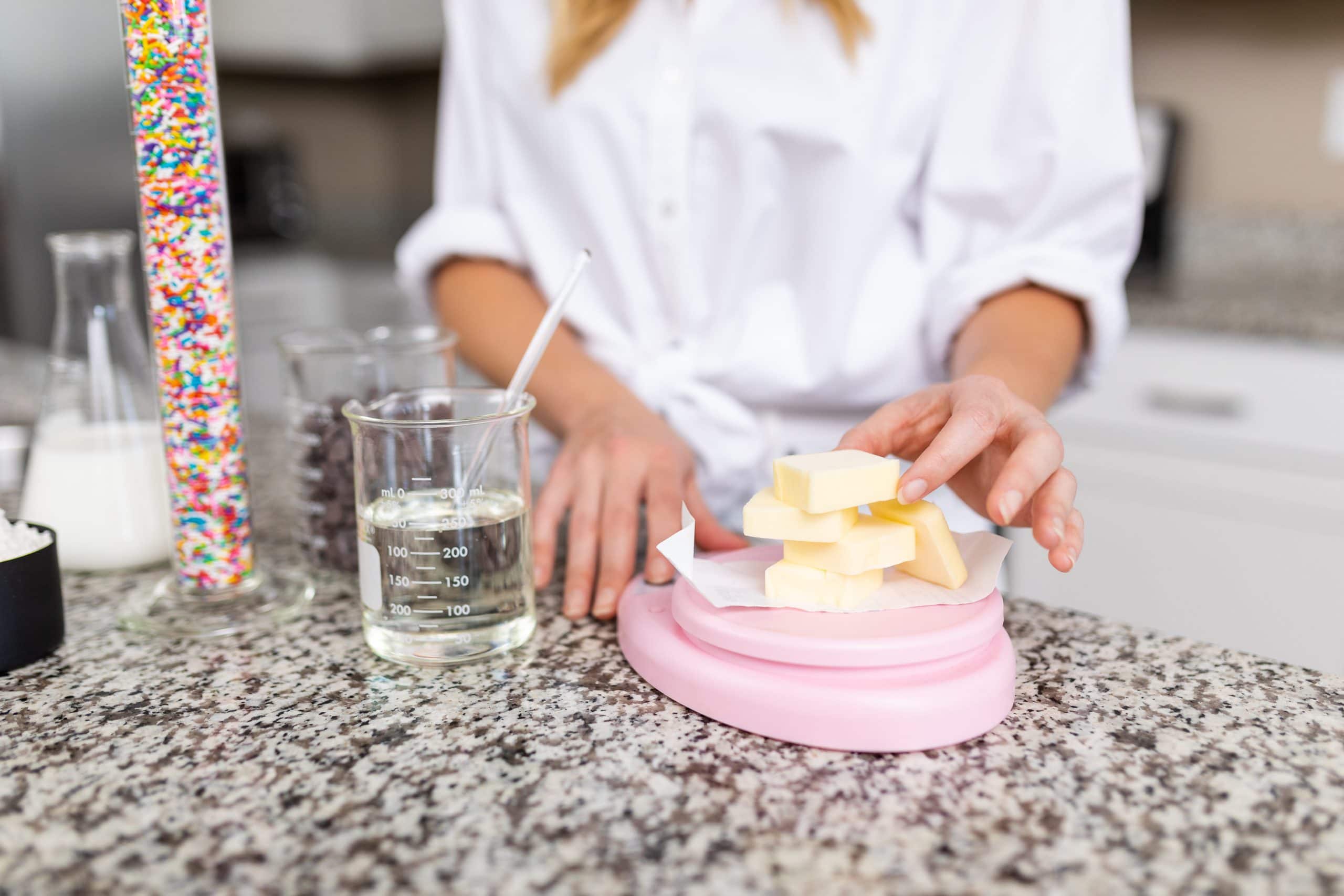
A digital kitchen scale is one of your best friends in the baker’s kitchen! I like this Escali one because it’s affordable and compact, though this OXO with a pull-out display is great for large bowls.
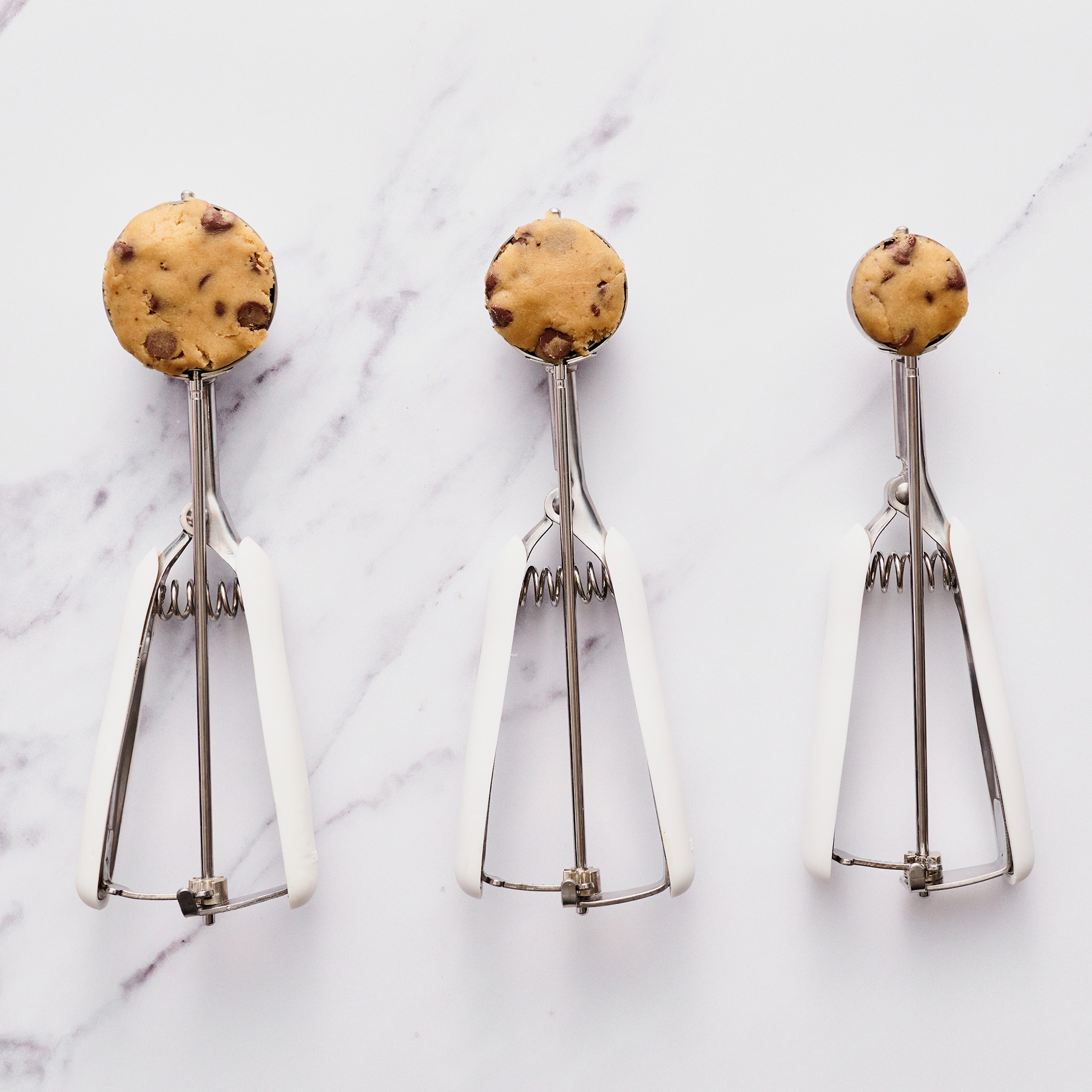
My most-used tool for cookie baking. All three sizes are great, but I use the medium and large scoops the most. Learn more about how (and why!) you should use a cookie scoop here.
* Small scoop – 1 tablespoon dough
* Medium scoop – 1 ½ tablespoons dough
* Large scoop – 3 tablespoons dough
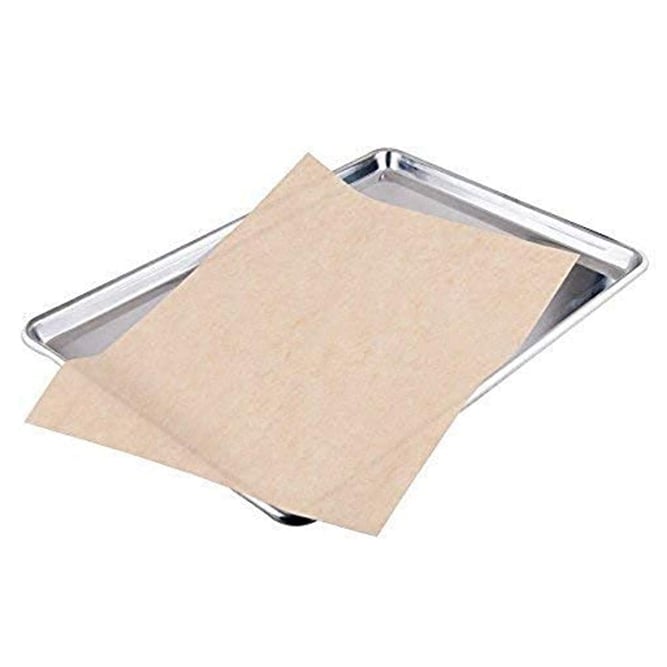
I’ve gotten so many questions about how I line my pans with parchment so perfectly, and the trick is… pre-cut parchment paper!
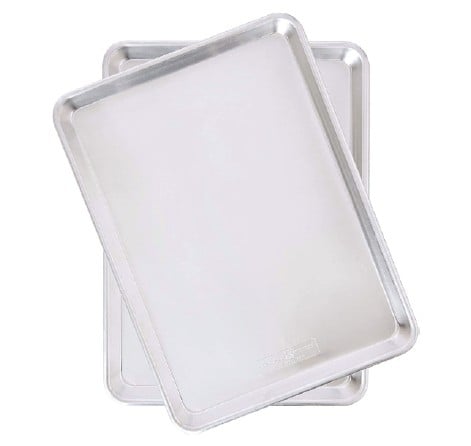
Unlined aluminum sheet pans create evenly baked, golden brown cookies. They’re the standard in professional kitchens. I love Nordic Ware, but Chicago Metallic is great, too! Learn which baking pans you should avoid here.
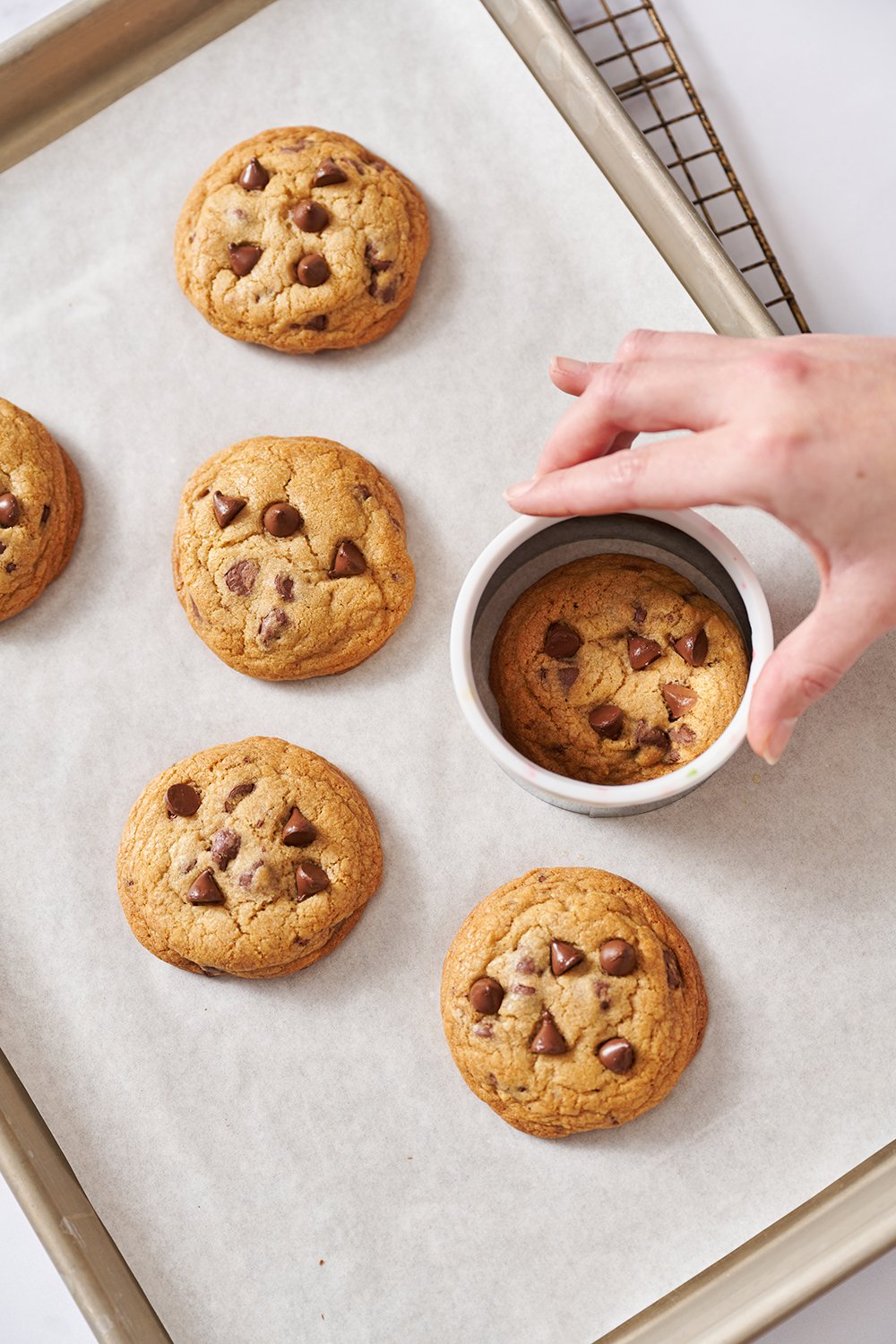
Perfect for cut-out cookies, but my favorite trick is re-shaping fresh-baked cookies. Place a cutter just larger than the cookie around it right out of the oven and gently swirl it back into a perfect circle.
Cookie Troubleshooter
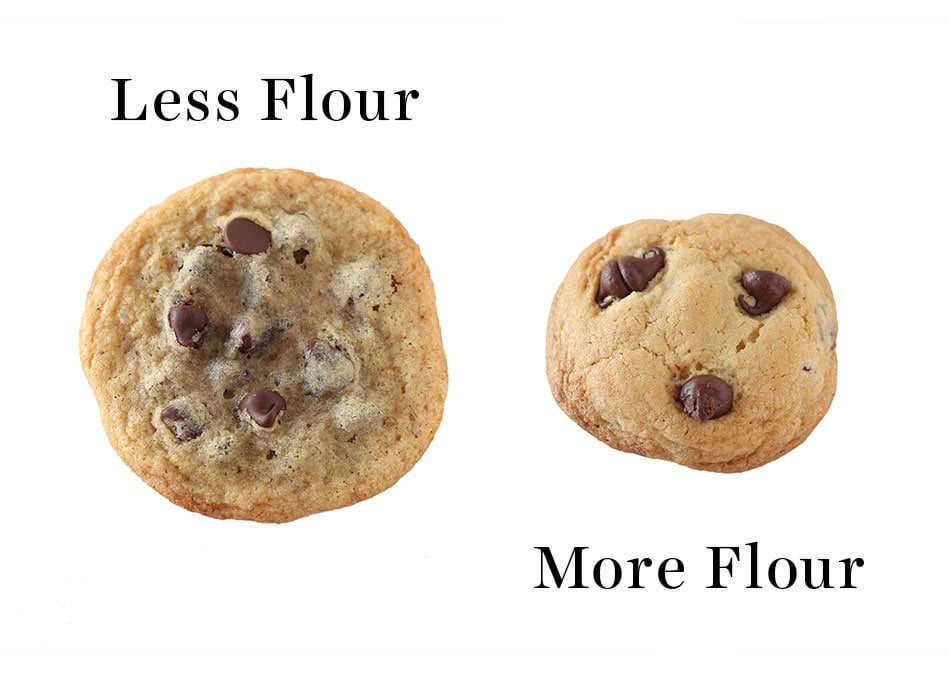
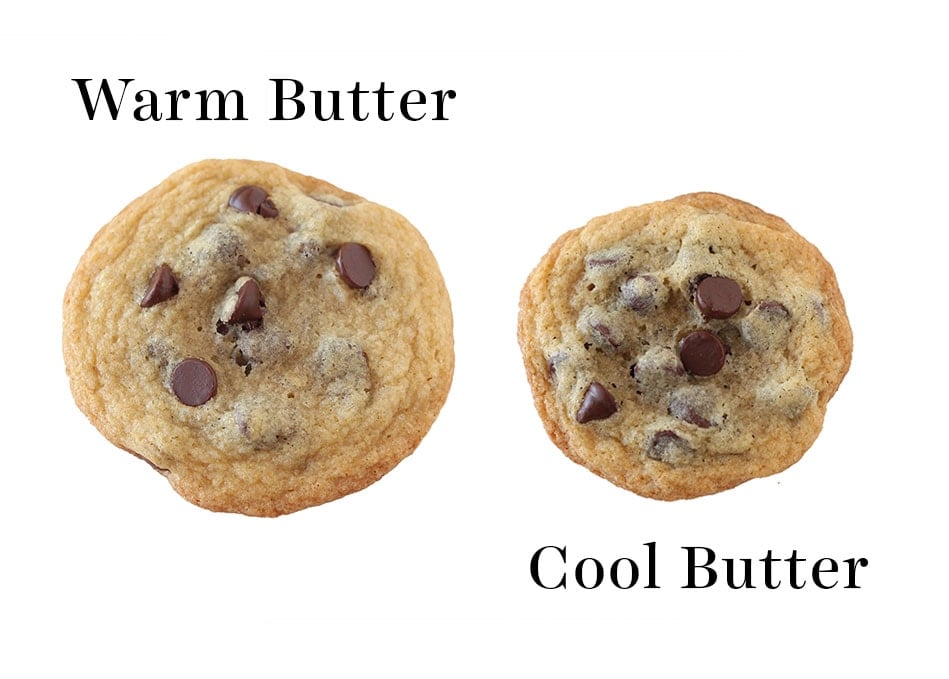
My cookie spread into flat puddles
My cookies are greasy
My cookies didn't spread at all
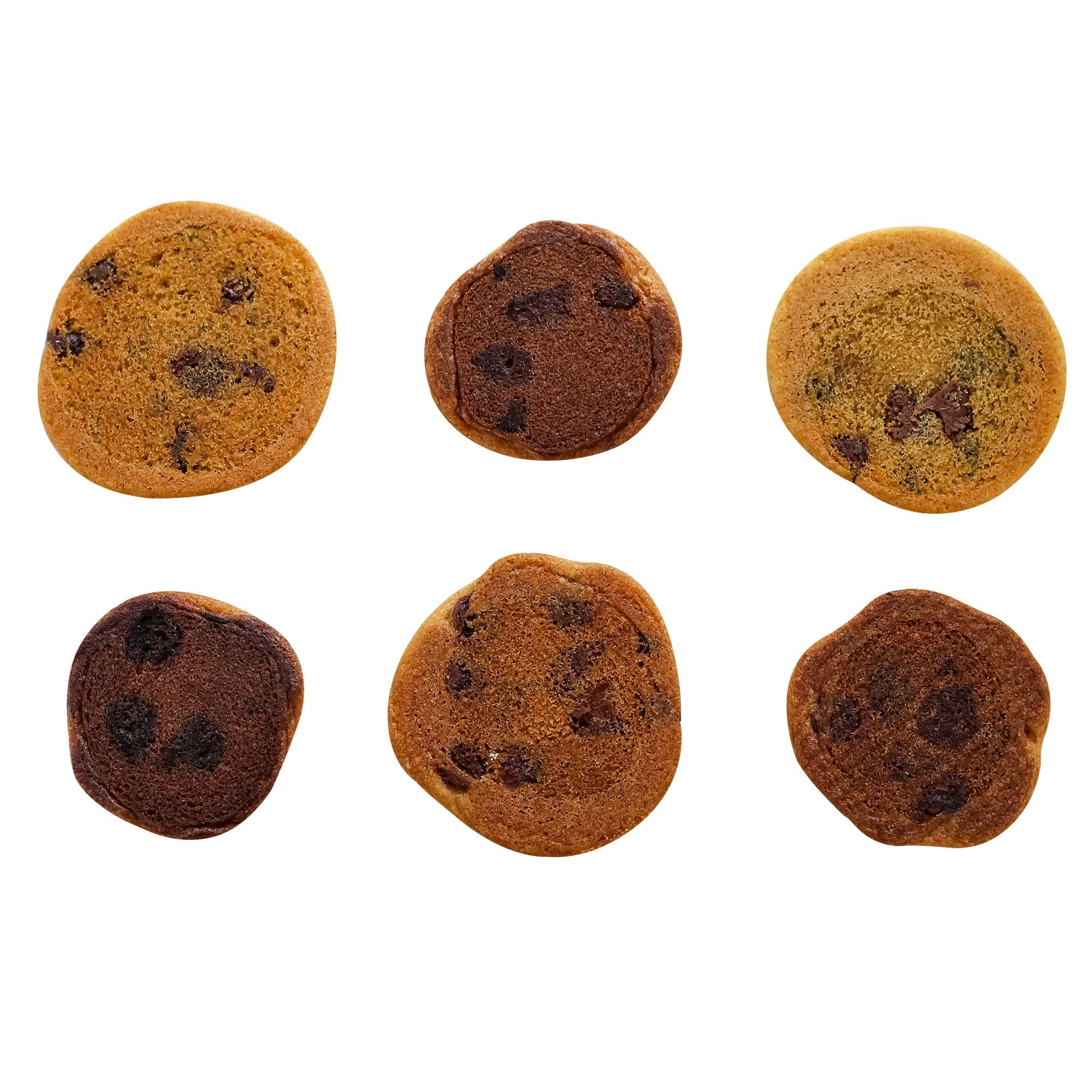
My cookies are burnt at the edges
My cookies become hard or stale after storing
Common Causes
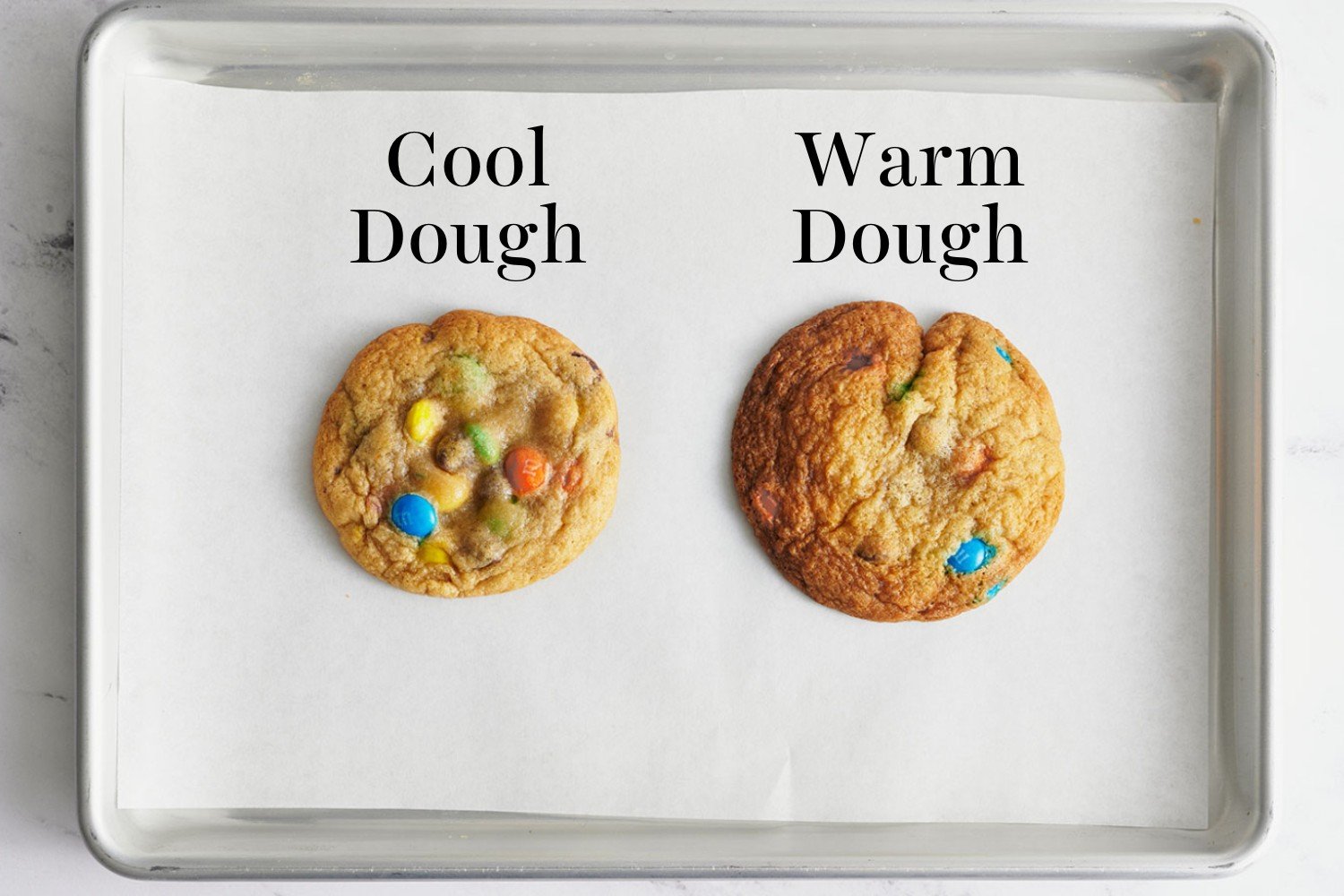
- Was the butter or dough too warm?
- The dough may have been too "wet."
- The oven temperature may have been too cold.
- Did you use nonstick cooking spray?
- Was the pan still hot from a previous batch?
How to Fix It
- To cream butter and sugar, the butter should be at a cool room temperature, about 67°F. Keep the butter and dough at this temperature until you bake the cookies to avoid spreading.
- Make sure to measure your flour correctly (ideally, by weighing it). If you're using unbleached flour (which is less absorbent) or live in a humid environment, you may need to add 1-3 tablespoons extra flour.
- If your oven is too cold, the cookie dough won't be able to set at the edges before it spreads too much. Thoroughly preheat your oven for at least 10 minutes before baking. Better yet, check your oven's accuracy with an oven thermometer.
- Never use nonstick spray for baking cookies, it causes excess spreading. I prefer to bake on parchment paper.
- Only bake on room temperature pans.
Common Causes
- Generic or lower-quality brand of butter.
- Was the butter too warm?
- Using melted butter instead of creaming.
How to Fix It
- Try using a different brand of butter, such as Challenge or Land O'Lakes.
- To cream butter and sugar, the butter should be at a cool room temperature, about 67°F. Keep the butter and dough at this temperature until you bake the cookies to avoid a greasy texture.
- If the recipe calls for creamed butter & sugar, using melted instead may create a greasy texture. Follow the recipe instructions.
Common Causes
- Was the flour over-measured?
- Was a dark nonstick baking pan used?
- Was the dough too cold or frozen?
- Was the sugar or fat reduced?
How to Fix It
- Too much flour will reduce spreading. This is surprisingly easy to do by accident when measuring by volume with measuring cups. I strongly suggest switching to a digital scale and measuring by weight!
- Dark nonstick pans should be avoiding in baking. They heat more aggressively and can set or burn edges too quickly, reducing desired spread in cookies.
- If the dough was cold or frozen, you will likely need to extend the baking time to encourage proper spreading. To bake from frozen, drop the baking temperature by about 25°F and add 1-3 minutes to the baking time.
- Sugar and fat are used in precise ratios to control spread. Altering one or the other will affect texture, often negatively.
Common Causes
- Using a dark colored nonstick baking pan.
- Baking on the bottom oven rack.
How to Fix It
- I recommend only baking cookies on unlined aluminum baking pans, like Nordicware or Chicago Metallic. Dark nonstick pans heat more aggressively and are likely to burn your cookie bottoms or edges. If that's all you have, try reducing the oven temperature slightly, as well as the baking time.
- Always bake cookies on the middle oven rack for best results.
Common Causes
- Improper storage.
How to Fix It
- Make sure your cookies are stored in an airtight container at room temperature, not in the fridge.
- Add a flour tortilla, apple wedge, or piece of white bread to the container to help the cookies keep their moisture.
Click to explore the Full baking troubleshooter
Recommended Reading
If you're looking to enhance your knowledge of cookies and the science of baking, these books are great ones to add to your shelf:
- The Ultimate Cookie Handbook
- Science and Cooking: Physics Meets Food, From Homemade to Haute Cuisine
- BakeWise: The Hows and Whys of Successful Baking with Over 200 Magnificent Recipes
- How Baking Works: Exploring the Fundamentals of Baking Science, 3rd Edition
- BraveTart: Iconic American Desserts
- The Flavor Bible
- A Good Bake: The Art and Science of Making Perfect Pastries, Cakes, Cookies, Pies, and Breads at Home
- The King Arthur Flour Cookie Companion: The Essential Cookie Companion Cookbook
- The Elements of Baking


This is such a helpful chocolate chip cookie guide! I really like how it covers so many different textures and flavors, along with practical baking tips and troubleshooting advice. It makes finding the perfect cookie recipe much easier.
Tessa, your compilation of excellent foolproof recipes, cookie-baking advice, and recommended tools, is a true gift to all of us. Every baker from novice to experienced can benefit from this cookie guide. This effort must have taken sooooo much time to pull together. Thank you so much!
Thanks so much, Becky! That means so much coming from you 🙂 It was definitely a labor of love (especially from Tessa for testing all those cookies!), and we hope it’s a helpful resource for anyone who reads it. We appreciate you leaving such a thoughtful comment!